

A typical Dutch sound
Zuid-Scharwoude (NL)
Kooger Kerk
Van Dam 1881, IIP/23
Information
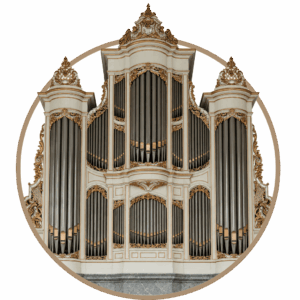
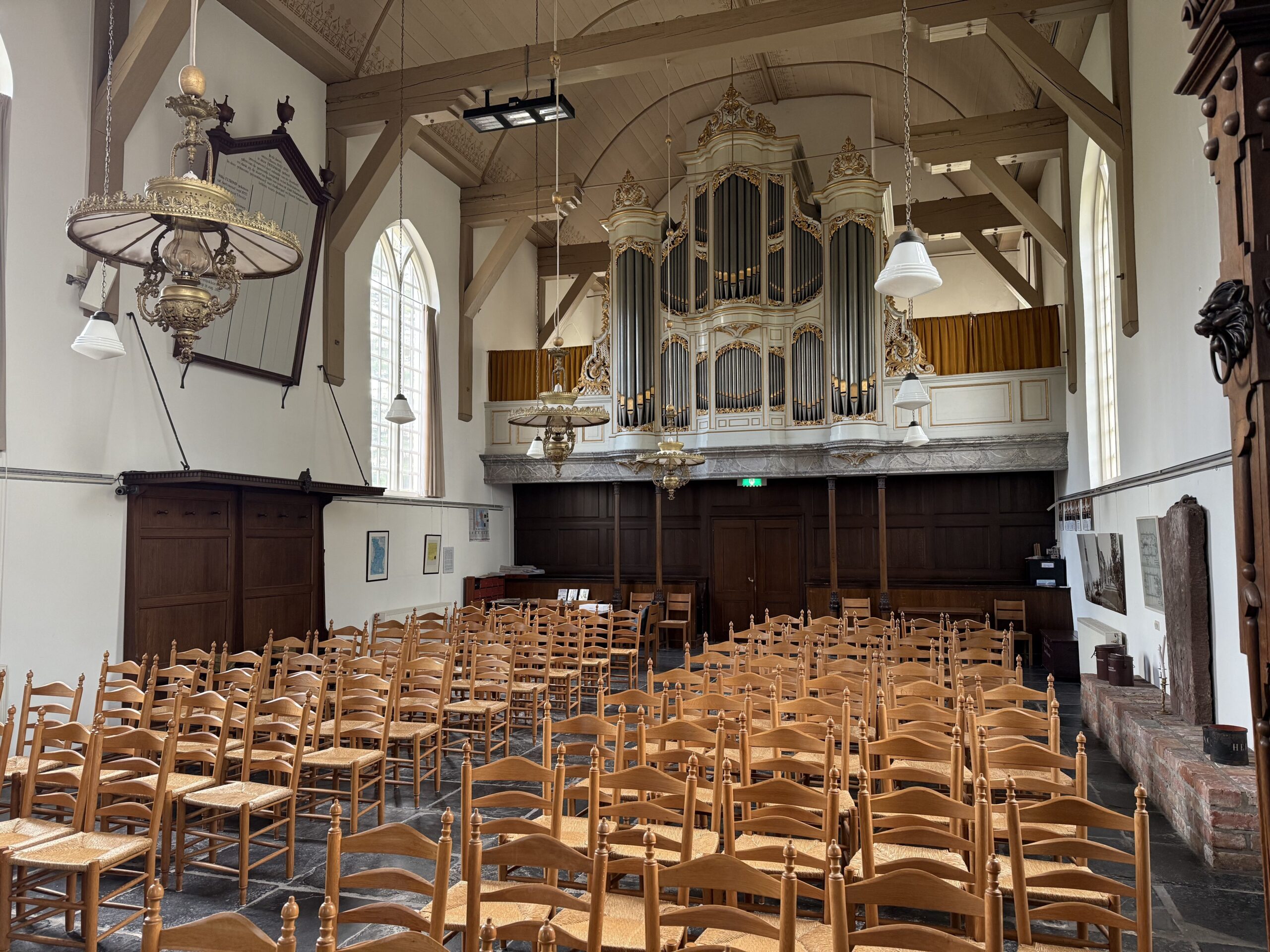
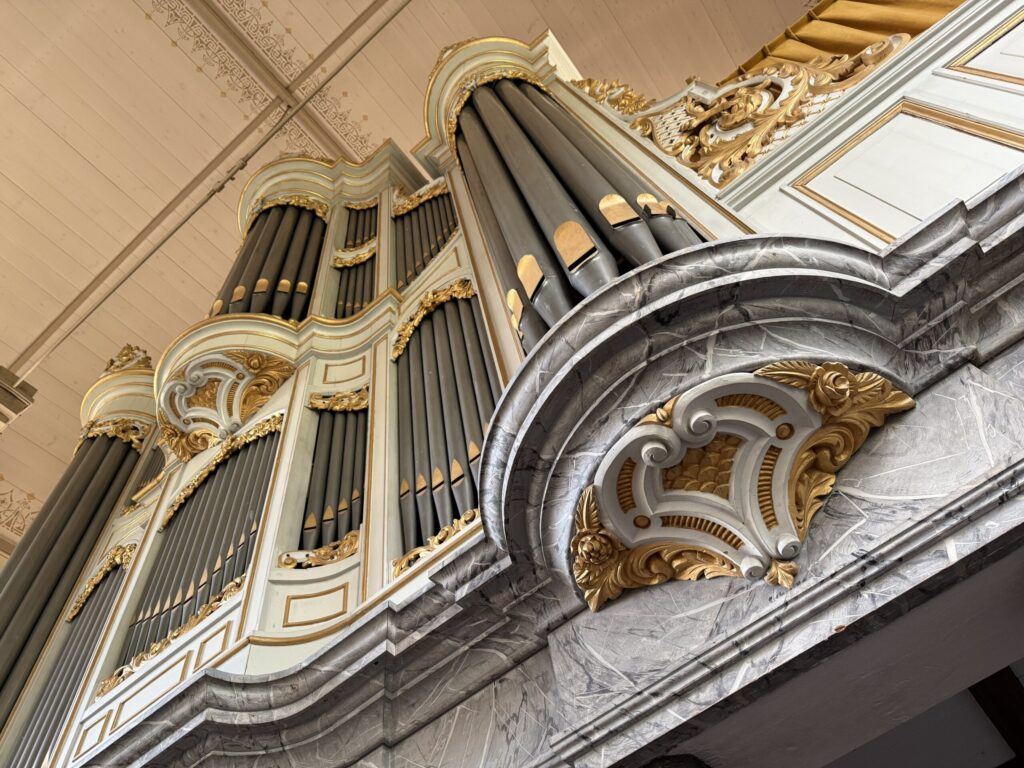
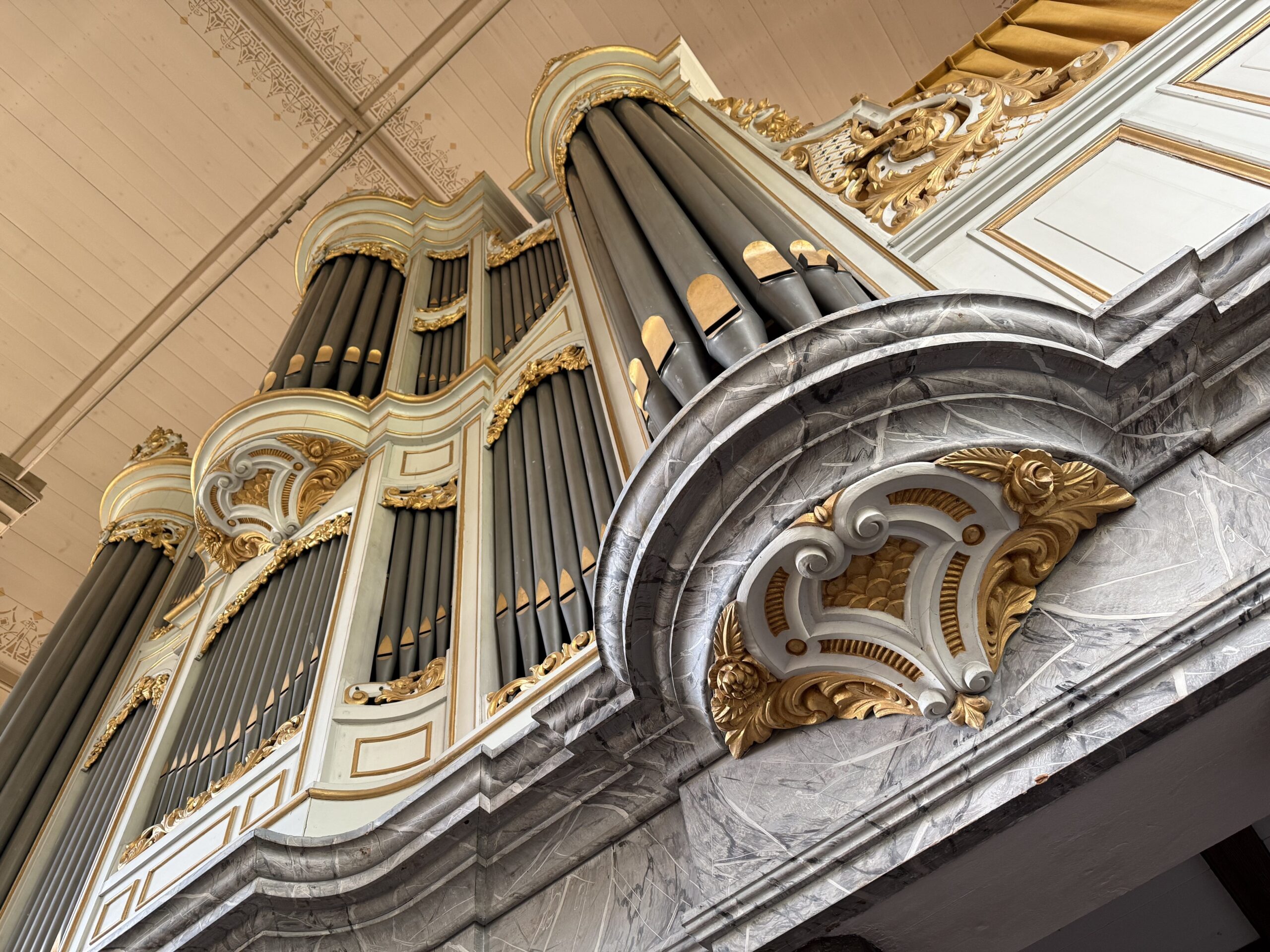
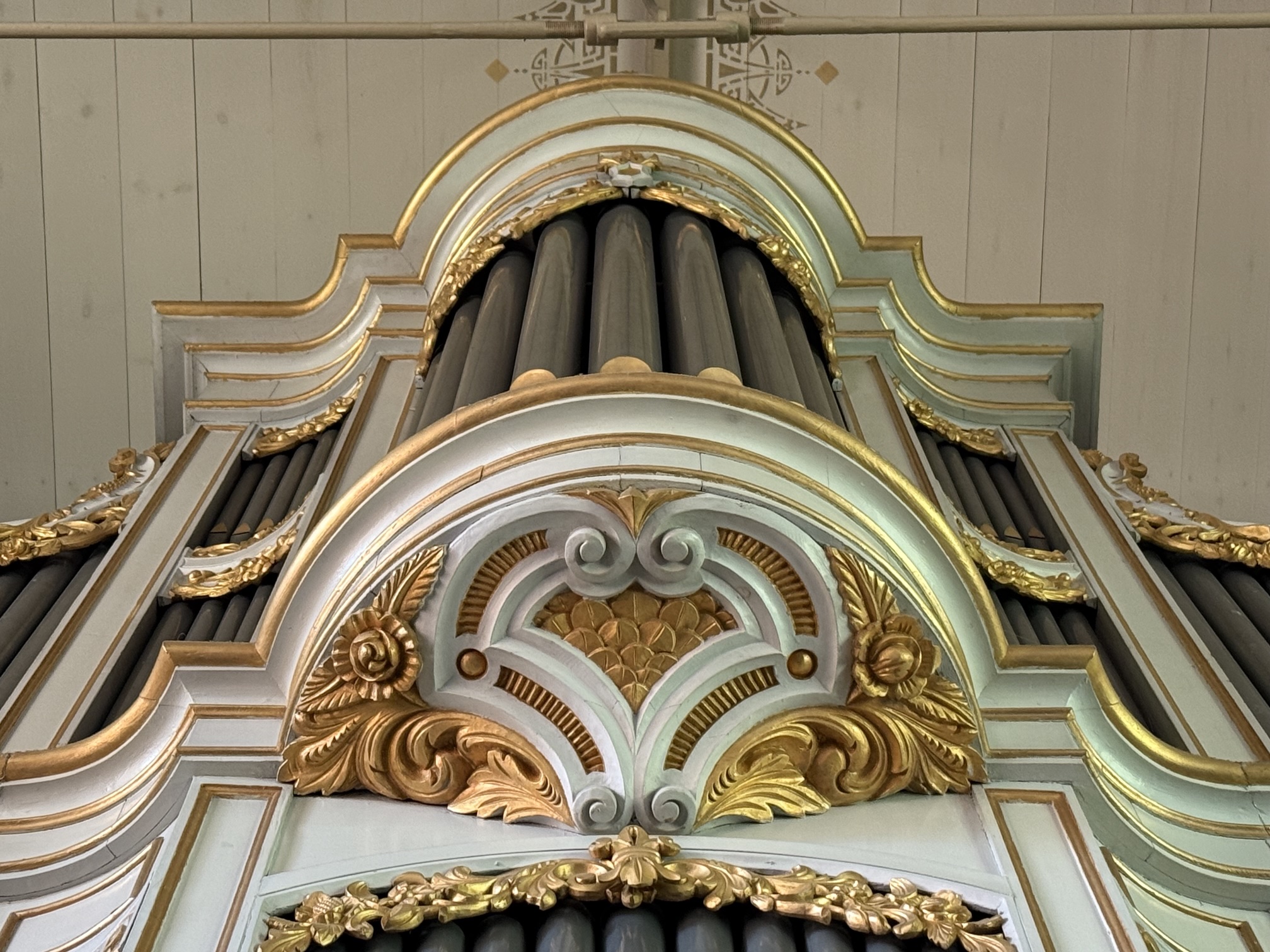
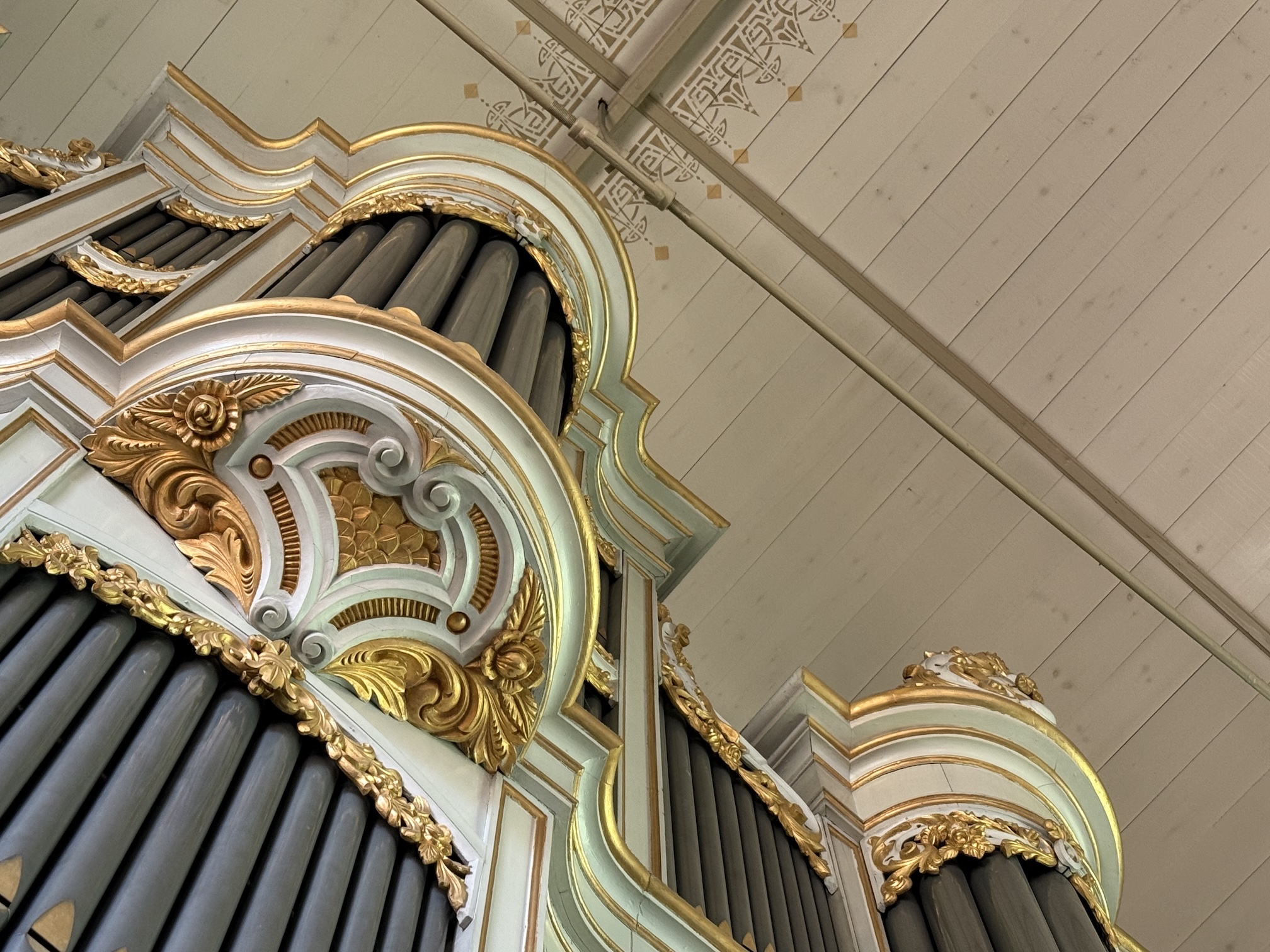
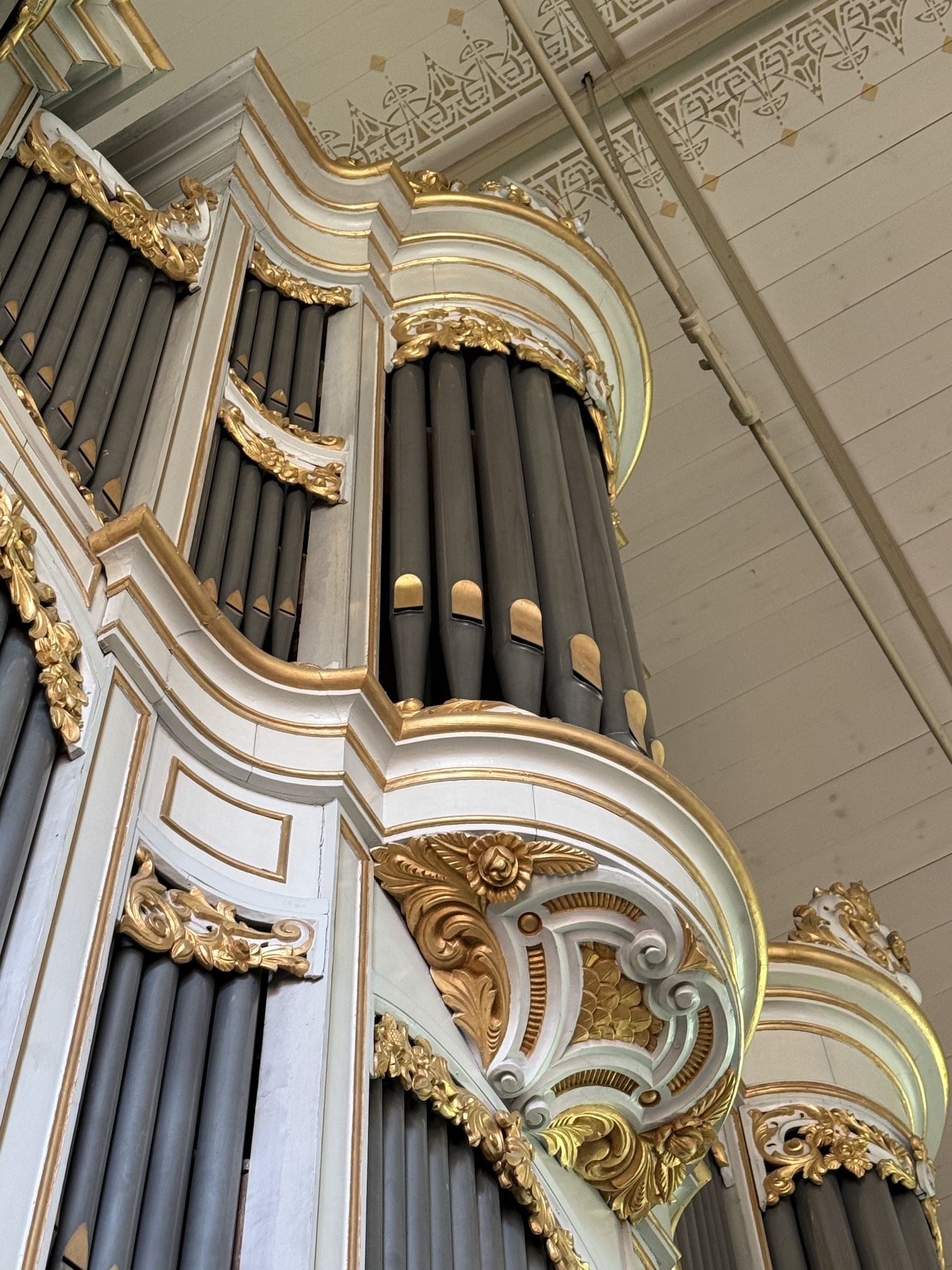
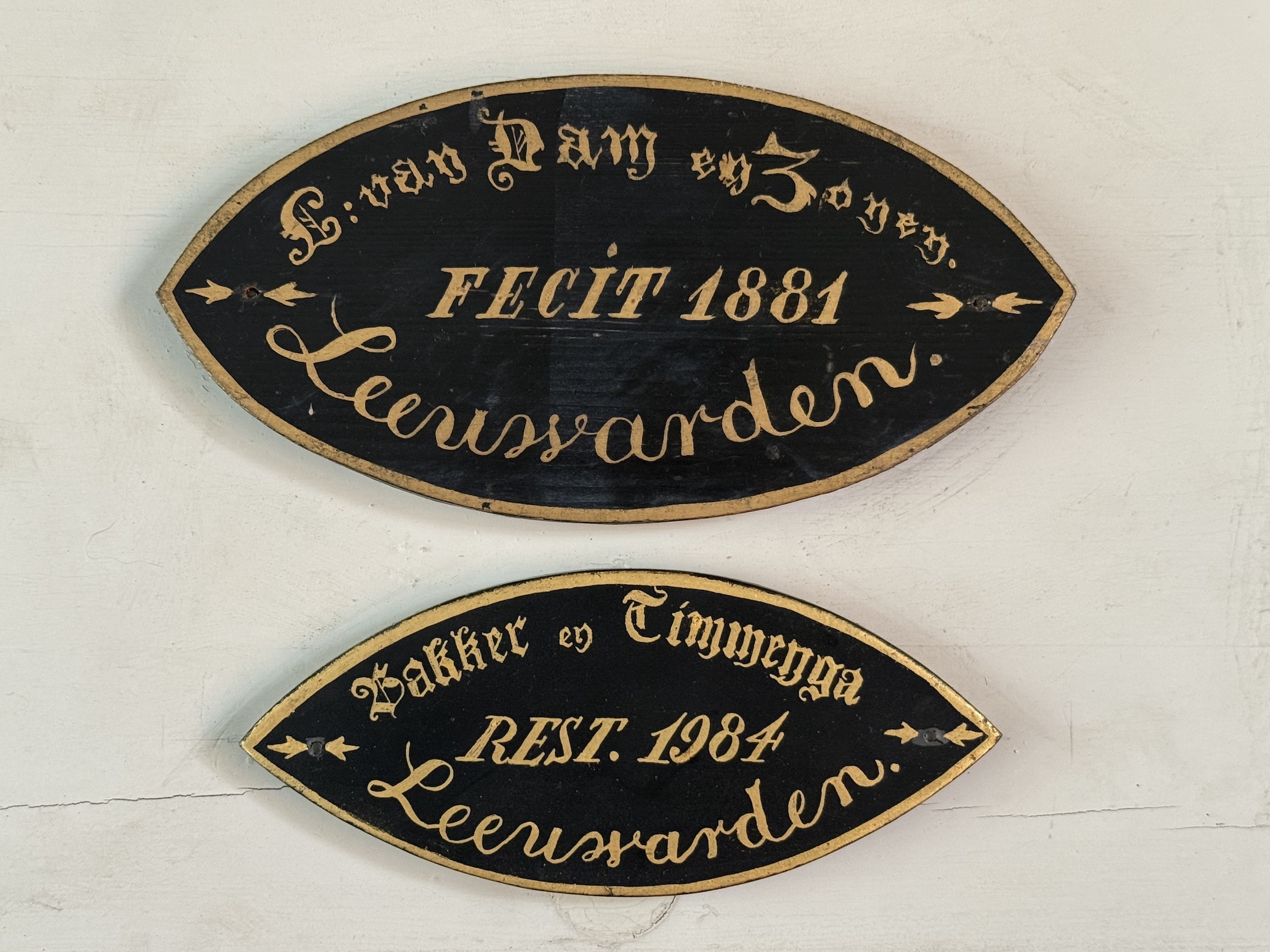
The Van Dam organ of 1881 in the Kooger Kerk in Zuid-Scharwoude is one of the largest instruments built by the organ-building firm L. van Dam en Zonen. This well-known Frisian family of organ builders began its work in 1777. The business remained in the family for four generations. The second generation consisted of two sons of the founder: Luitjen Jacob and Jacob. After 1846, the firm was continued by three sons of Luitjen Jacob: Lambertus (1823-1904), Pieter (1824-1889), and Jacob (1828-1907). They built the organ for the Kooger Kerk in 1881.
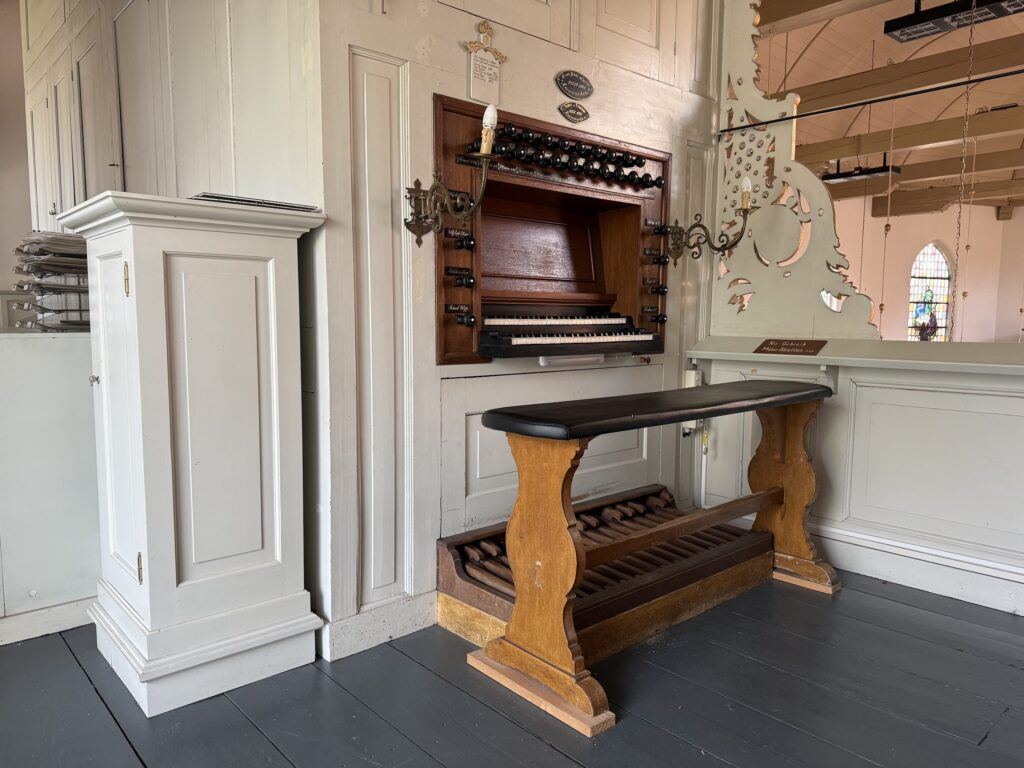
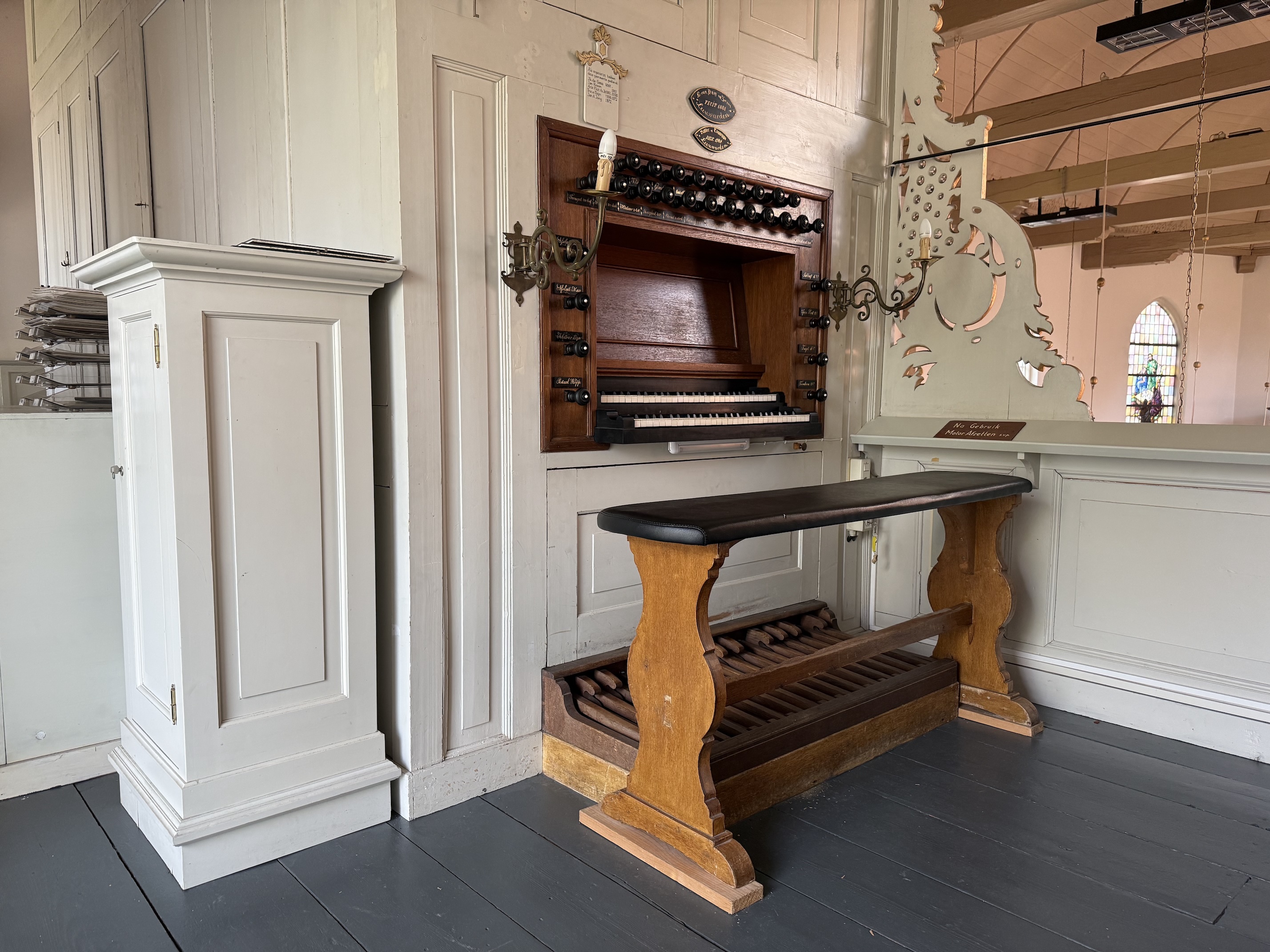
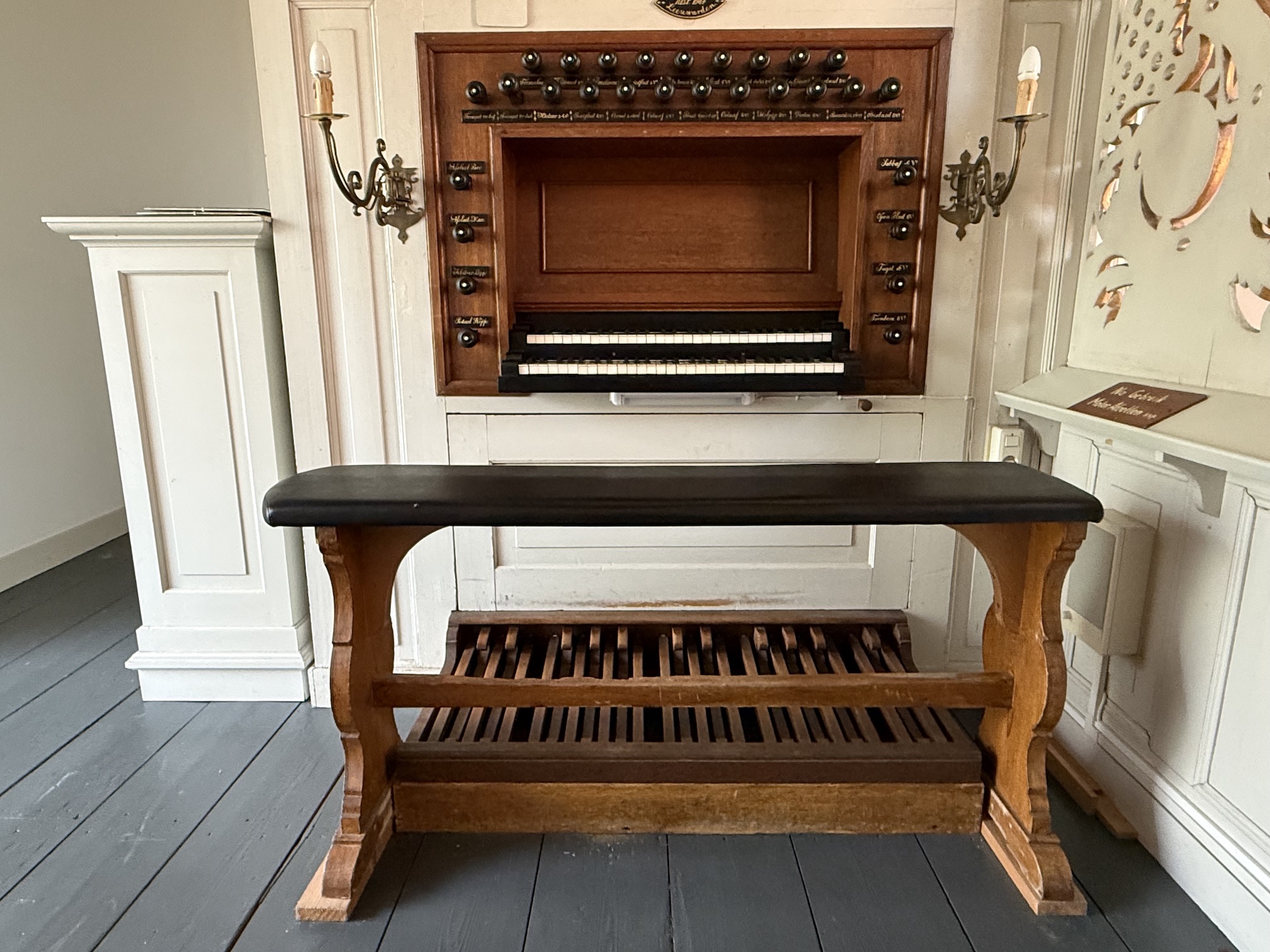
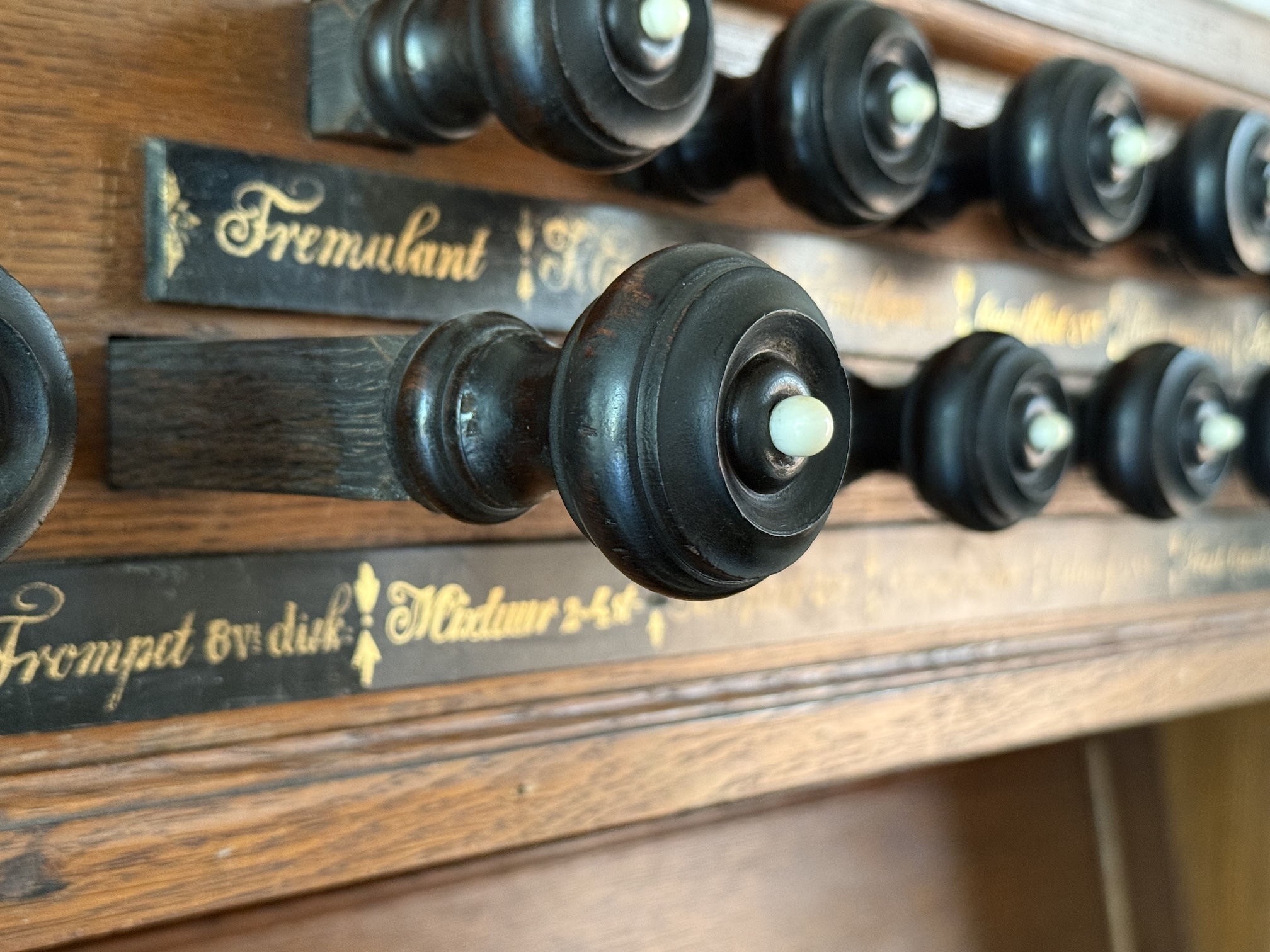
The instrument was built with two manuals and an attached pedal. Provision was already made for a later independent pedal division, with ample space reserved for it. The builders also allowed for the later addition of a Mixture, indicated on the stop knobs as “Muëtte 3-4 st”, and a Quint Flute on the upper manual, indicated as “Muëtte 3 vt”.
In 1912, the firm H.W. Flentrop of Zaandam replaced the Salicet 4 ft on the upper manual with a new factory-made Voix céleste 8 ft from tenor c. In 1932, the same firm used the reserved space to install a pneumatic transmission chest. The pipes C-d’ of the manual Bourdon 16 ft were placed on it, allowing them to be played separately from the pedal.
In 1965, the organ received an electric blower for the first time. It came from the Dutch Reformed church in Broek op Langedijk. This made the organ blower unnecessary, although the existing hand-pumping installation remained intact.
The most recent major restoration and enlargement took place in 1983/1984 and was carried out by Bakker & Timmenga of Leeuwarden, with advice from Jan Jongepier. During this work, the windchests were restored and an independent pedal division was added on a newly made chest. The pipework for this pedal division came from four existing stops from the demolished Van Dam organ of the Oosterkerk in Leiden, built in 1901. The Salicet, which was restored to the place of the Voix céleste, also came from the Leiden organ.
Several changes were also made to the wind system, and the pneumatic transmission was removed. To preserve the feeders of the hand-pumping installation, they were turned inward. The reserved spaces for the Mixture and the Quint Flute were filled as well, using dummy front pipe material from the central tower of the Leiden organ.
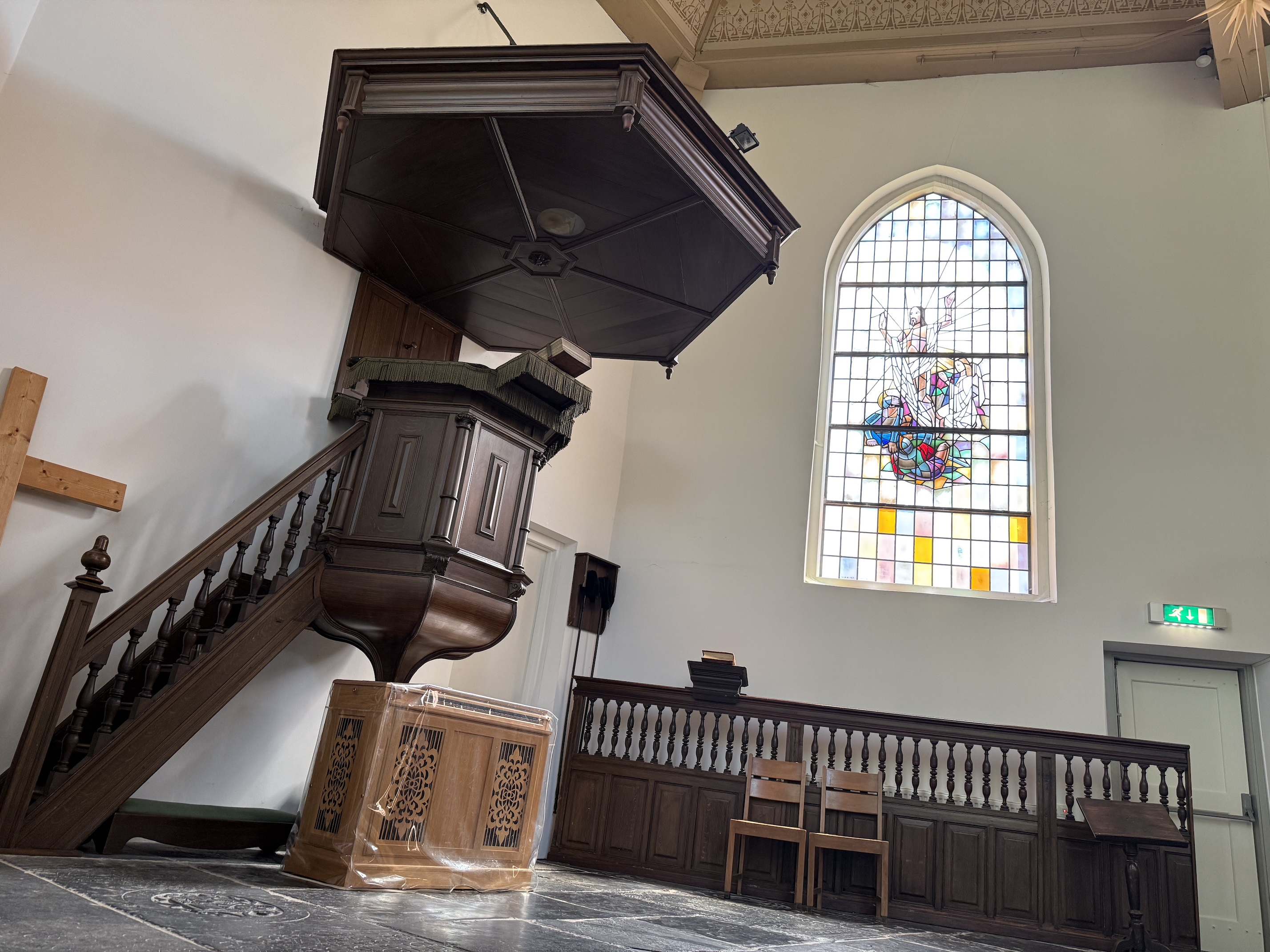
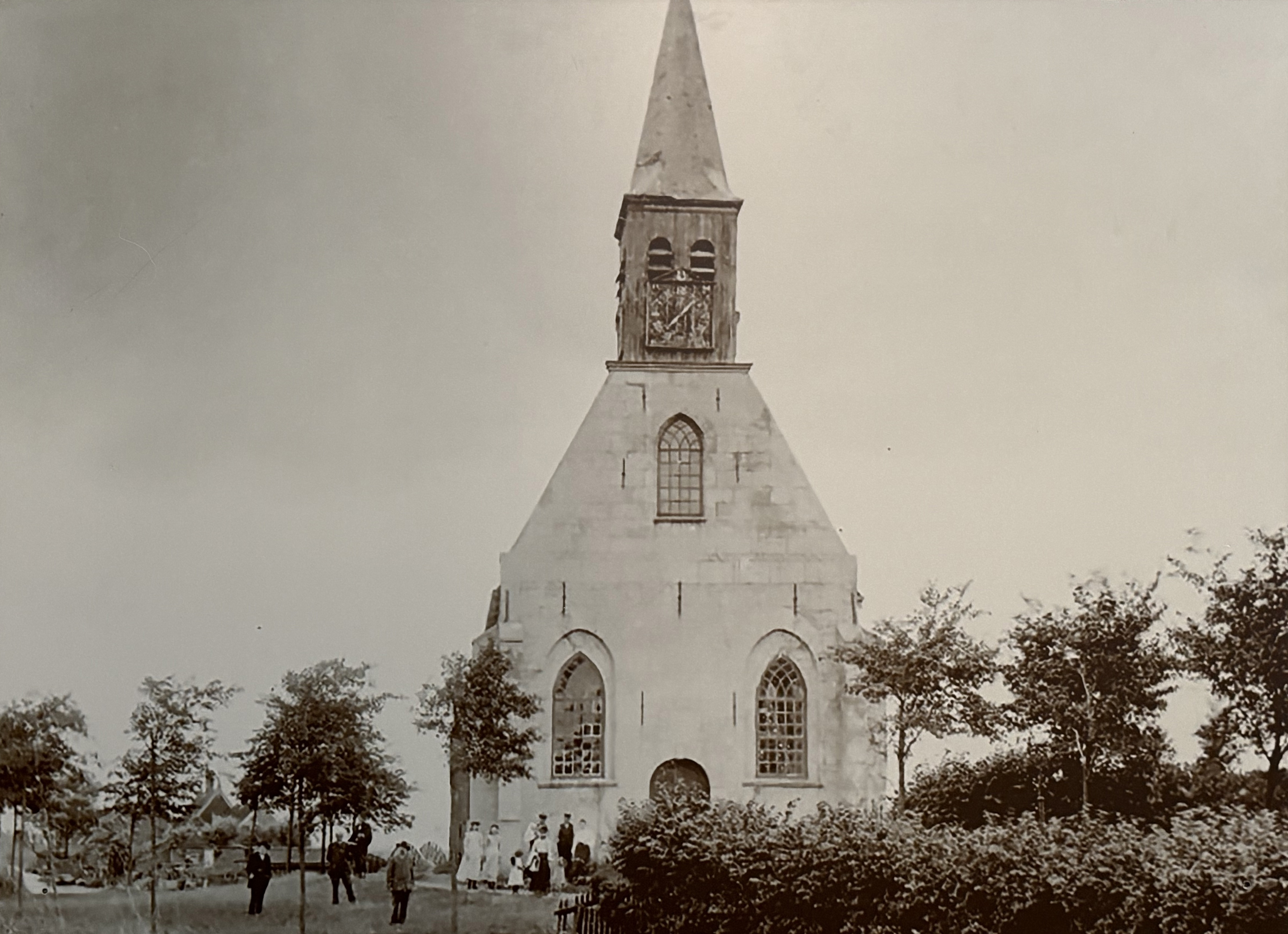
During the restoration of the church, the organ was moved from the choir on the east side to the west side of the building, in front of the tower. The church has a very fine acoustic, making it particularly suitable for concerts.
Hoofdwerk (C-g”’)
- Prestant 8 vt
- Bourdon 16 vt
- Violon 8 vt
- Holpijp 8 vt
- Octaaf 4 vt
- Prest. Quint 3 vt
- Octaaf 2 vt
- Cornet 3 st (disc)
- Roerfluit 4 vt
- Mixtuur 2-4 st
- Trompet 8 vt (b/d)
- Klavier koppel
Bovenwerk (C-g”’)
- Prestant 8 vt
- Viool de Gambe 8 vt
- Fluit dolce 8 vt
- Salicet 4 vt
- Flute trave 4 vt
- Quint fluit 3 vt
- Gemshoorn 2 vt
- Klarinet 8 vt
- Tremulant
Pedaal (C-f’)
- Subbas 16 vt
- Open fluit 8 vt
- Fagot 16 vt
- Trombone 8 vt
- Pedaal koppel
The original pedal compass is 27 keys (C–d’), expandable to 30 keys (C–f’) with the Premium subscription.