

Pure Bätz
Utrecht (NL)
Domkerk
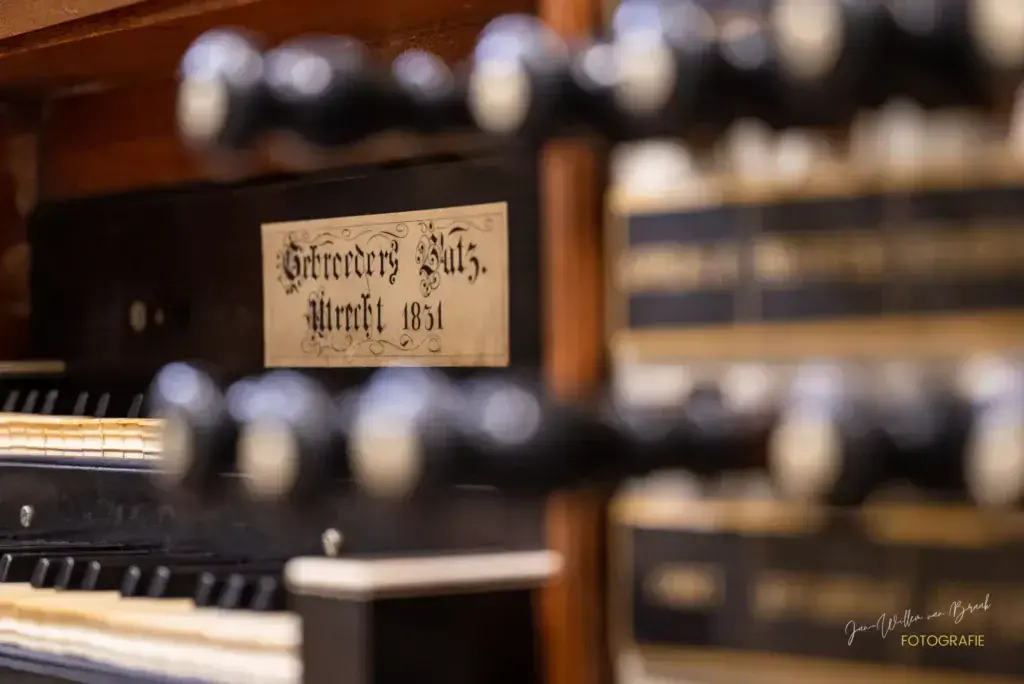
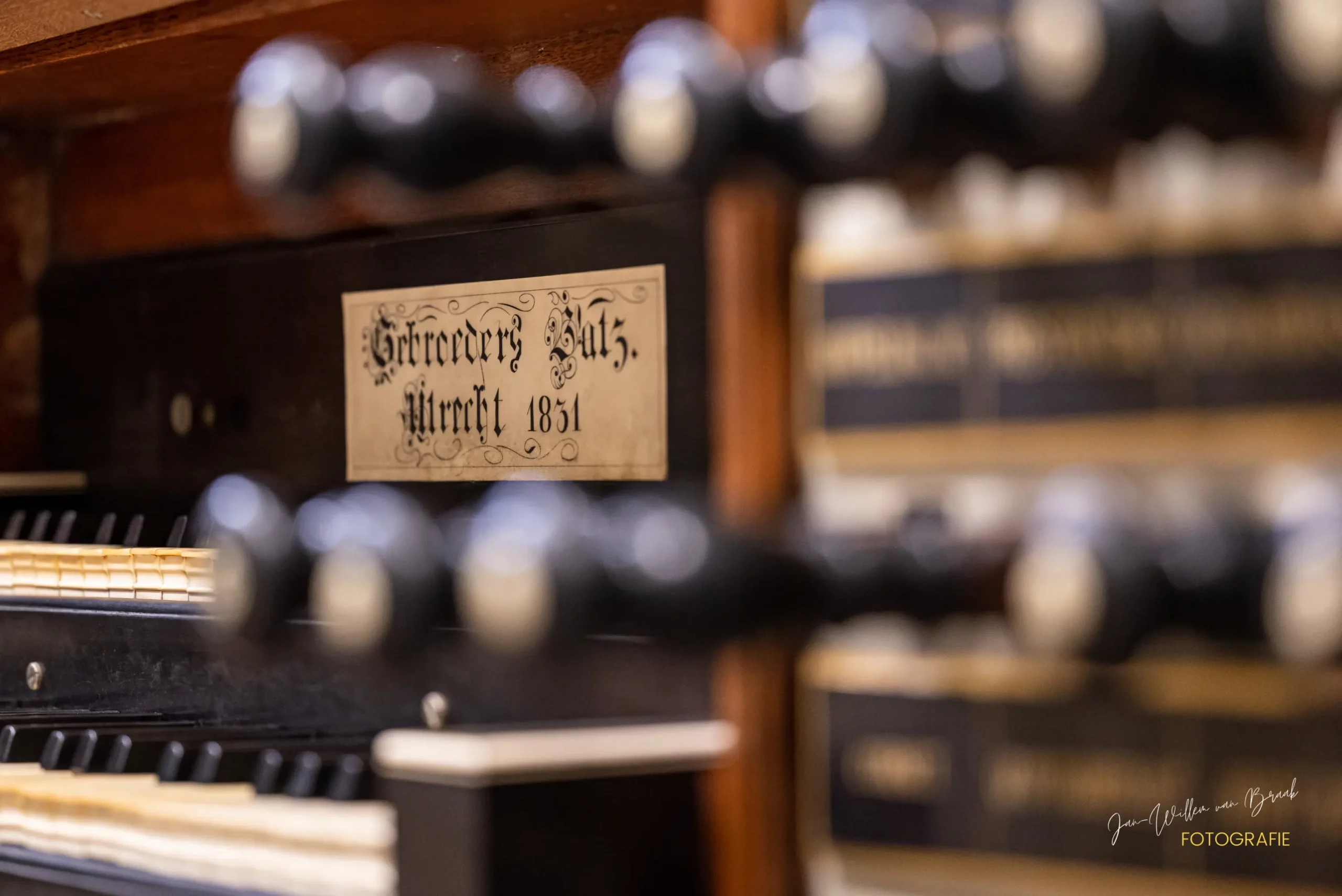
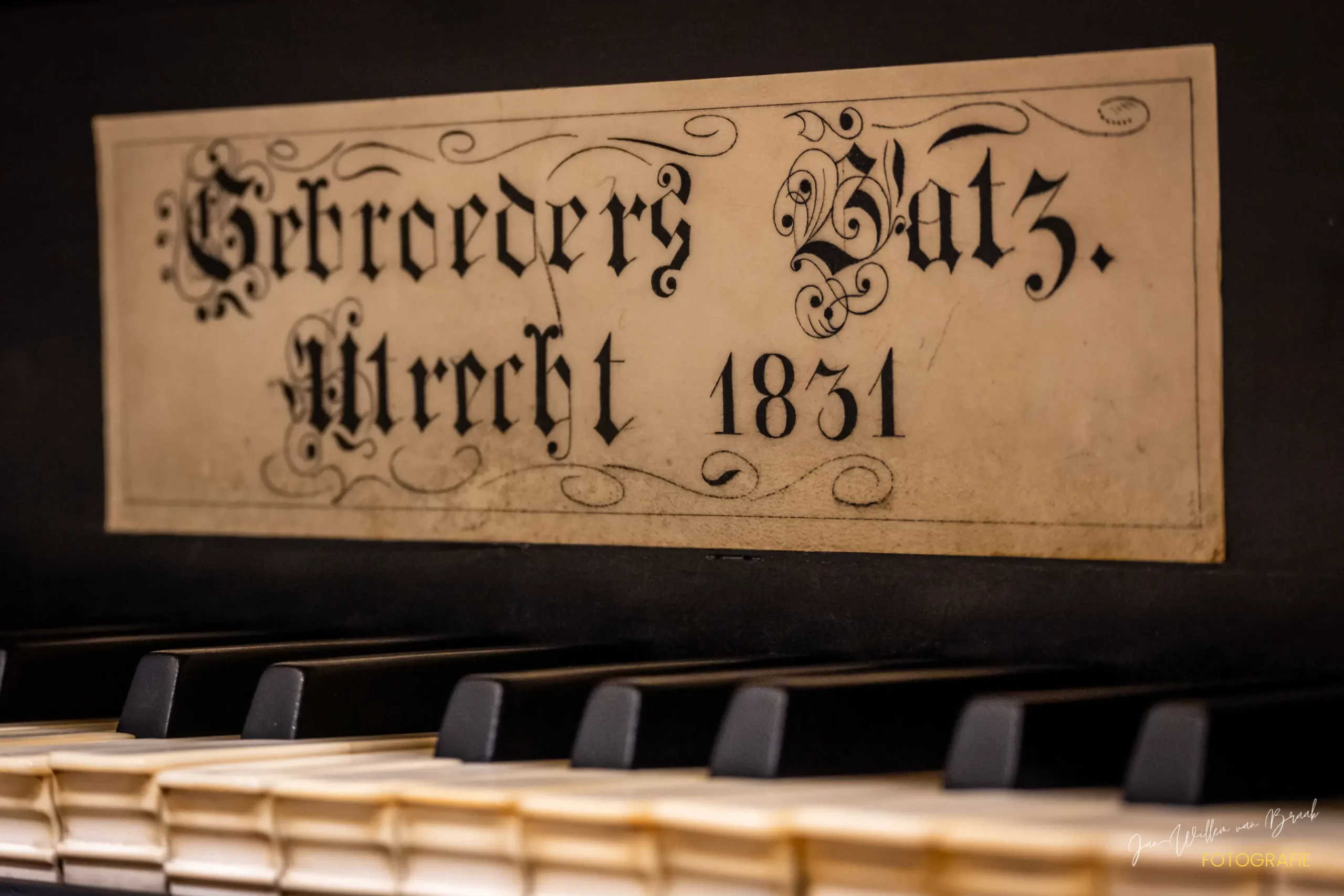
Bätz 1831, IIIP/50
Information
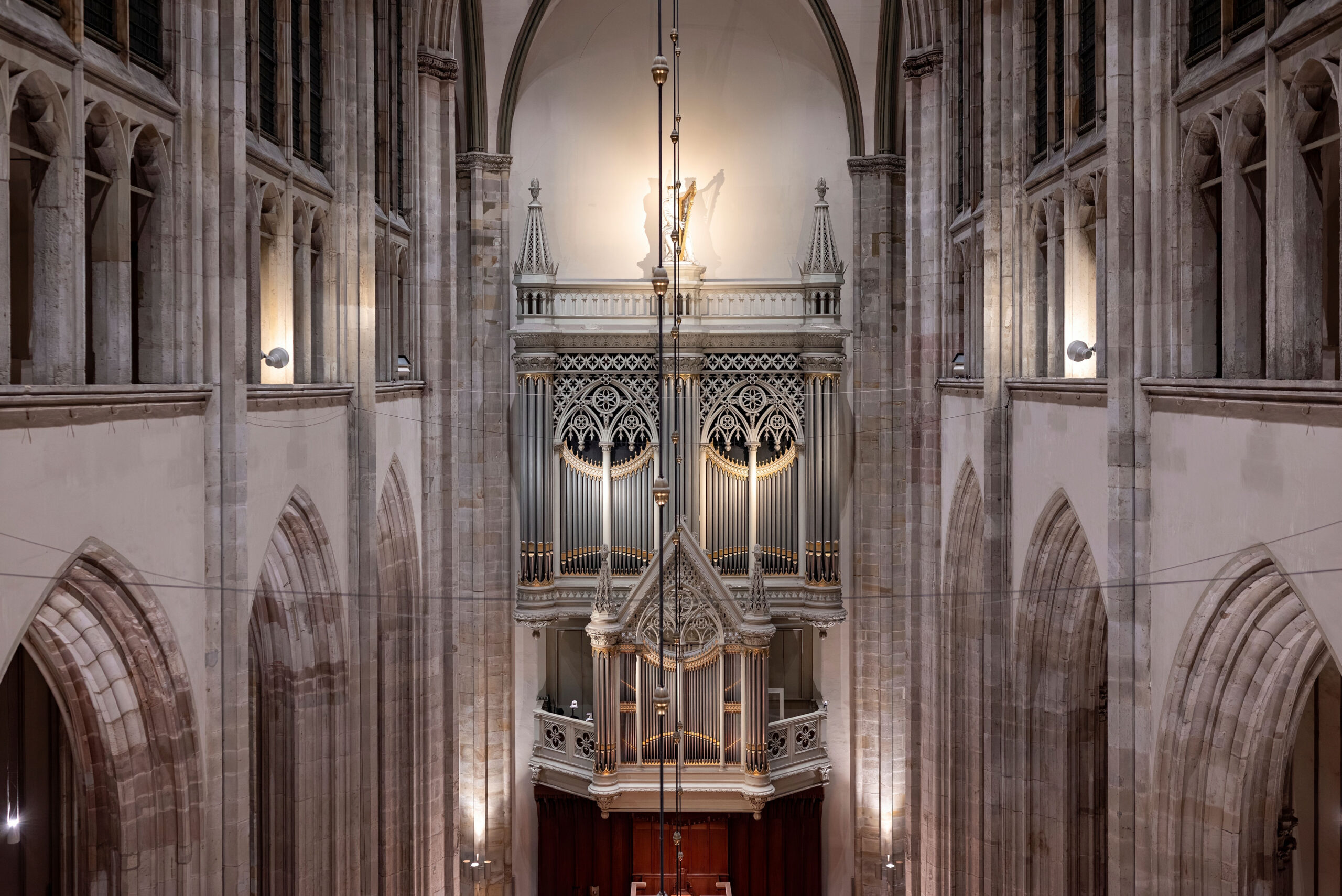
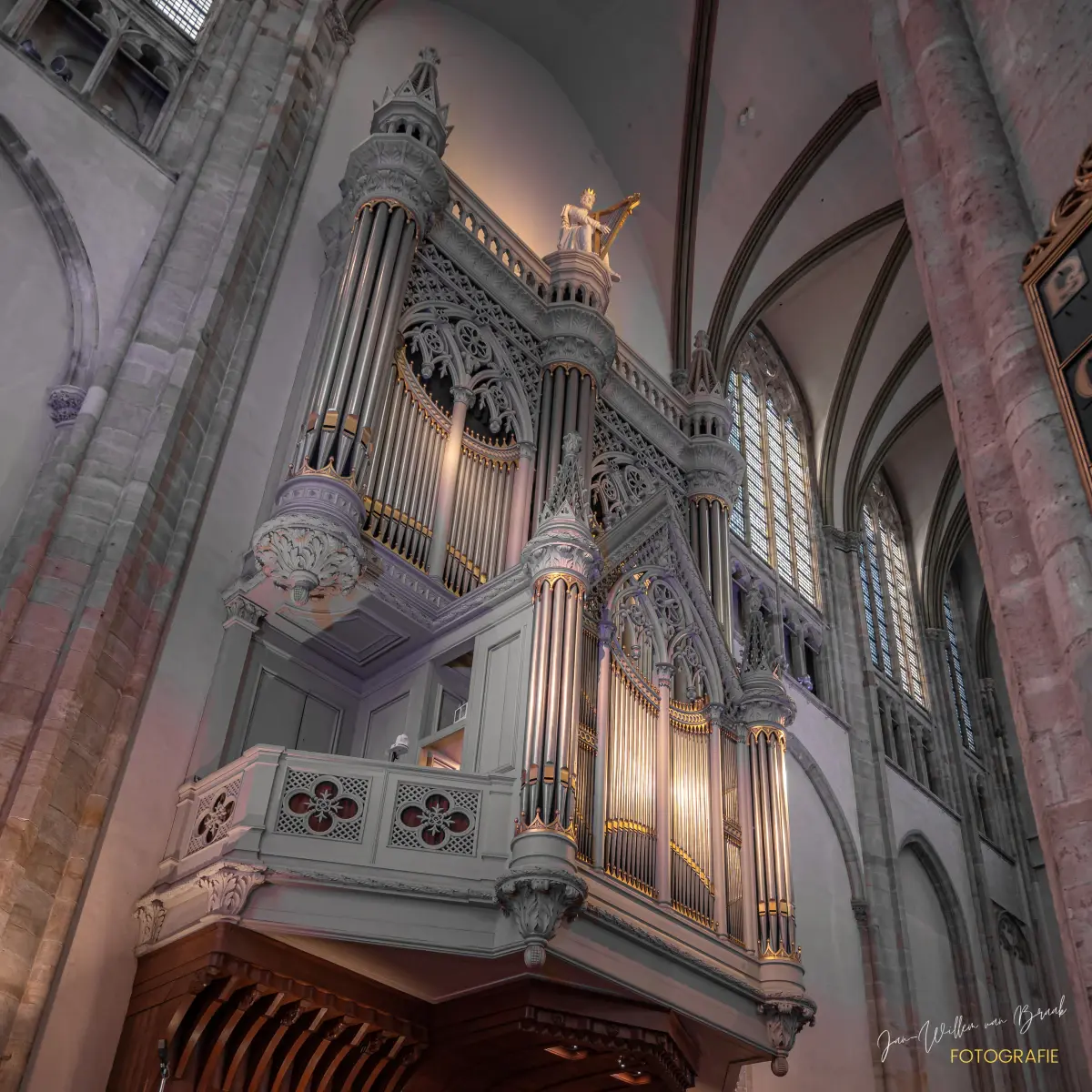
In the early 19th century, the Bätz firm, then one of the leading organ builders in the Netherlands, constructed the organ in its present form. Several stops were preserved from an earlier instrument: the Renaissance organ built by Peter Janszoon de Swart between 1569 and 1571. From this renowned builder, six stops in the Rugwerk, three in the Bovenwerk, and two in the Pedal have been preserved. The original pipes cover roughly the range F, G, A – f#2, a2; the remaining pipework was added later, in 1640, 1709, and 1831.
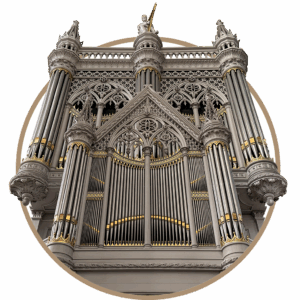
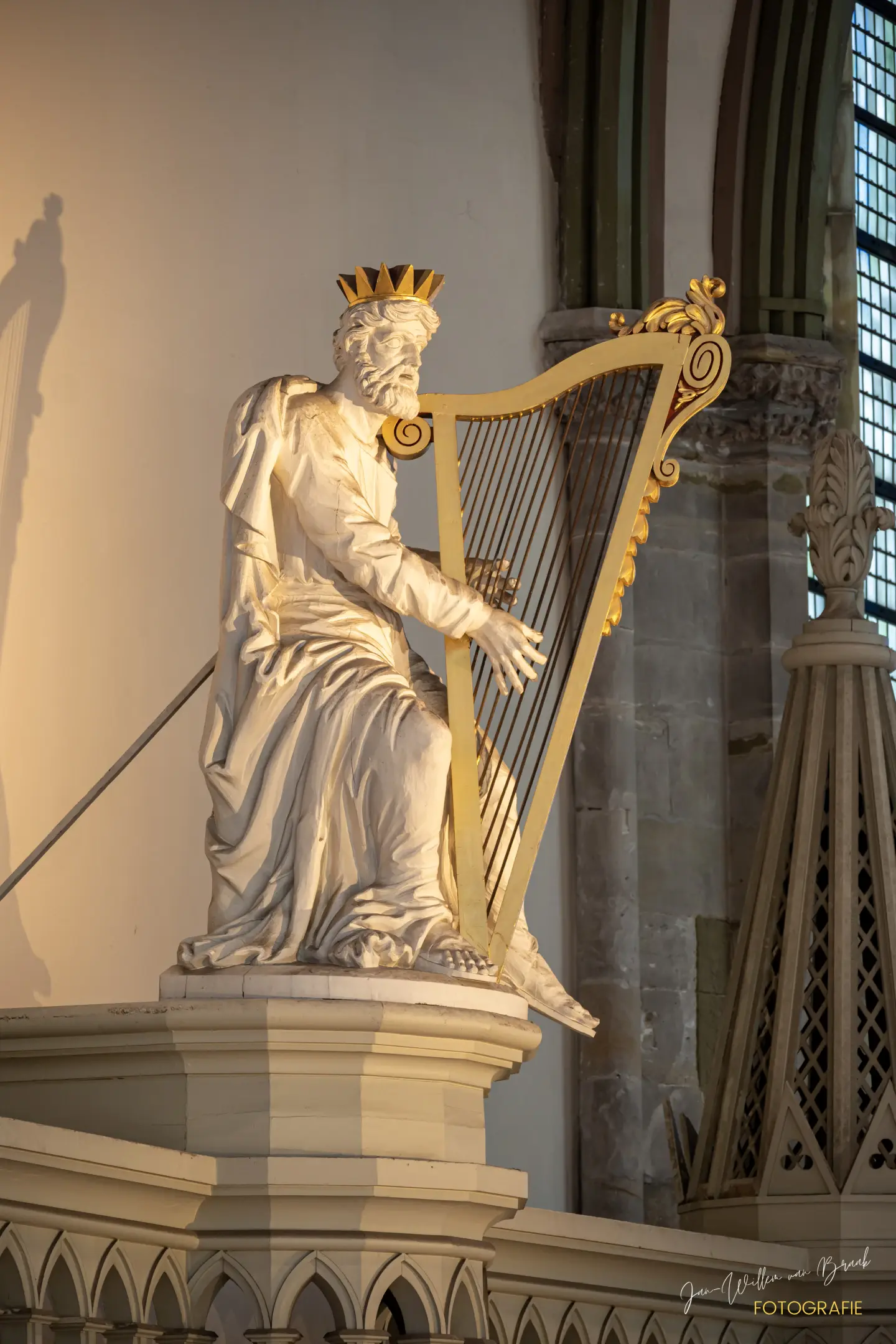
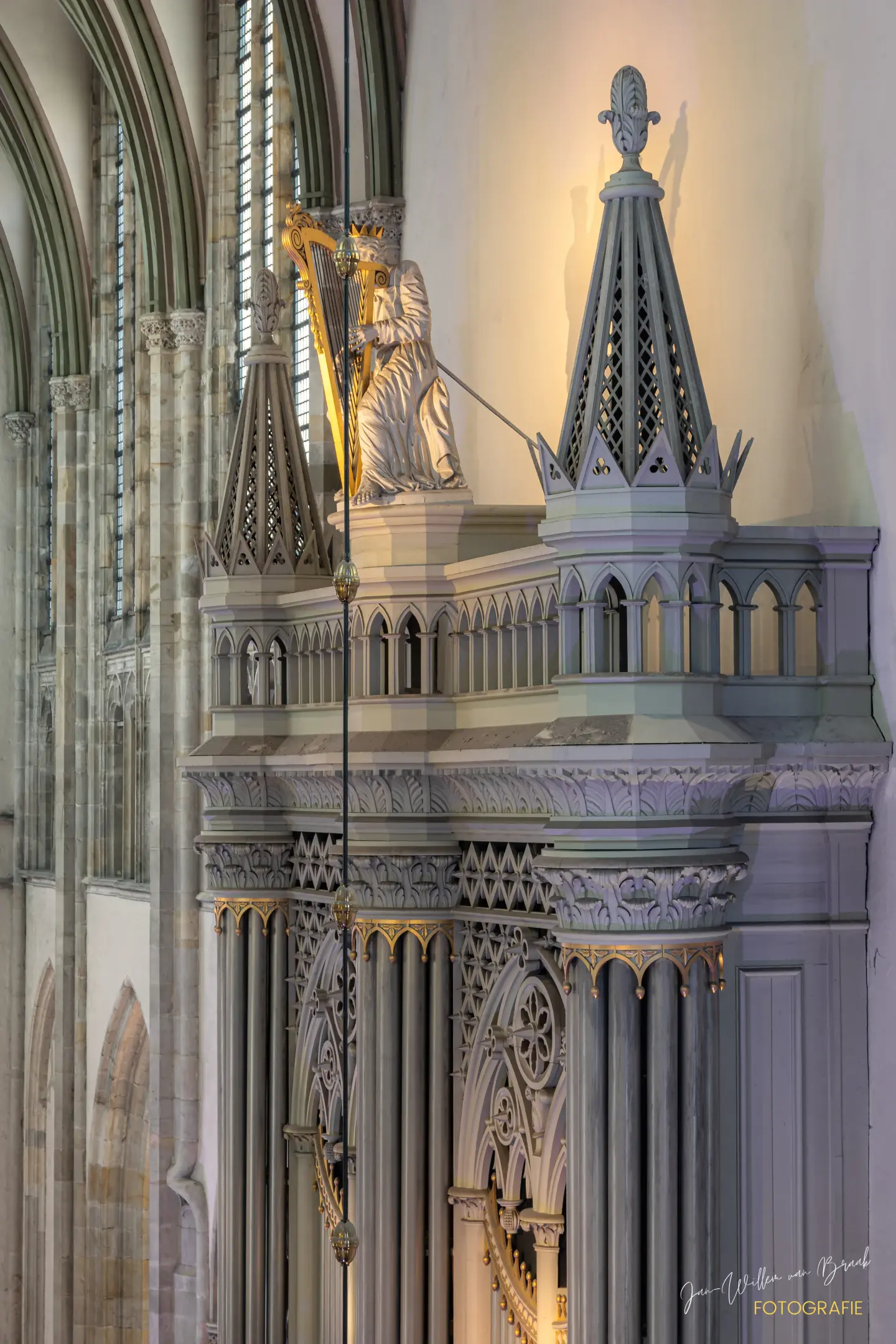
The case, designed by architect Tieleman Franciscus Suys from Brussels, combines a neoclassical style with Gothic ornaments and includes space for nine wedge-shaped bellows. The instrument was built so that all pipes and mechanisms are easily accessible – an aspect admired even by Cavaillé-Coll during his visit in 1844.
In 1865, Witte replaced the Hoofdwerk’s Sexquialter with a five-rank Cornet, and in 1895 the reed stops were revoiced. Between 1911 and 1936, several stops were removed, a swell box was added to the Bovenwerk, and the original bellows chamber was dismantled.
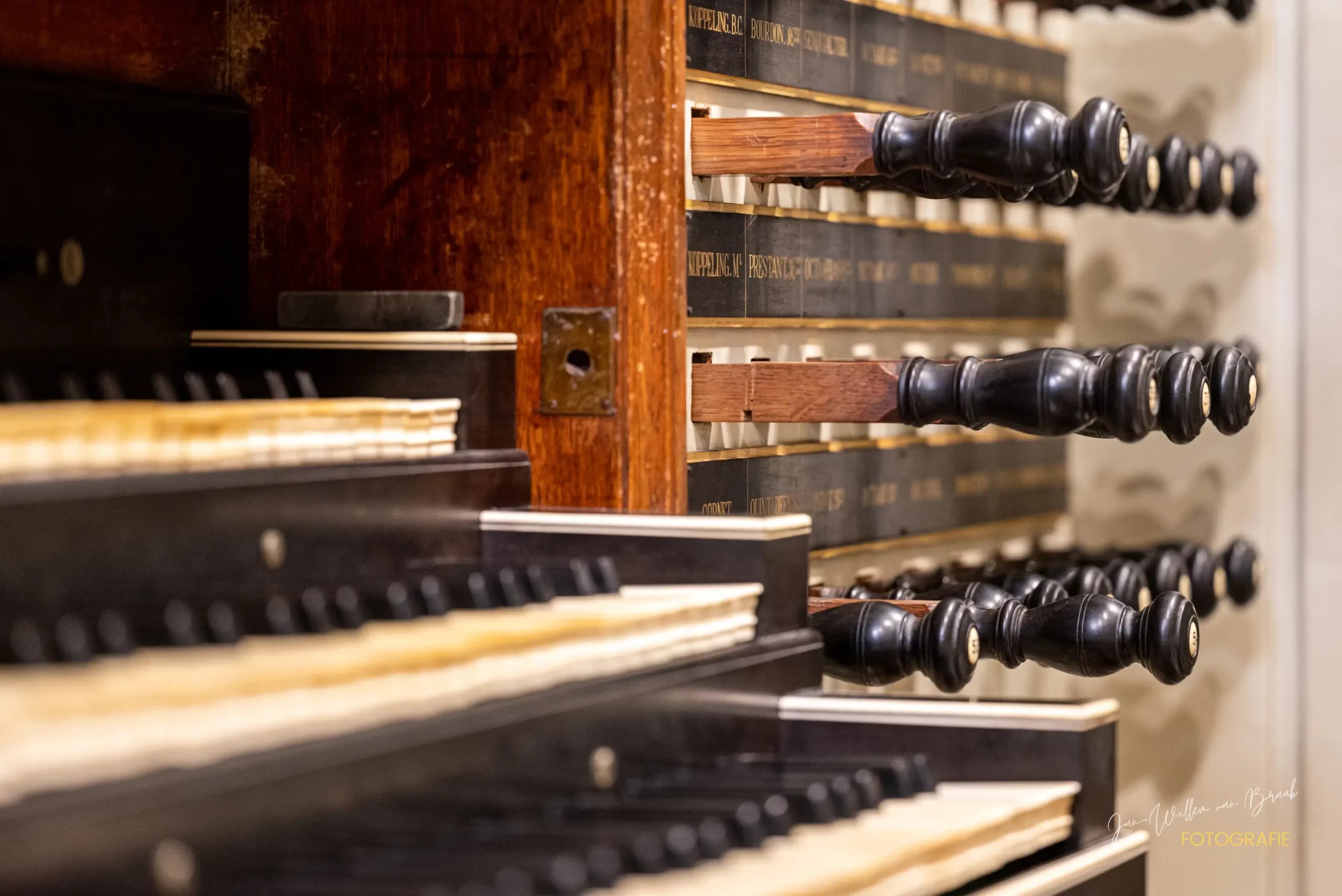
During the 1972–1973 restoration by Van Vulpen, specialists in Bätz organs, the removed stops were reconstructed. As there was no longer space outside the case for wedge bellows, a new wind system with six regulators was installed inside the main case. The swell box was retained.
Rugwerk (C-f”’)
- Prestant 8’
- Holpyp 8’
- Quintadeen 8’
- Octaaf 4’
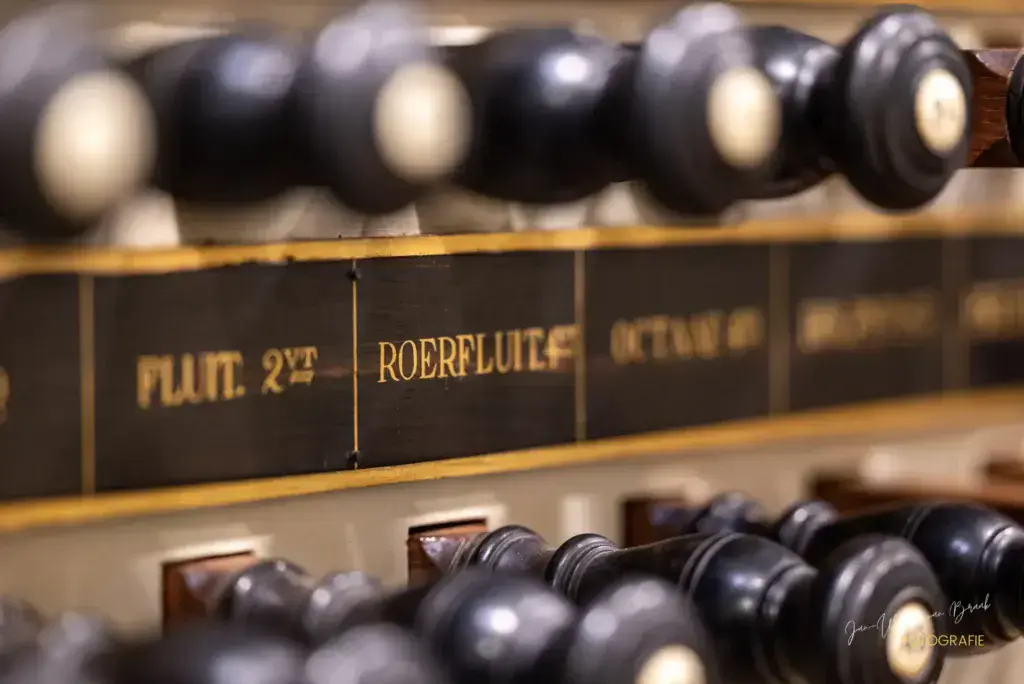
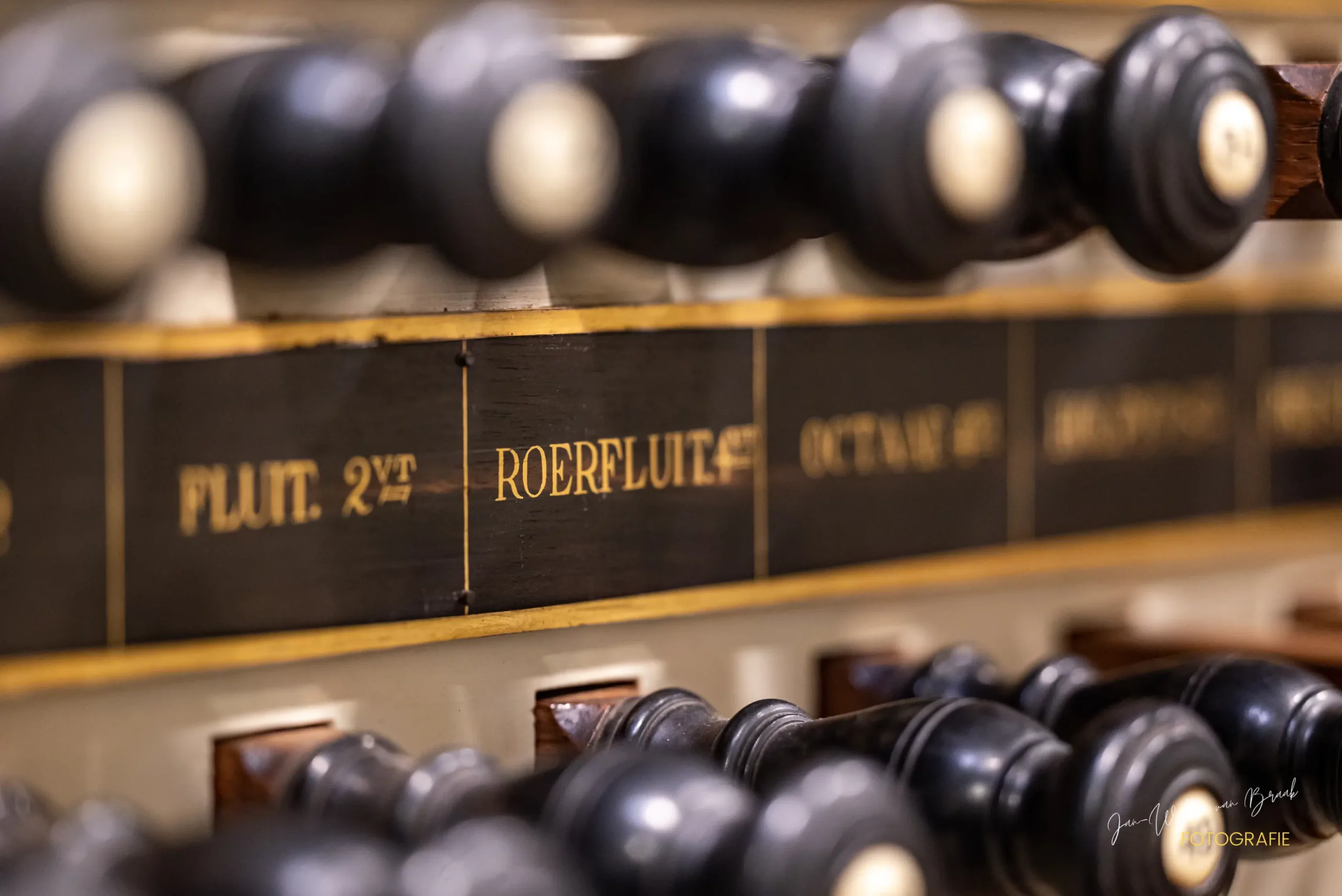
- Roerfluit 4’
- Quint 3’
- Octaaf 2’
- Fluit 2’
- Cornet V
- Mixtuur III-VI
- Scherp III-IV
- Trompet 8’
- Touzyn 8’
- Tremulant
- Koppel HW - RW
Hoofdwerk (C-f”’)
- Prestant 16’
- Bourdon 16’
- Octaaf 8’
- Roerfluit 8’
- Octaaf 4’
- Gemshoorn 4’
- Quint 3’
- Octaaf 2’
- Woudfluit 2’
- Sexquialter IV
- Mixtuur IV-VIII
- Fagot 16’
- Trompet 8’
- Koppel BW - HW
Bovenwerk (C-f”’)
- Prestant 8’
- Holpijp 8’
- Baarpijp 8’
- Viola de Gamba 8’
- Fluit Travers 8’
- Octaaf 4’
- Openfluit 4’
- Roerquint 3’
- Gemshoorn 2’
- Flageolet 1’
- Carillon II
- Trompet 8’
- Vox Humana 8’
- Tremulant
Pedaal (C-d”’)
- Prestant 16’
- Subbas 16’
- Octaafbas 8’
- Fluitbas 8’
- Roerquint 6’
- Octaaf 4’
- Mixtuur IV
- Bazuin 16’
- Trombone 8’
- Trompet 4’
- Cinq 2’
- Koppel RW - P
- Koppel HW - P
The original manual compass is 54 keys (C–f’’’), expandable to 56 keys (C–g’’’) with the Premium subscription.
The original pedal compass is 27 keys (C–d’), expandable to 30 keys (C–f’) with the Premium subscription.