

Every pipe, a masterpiece of craftsmanship
Kampen (NL)
Bovenkerk
Hinsz 1741/1743, IVP/56
Information
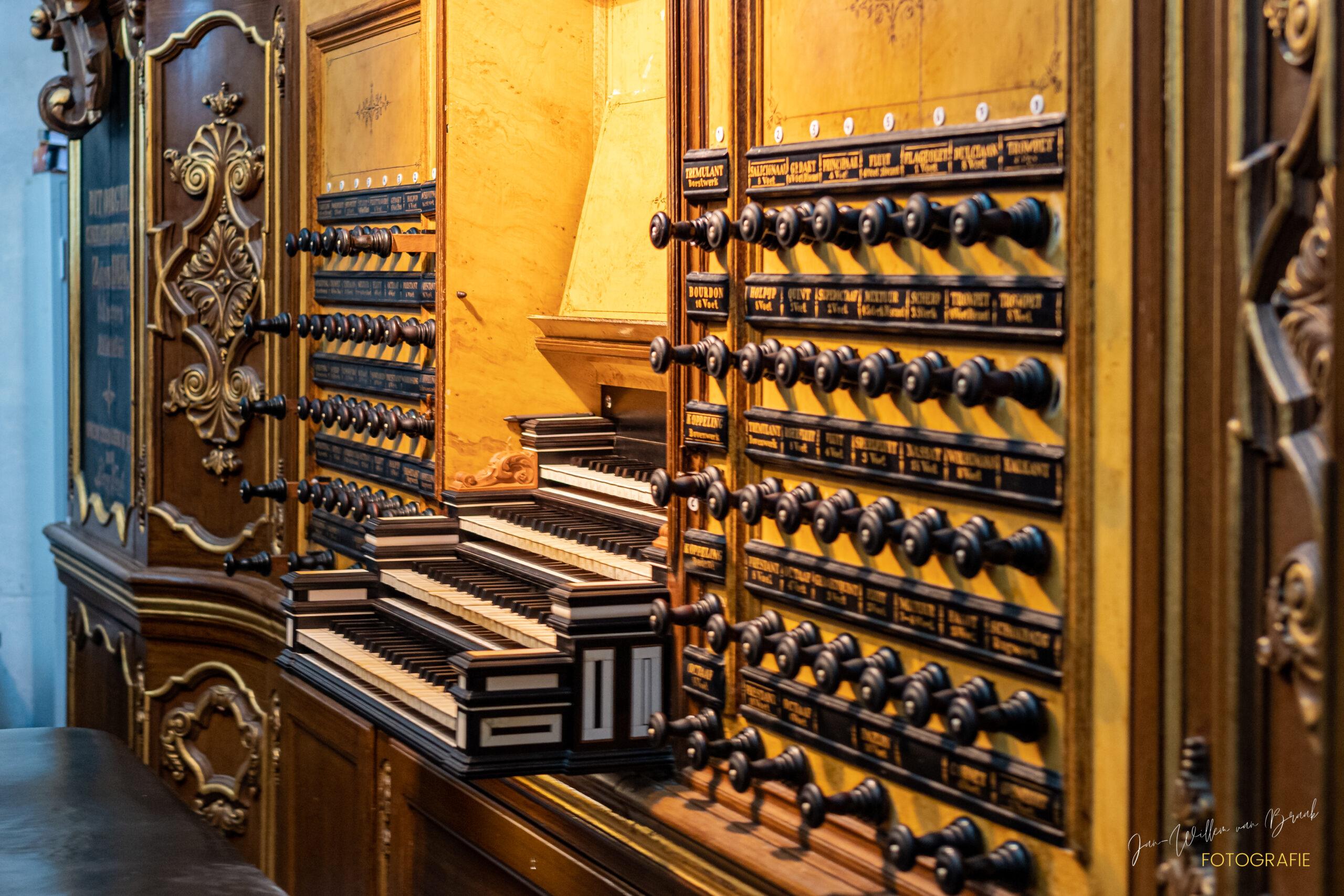
Not much can be said with certainty about the earliest organ — now known as the Hinsz main organ — in the Bovenkerk. It is generally assumed that the church acquired a large organ built between 1520 and 1523 by Johan van Kovelens (or J. van Covelen). The oldest pipework in the instrument — particularly the 4′ and 2′ flutes of the Bovenwerk — likely dates from Jan Morlet (1629). In 1676, Jan Slegel completed a new organ, incorporating material from the earlier instrument. Between 1694 and 1712, Johan Duyschot made some modifications and was responsible for its maintenance.
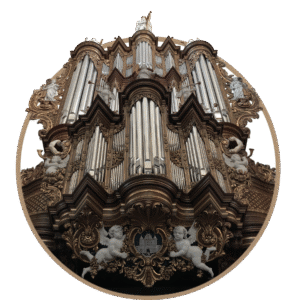
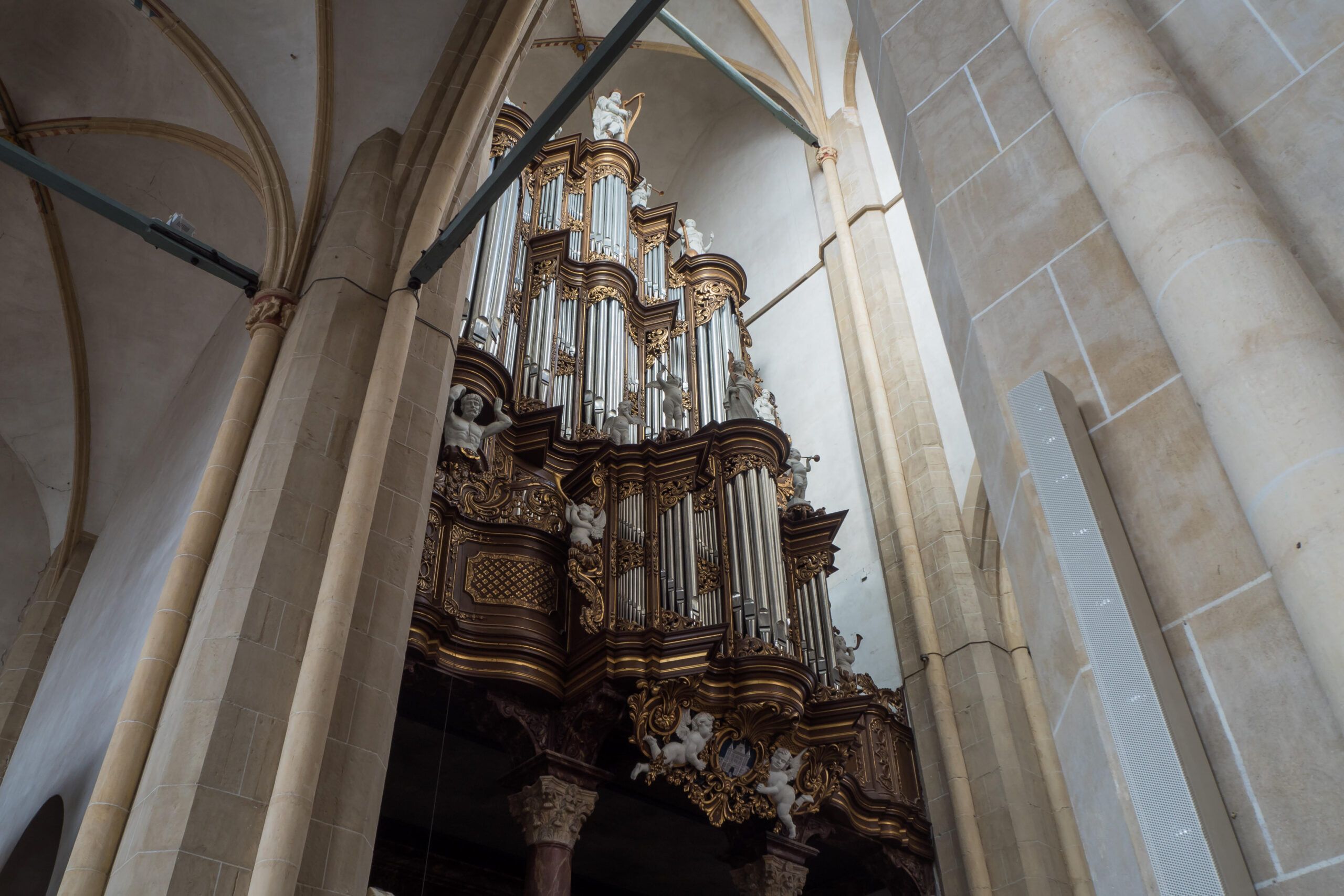
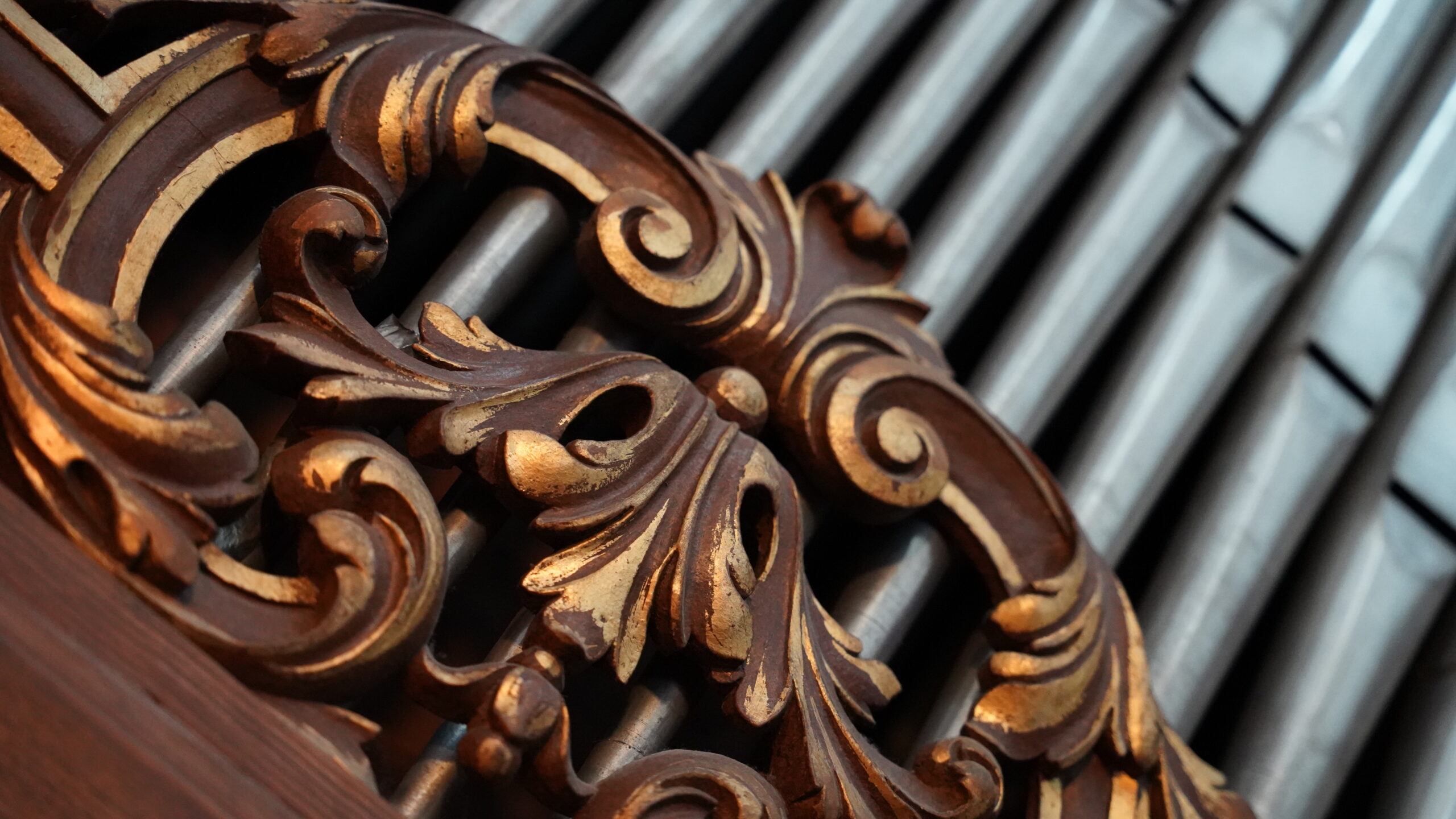
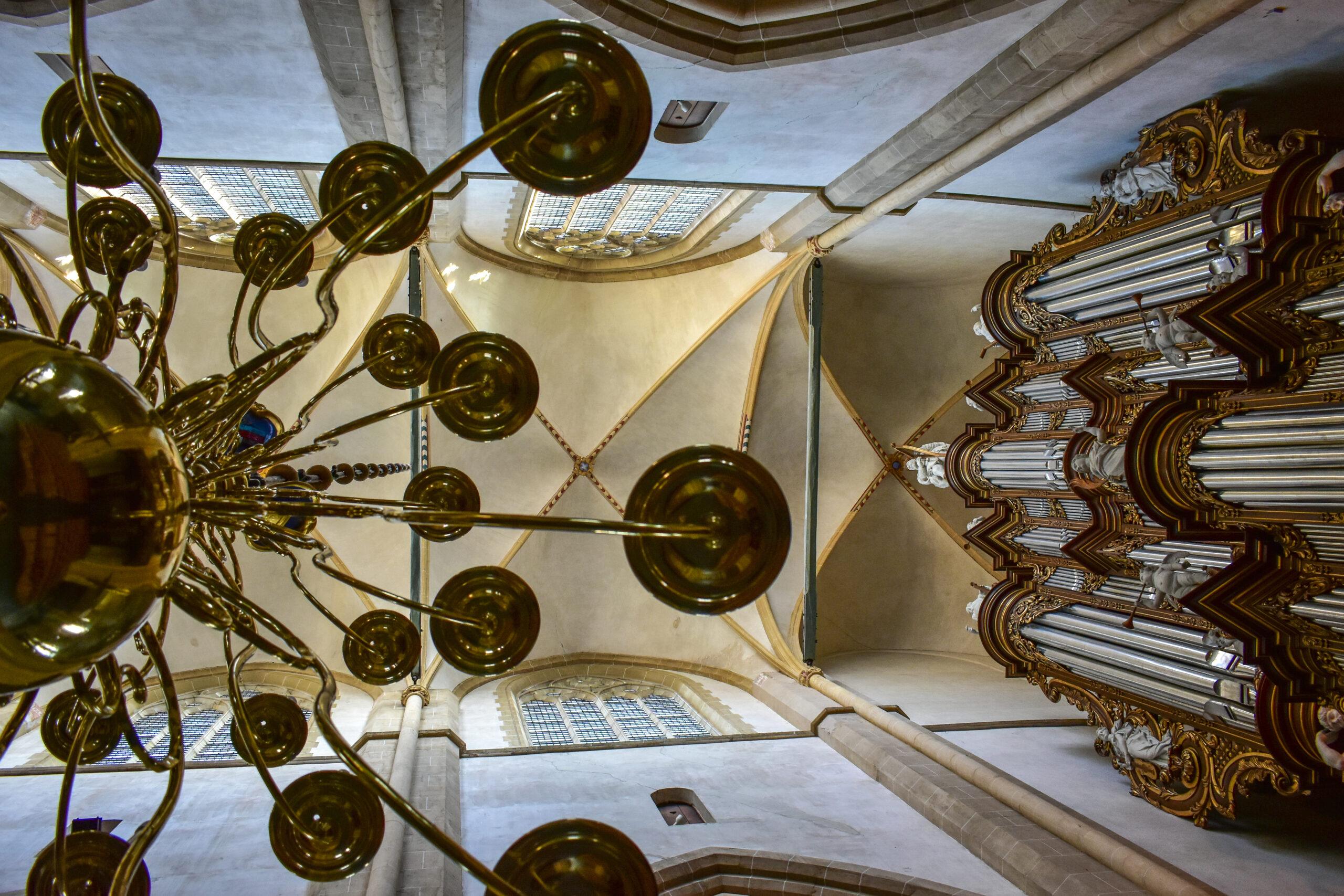
From 1741 to 1743, Albertus Anthoni Hinsz carried out extensive work on the organ: he designed a new case, replaced all wind ducts, built new windchests and action, and slightly expanded the stoplist. This became the largest organ Hinsz ever built.
Between 1788 and 1790, H.H. Freytag and F.C. Schnitger Jr. added a free pedal division with 8 stops and a Brustwerk with 4 stops, playable from the Bovenwerk manual. They relocated the Dulcian 8′ from the Rugwerk to the new Brustwerk and placed a Fagott 16′ on the Rugwerk in its place.
Throughout the 19th century, organ builders Van Gruisen, Scheuer, and Naber made further changes. In 1866, the Kampen-based organ builder Zwier van Dijk provided the Brustwerk with its own manual and added several stops.
Source: debovenkerk.nl
Rugwerk (C-c”’)
- Prestant 8’
- Holpijp 8’
- Octaaf 4’
- Fluit 4’
- Gedakt Quint 3’
- Octaaf 2’
- Fluit 2’
- Sifflet 1’
- Mixtuur 3-4 st.
- Sesquialter 3 st.
- Fagot 16’
- Tremulant
Hoofdwerk (C-c”’)
- Prestant 16’
- Bourdon 16’
- Prestant 8’
- Holpijp 8’
- Octaaf 4’
- Fluit 4’
- Quint 3’
- Superoctaaf 2’
- Mixtuur 3-5 st.
- Scherp 3 st.
- Tertiaan 2 st.
- Trompet 16’
- Trompet 8’
- RW - HW
- BW – HW
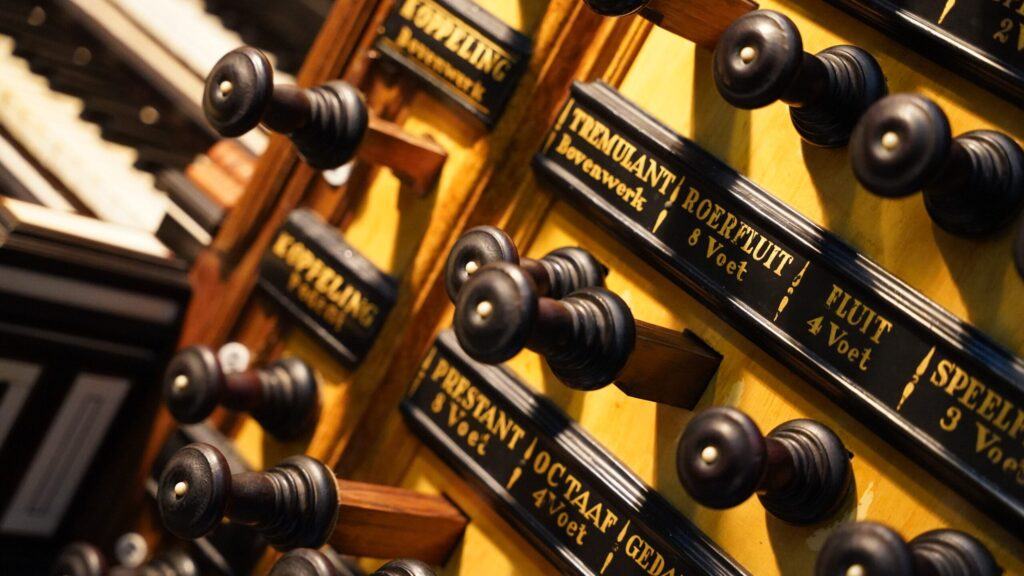
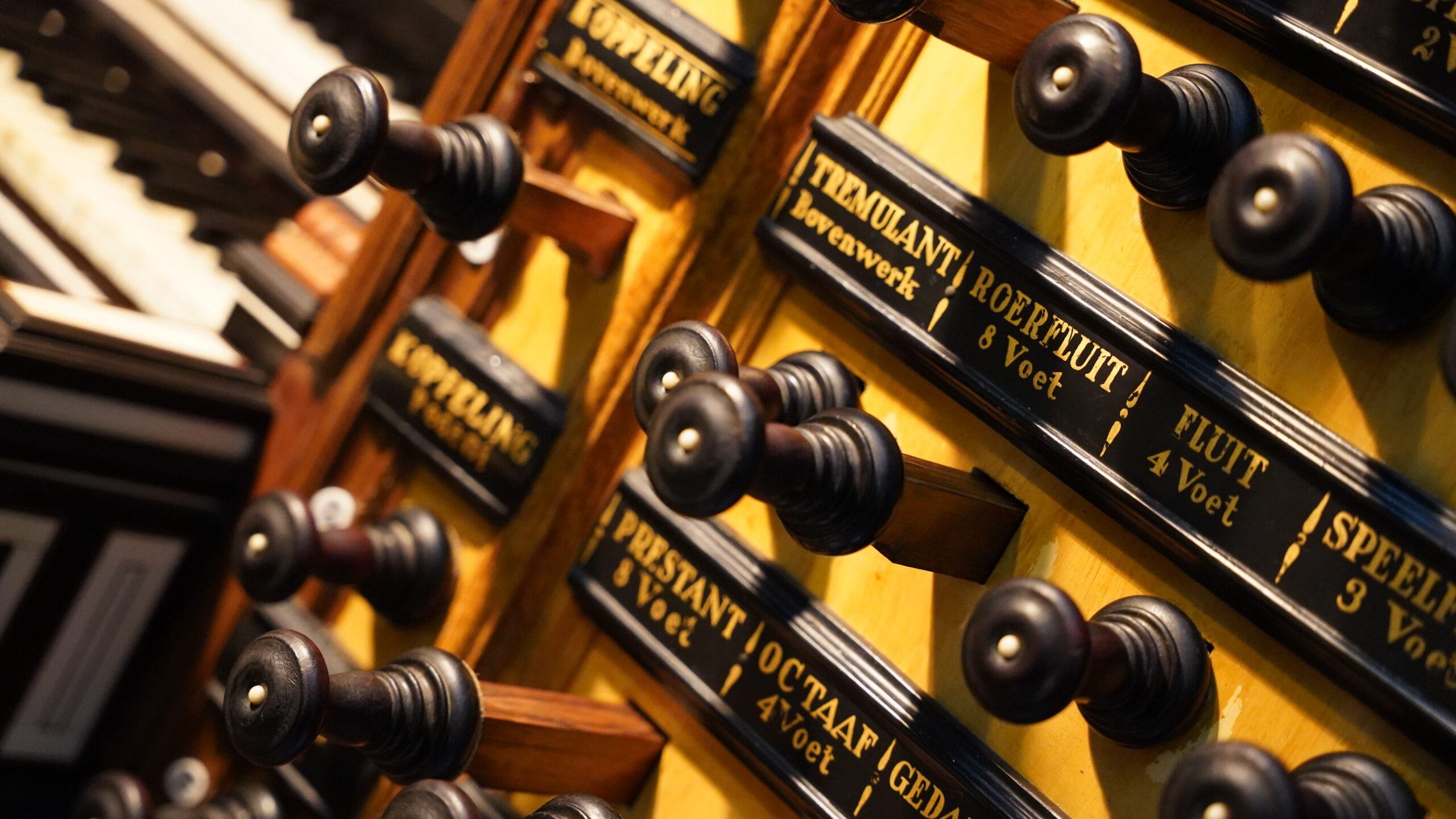
Bovenwerk (C-c”’)
- Bovenwerk I
- Prestant 8’
- Roerfluit 8’
- Quintadeen 8’
- Octaaf 4’
- Fluit 4’
- Speelfluit 3’
- Woudfluit 2’
- Nassat 1 1/2
- Scherp 3 st.
- Vox Humana 8’
- Tremulant
- Bovenwerk II
- Fluittravers 8’
- Holpijp 8’
- Salicionaal 8’
- Principaal 4’
- Spitsfluit 2’
- Flageolet 1’
- Carillon 3 st.
- Trompet 8’
- Tremulant
- BWII – BW
- BrW – BW
Borstwerk (C-c”’)
- Gedekt 8’
- Fluit 4’
- Woudfluit 2’
- Dulciaan 8’
- Tremulant
Pedaal (C-d')
- Prestant 16’ (transm)
- Subbas 16’
- Octaaf 8’
- Gedekt 8’
- Roerquint 6’
- Octaaf 4’
- Open Fluit 2’
- Bazuin 16’
- Trompet 8’
- Cornet 4’
- Ped – HW
De originele klavieromvang is 49 toetsen (C-c”’), uitbreidbaar tot 56 toetsen (C-g”’) in het Premium abonnement.
De originele pedaalomvang is 27 toetsen (C-d’), uitbreidbaar tot 30 toetsen (C-f’) in het Premium abonnement.