
Reborn as Hinsz
Harlingen (NL)
Grote Kerk
Hinsz 1776, IIP/34
 In progress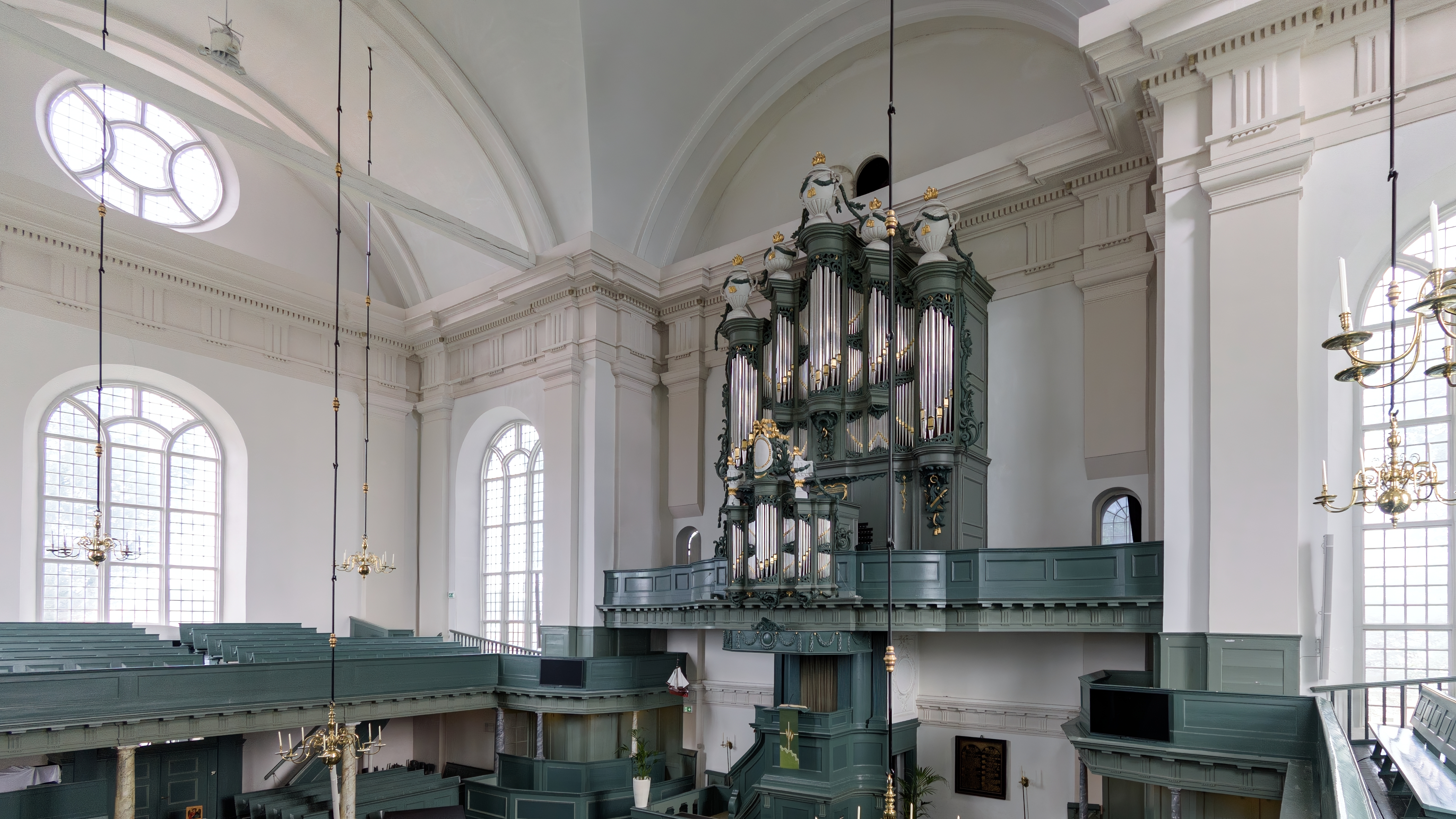


Information
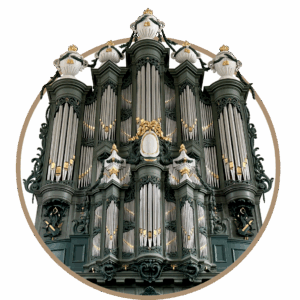
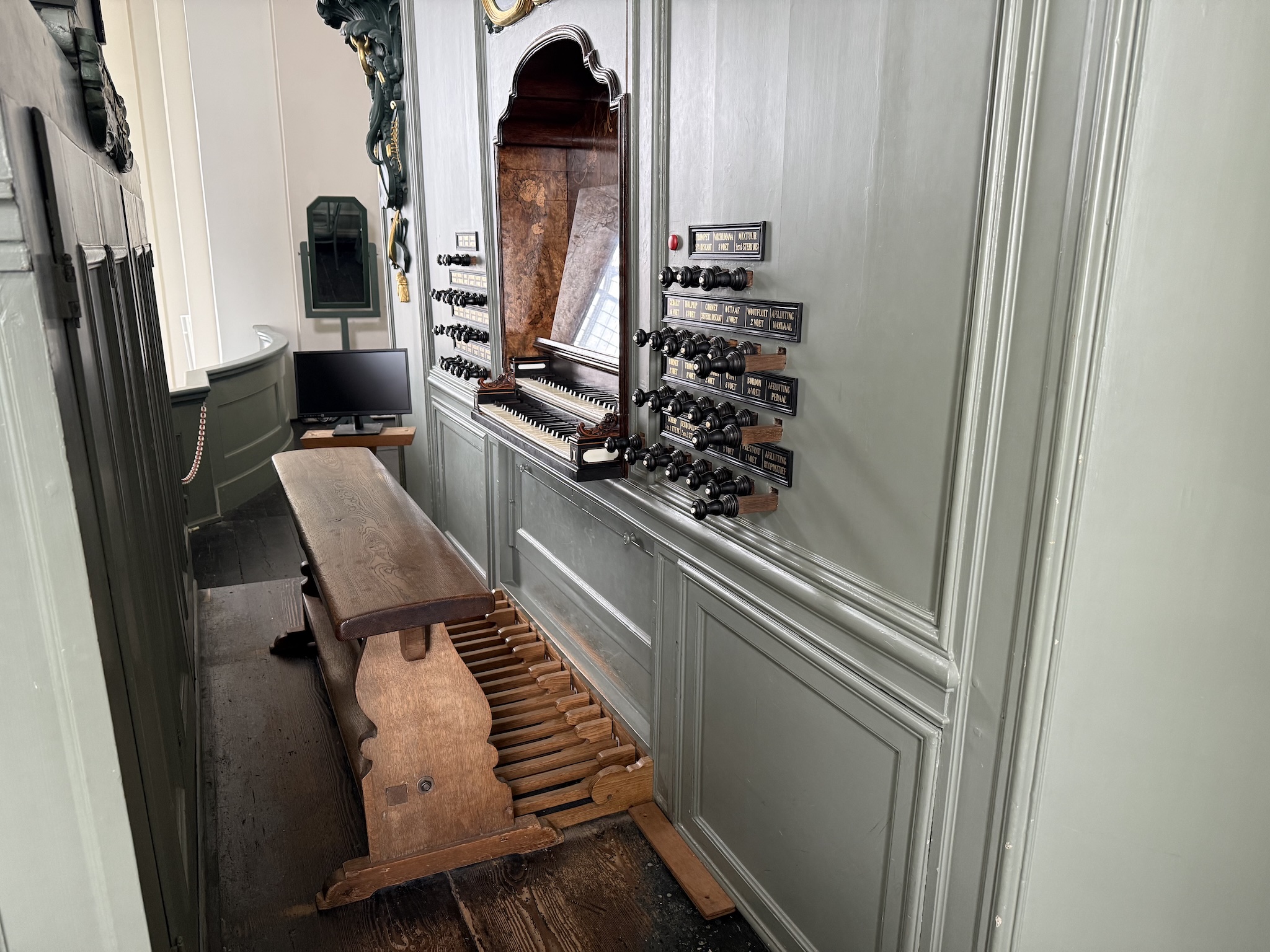
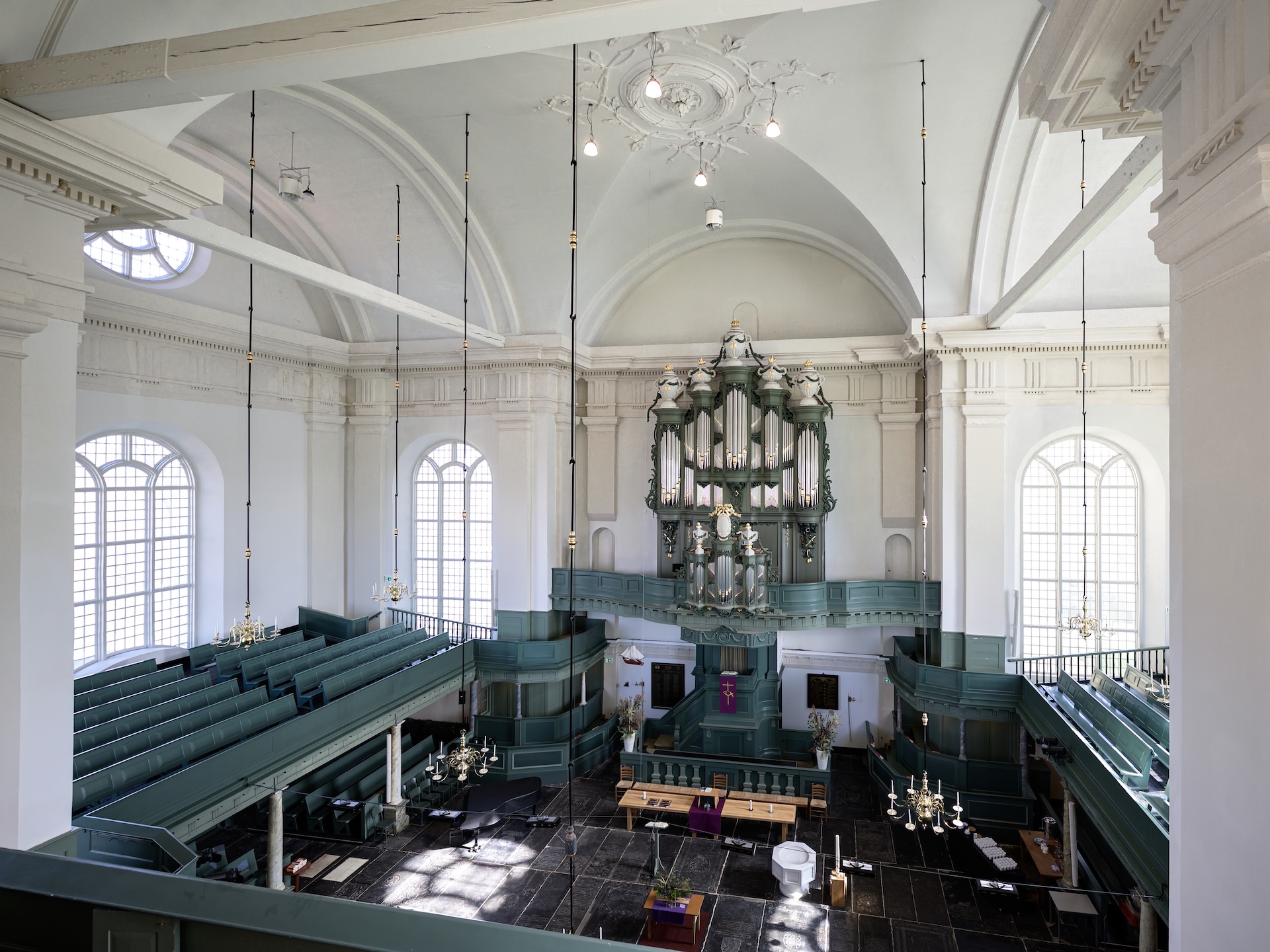
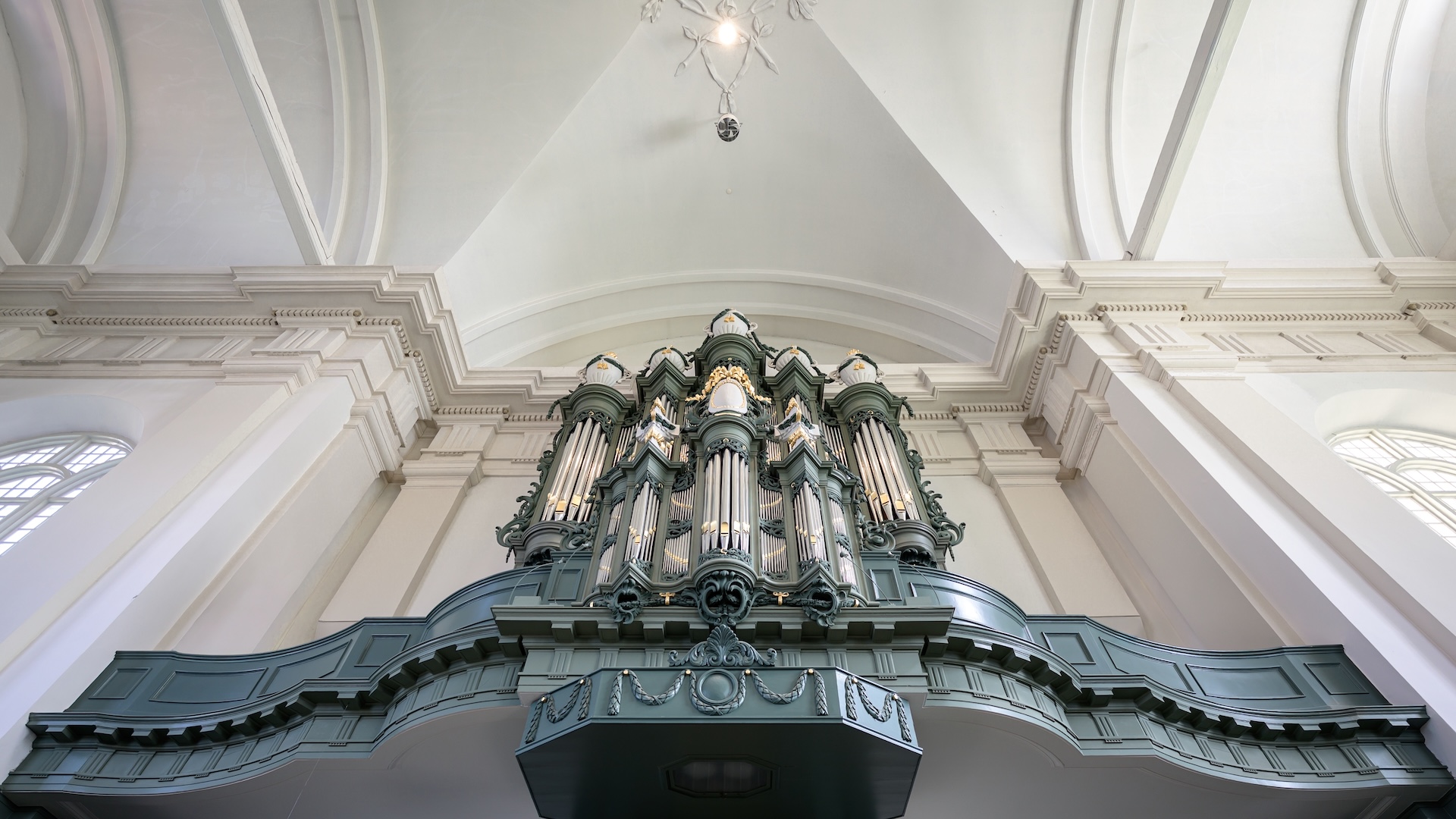
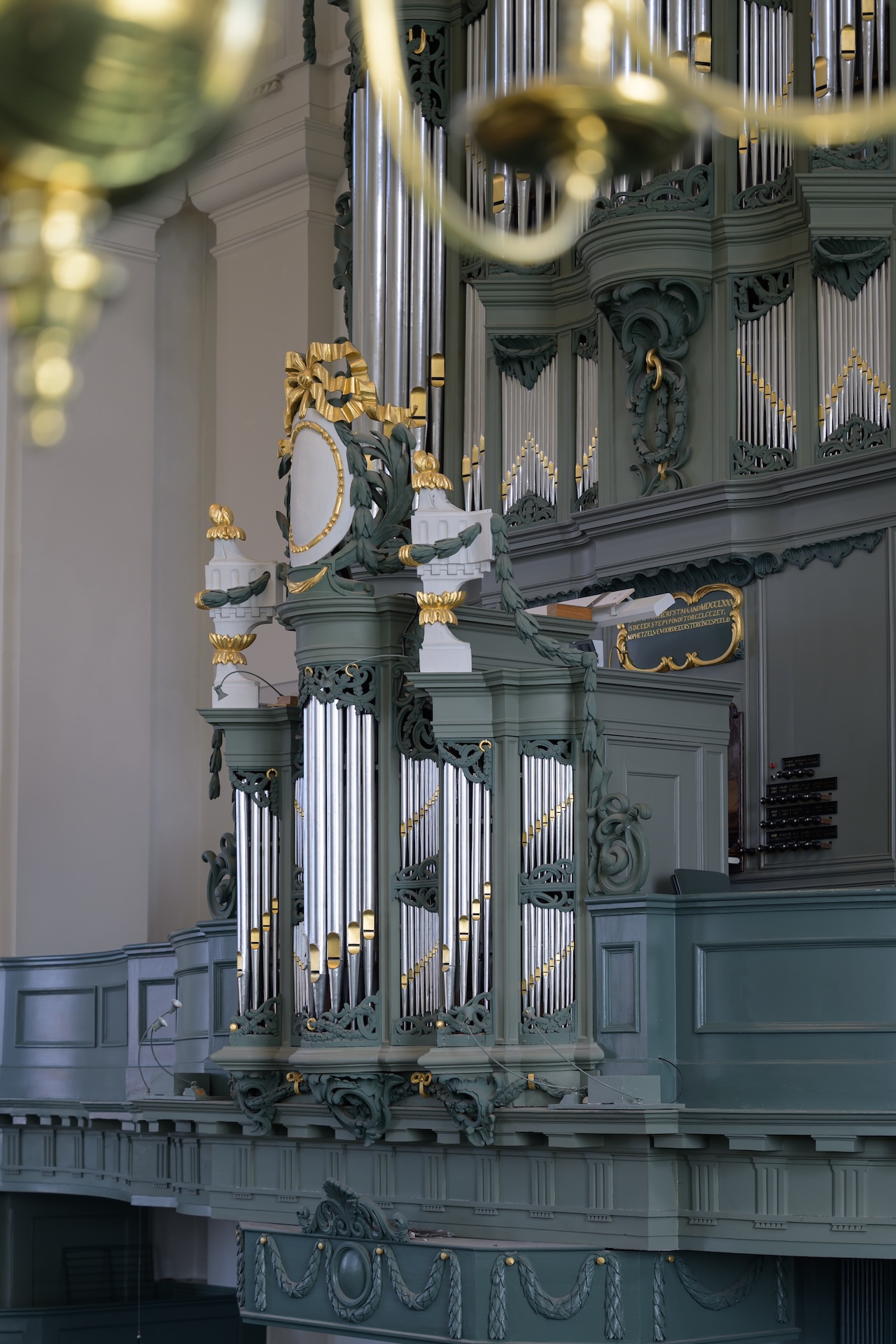
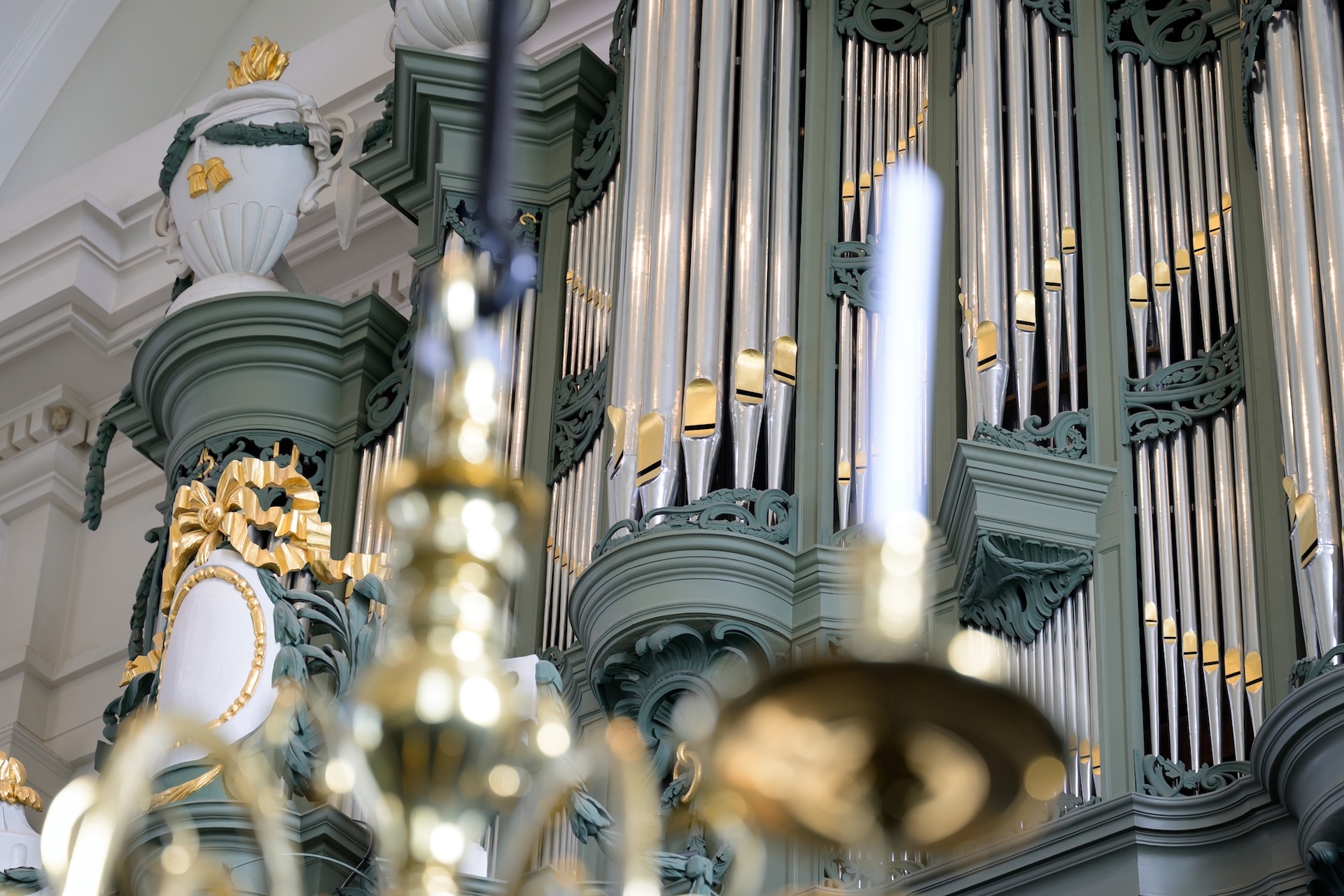
Shortly after the Great Church was taken into use on January 1, 1775, organ builder Albertus Antoni Hinsz began construction of the new organ. The first pipe was installed on September 11, 1775, and by April 30, 1776 the instrument was already completed. As such, this organ ranks among the late-18th-century masterpieces in which Northern Dutch organ building reached its mature form.
For a long period the organ remained largely unchanged. Maintenance was carried out by, among others, Albertus van Gruisen and later the firms Van Dam and Hardorff. During the 19th and 20th centuries, however, the instrument underwent several major alterations. In 1864 Van Oeckelen carried out an extensive restoration, during which the disposition was significantly modified and the original reed stops were replaced by new reeds with free tongues. Further changes followed in 1915 by Pieter van Dam, and again in 1938–1939 during a restoration by J. de Koff & Zn., when additional stops were renewed and expanded and the pedal keyboard was also replaced.
From 1971 onward the firm Flentrop took responsibility for the organ. Over several phases, parts of the instrument were restored and prepared for a fundamental reconstruction. Under the advice of Maarten Vente and later Cees van der Poel, the work increasingly focused on recovering the original concept. These efforts culminated in the reconstruction that began in 2010, during which the organ was fully returned to its 1776 condition.
On October 1, 2011 the restored organ was put back into use. At this inauguration the instrument was played by Cees van der Poel together with the church organists Eeuwe Zijlstra and Jan Luth. The result is an organ that once again reveals Hinsz’s original vision, clear, powerful, and refined, with a distinct character and an impressive unity of sound and space.
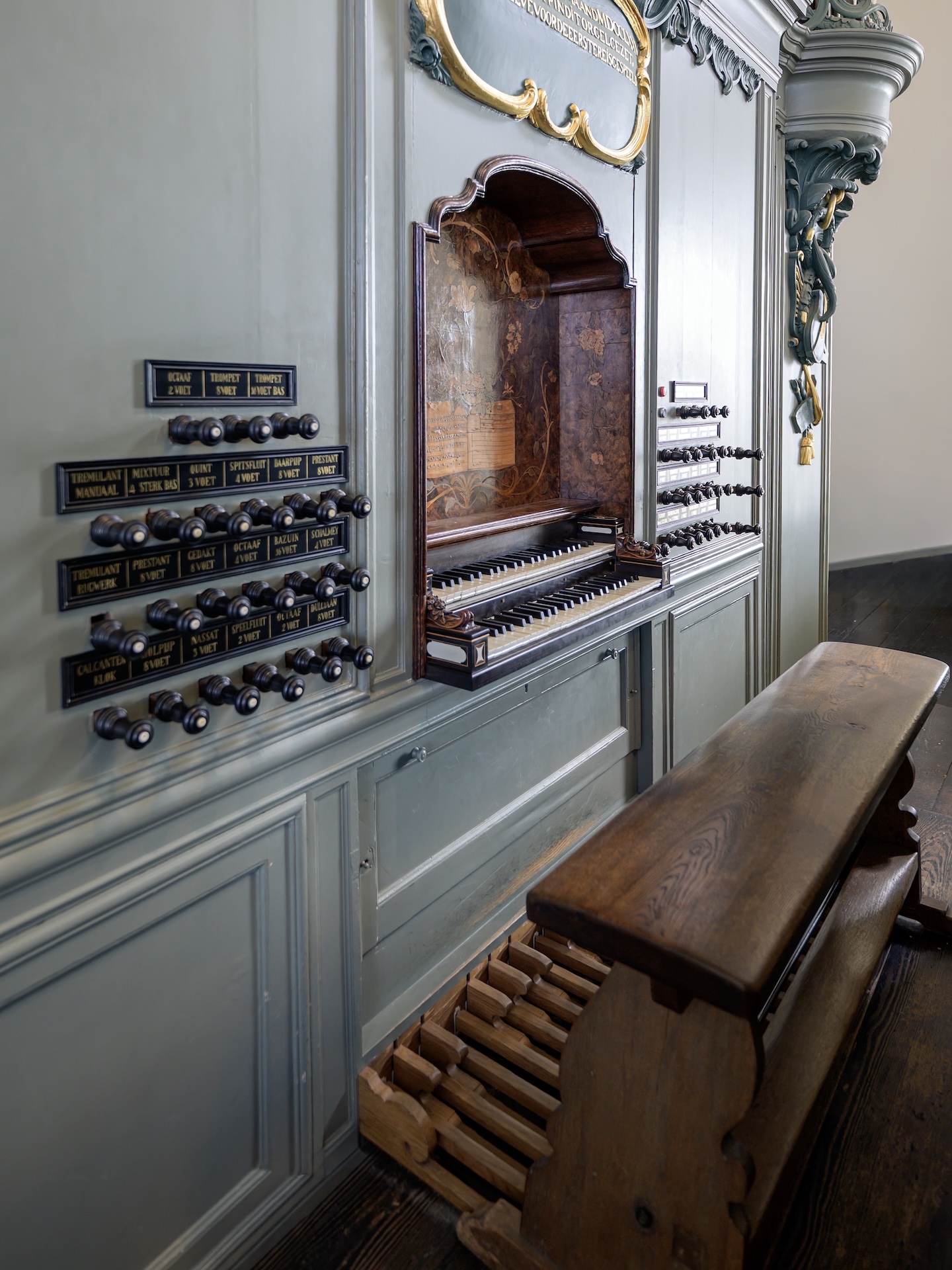
Hoofdwerk (C-f”’)
- Gedakt 16′
- Prestant 8′
- Baarpijp 8′
- Holpijp 8′
- Octaaf 4′
- Spitsfluit 4′
- Quint 3′
- Octaaf 2′
- Woutfluit 2′
- Cornet III sterk (5 1/3′)
- Mixtuur IV-V-VI sterk (1 1/3′) (B/D)
- Trompet 16′ (B/D)
- Trompet 8′
- Voxhumana 8′
- Tremulant
- Manuaalkoppel
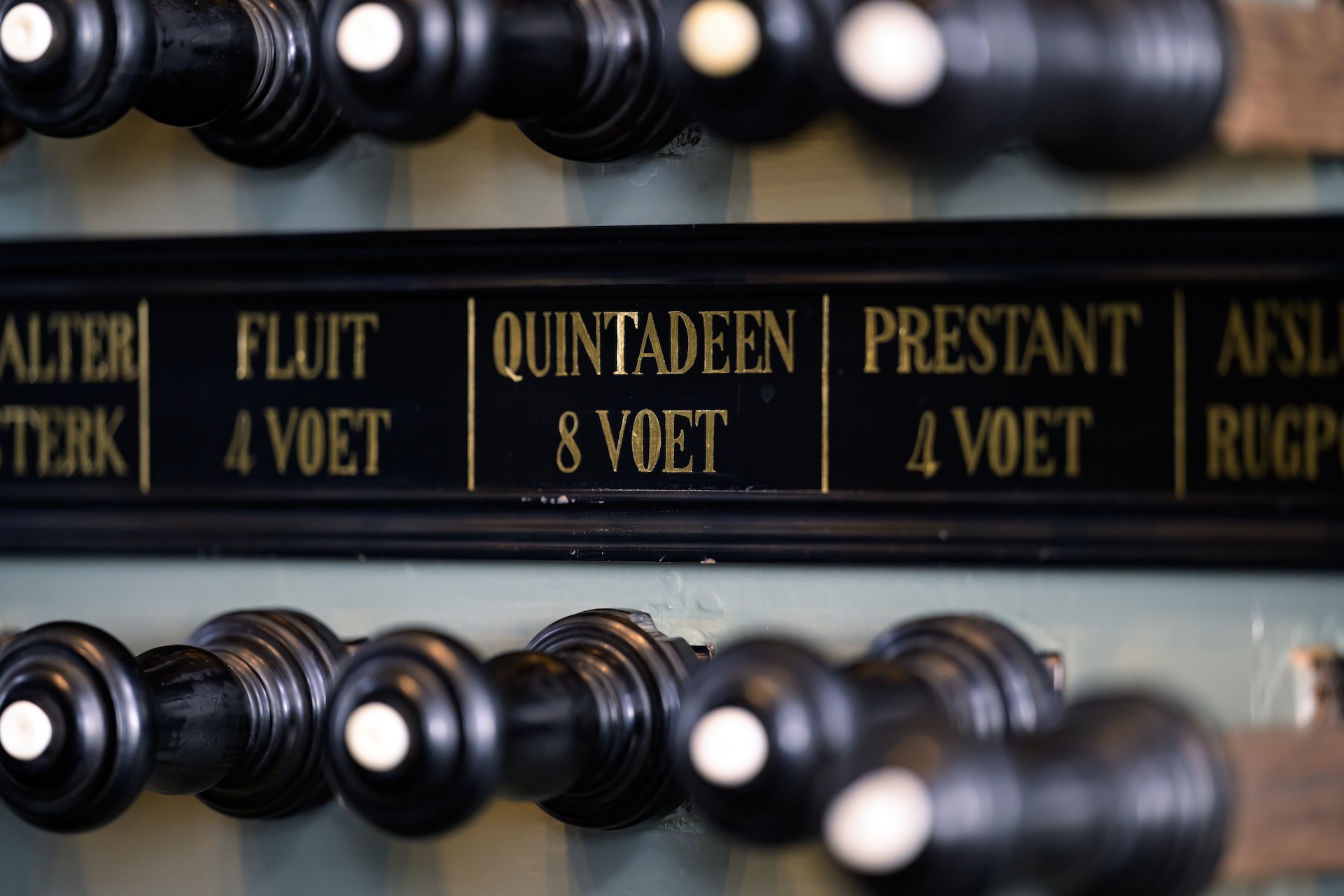
Rugwerk (C-f”’)
- Quintadeen 8′
- Holpijp 8′
- Prestant 4′
- Fluit 4′
- Nassat 3′
- Octaaf 2′
- Speelfluit 2′
- Sesquialter II-IV sterk (2 2/3′)
- Scherp III-IV sterk (2/3′)
- Dulciaan 8′
- Tremulant
Pedaal (C-d’)
- Bordon 16′
- Prestant 8′
- Gedakt 8′
- Quint 6′
- Octaaf 4′
- Nachthoorn 2′
- Bazuin 16′
- Trompet 8′
- Schalmey 4′
- Cornet 2′
- Pedaalkoppel
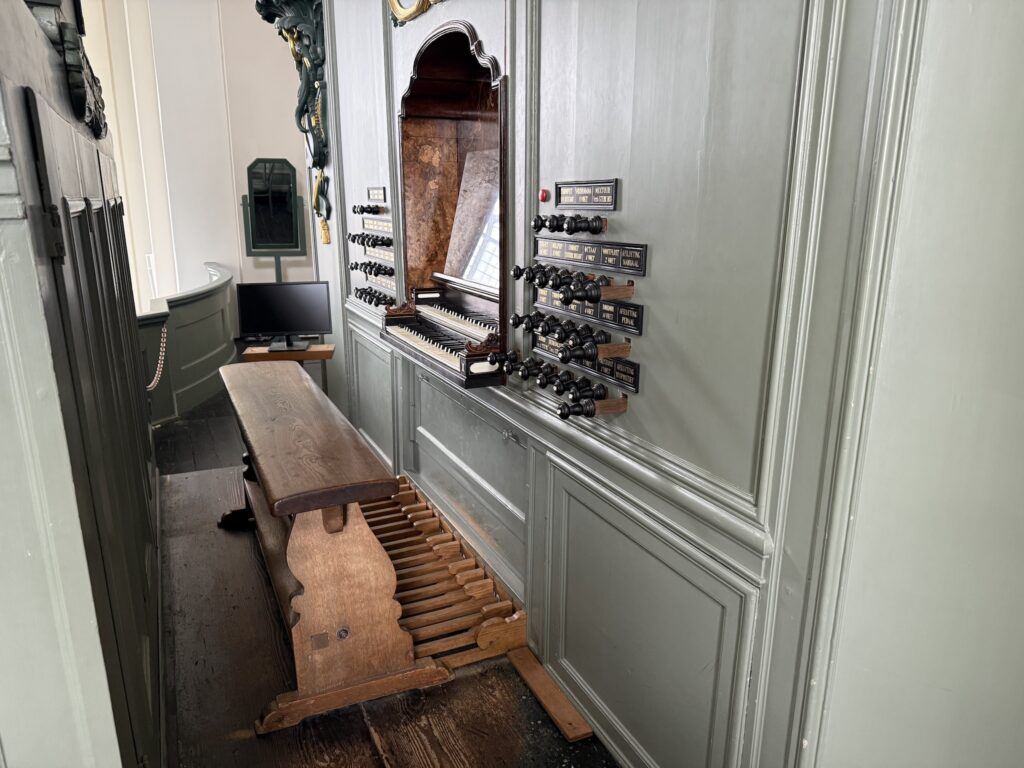
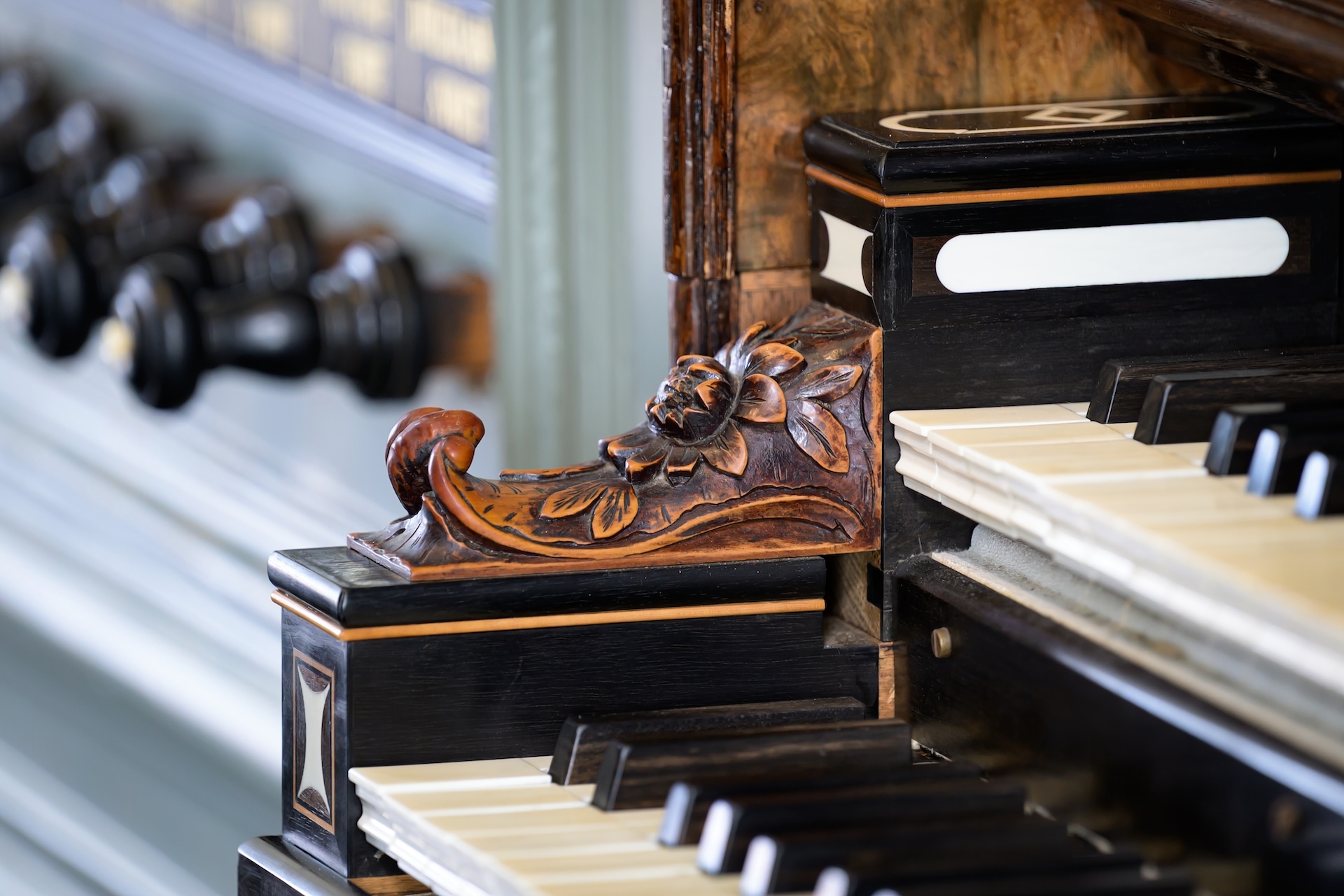
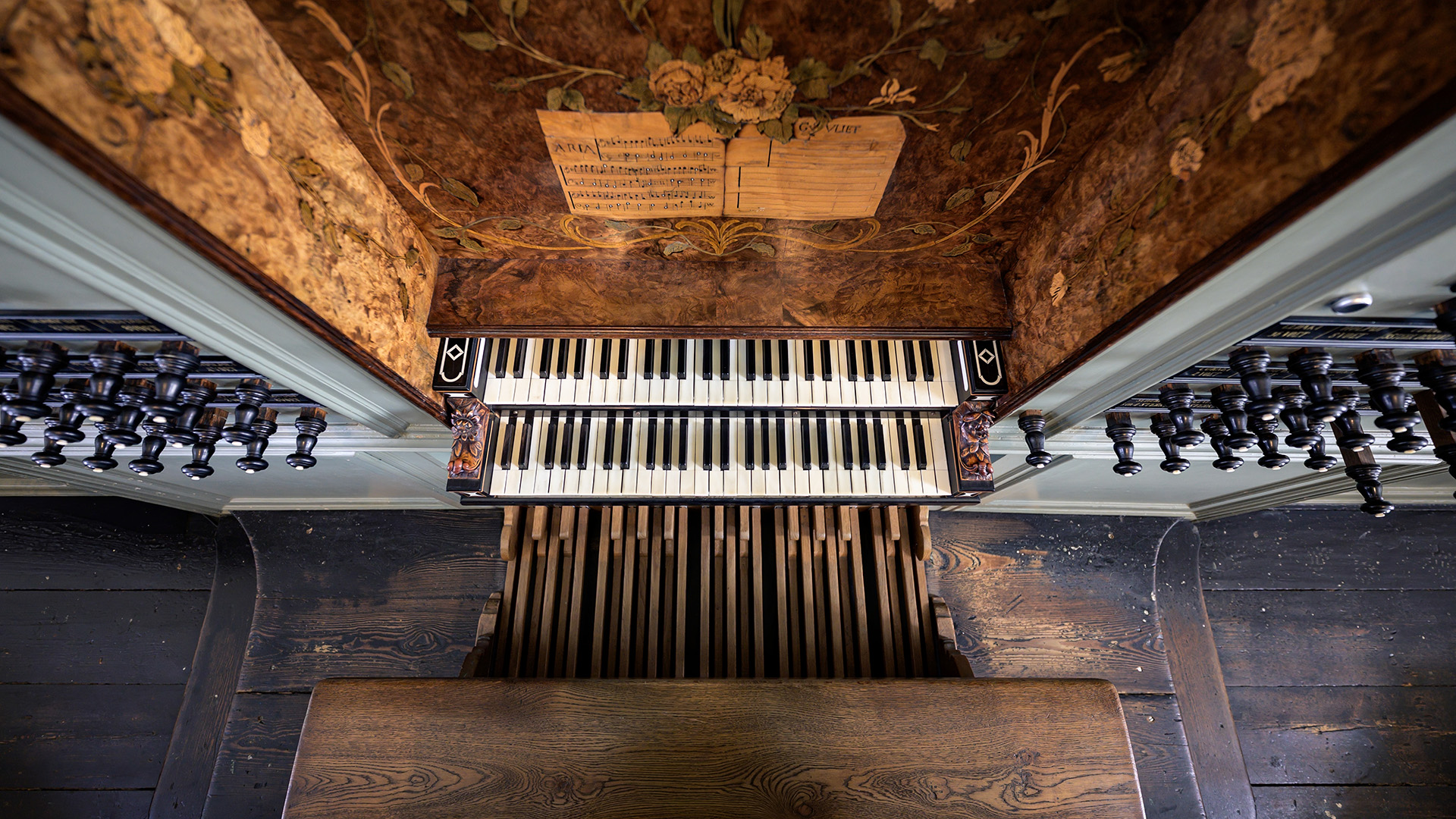
The original manual compass comprises 54 keys (C–f‴) and can be extended to 56 keys (C–g‴) with the Premium subscription.
The original pedal compass comprises 27 keys (C–d′) and can be extended to 30 keys (C–f′) with the Premium subscription.