

A colourful and versatile soundscape
Goch (DE)
Pfarrkirche St. Maria Magdalena
Seifert & Sohn 2015, IIIP/42


Information
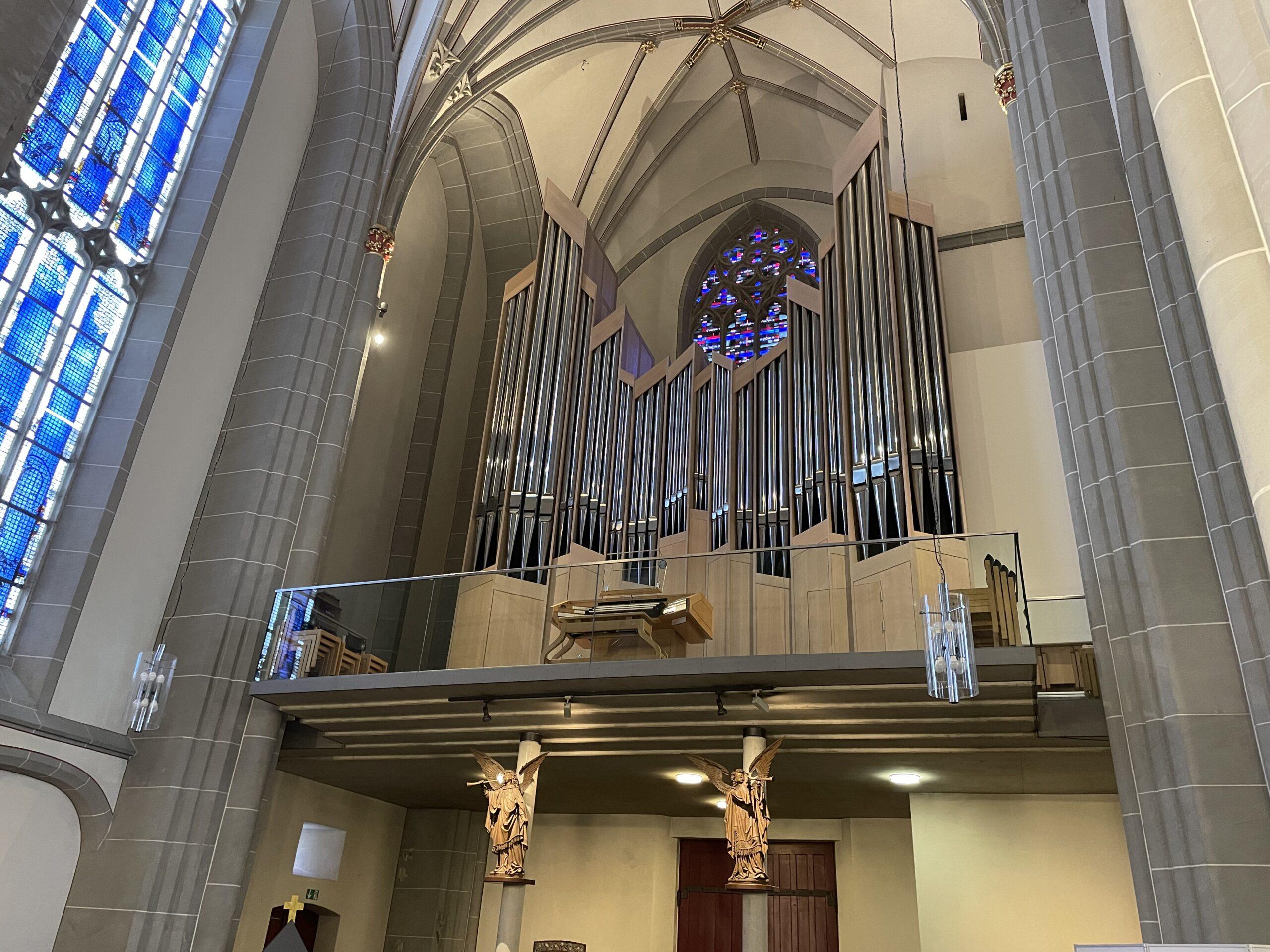
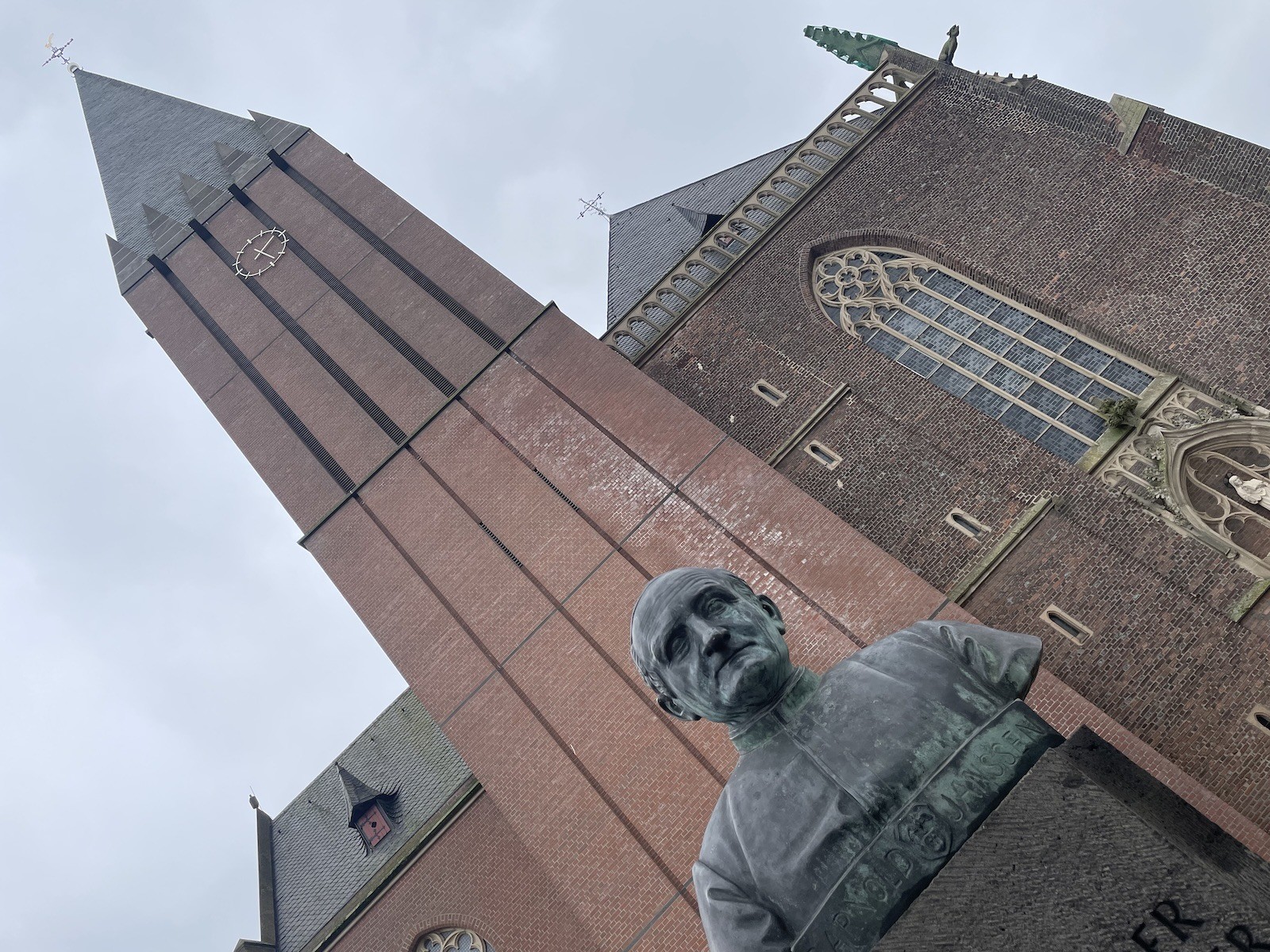
Since 2015, the Church of St. Maria Magdalena in Goch — a city in North Rhine-Westphalia — has been home to a magnificent organ built by Romanus Seifert & Sohn (Kevelaer). This instrument replaces an earlier Seifert organ from 1958, which was destroyed in 1993 when the church tower collapsed and buried the organ beneath the rubble.
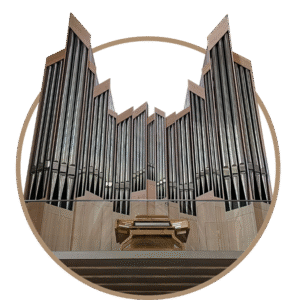
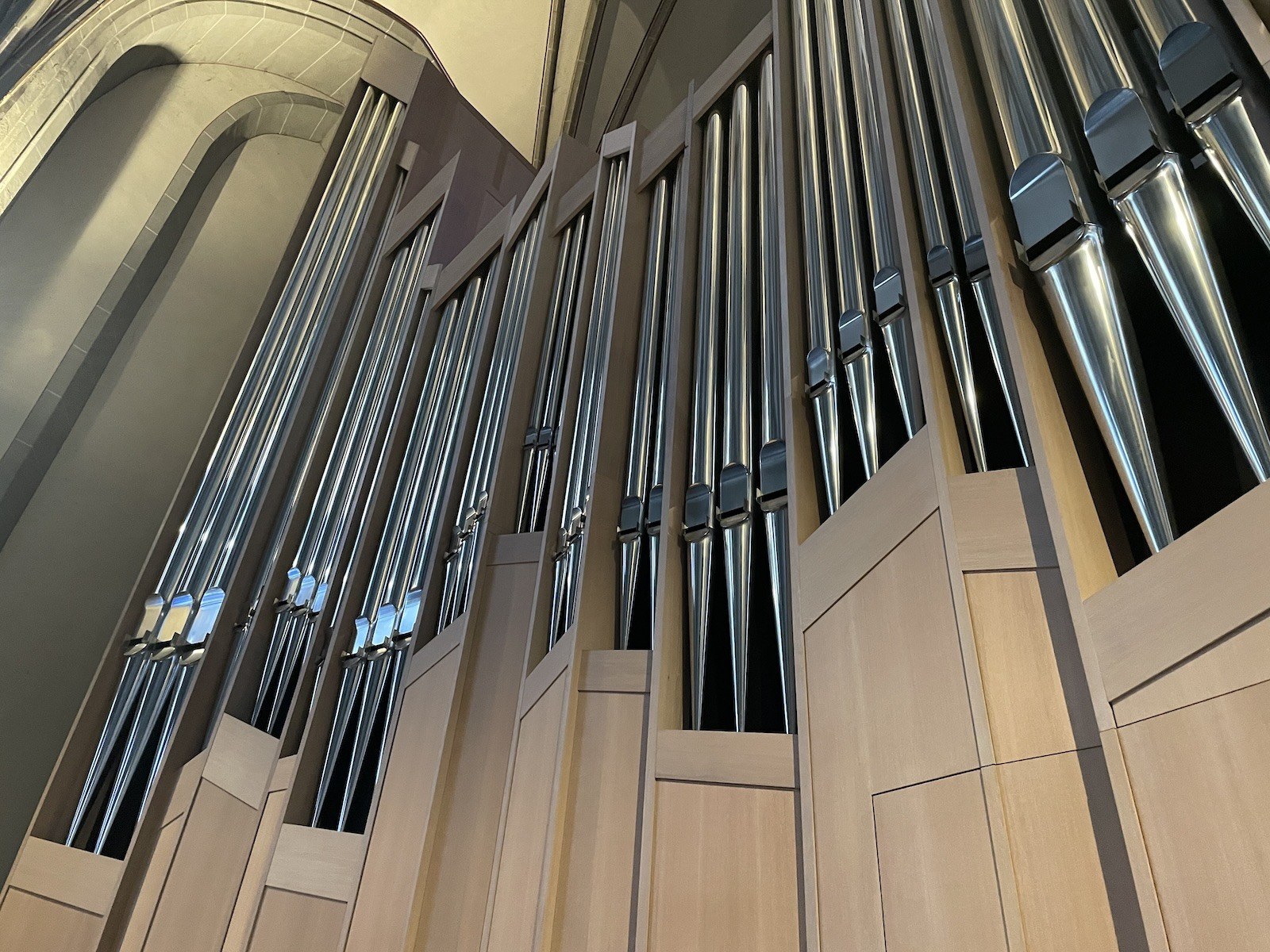
The current organ has a French symphonic tonal design and features 42 stops that blend beautifully with the acoustics of the Gothic space. The pedal towers on either side of the organ façade are shaped to subtly echo the form of the original tower — a discreet reference to the tragic event.
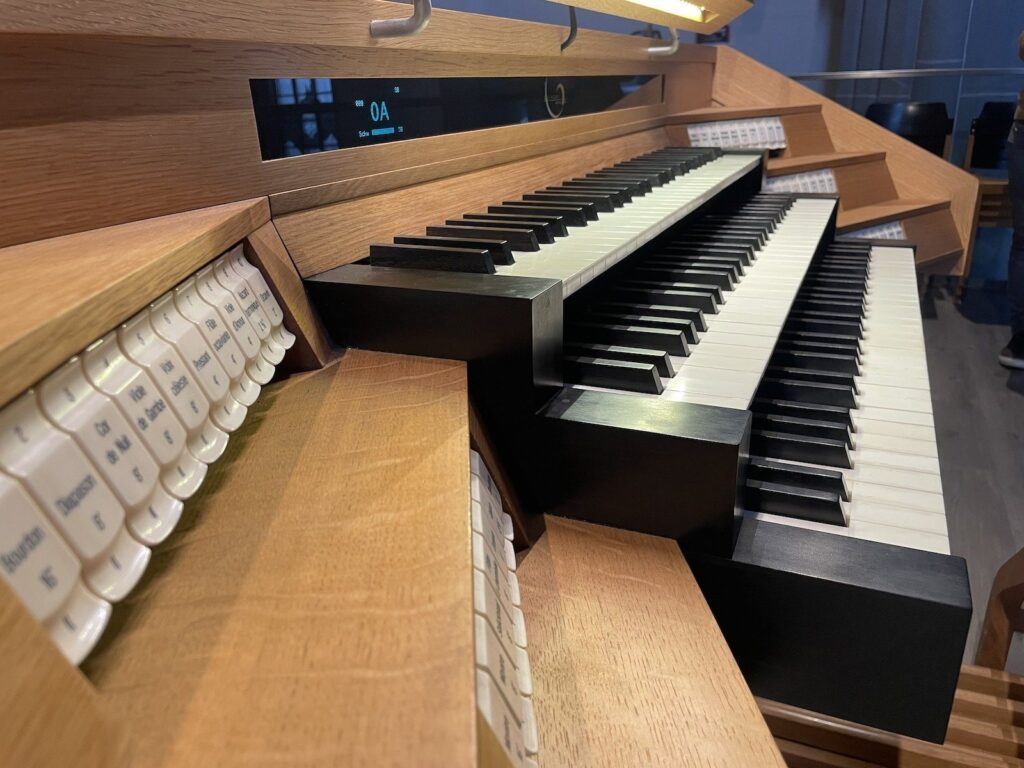
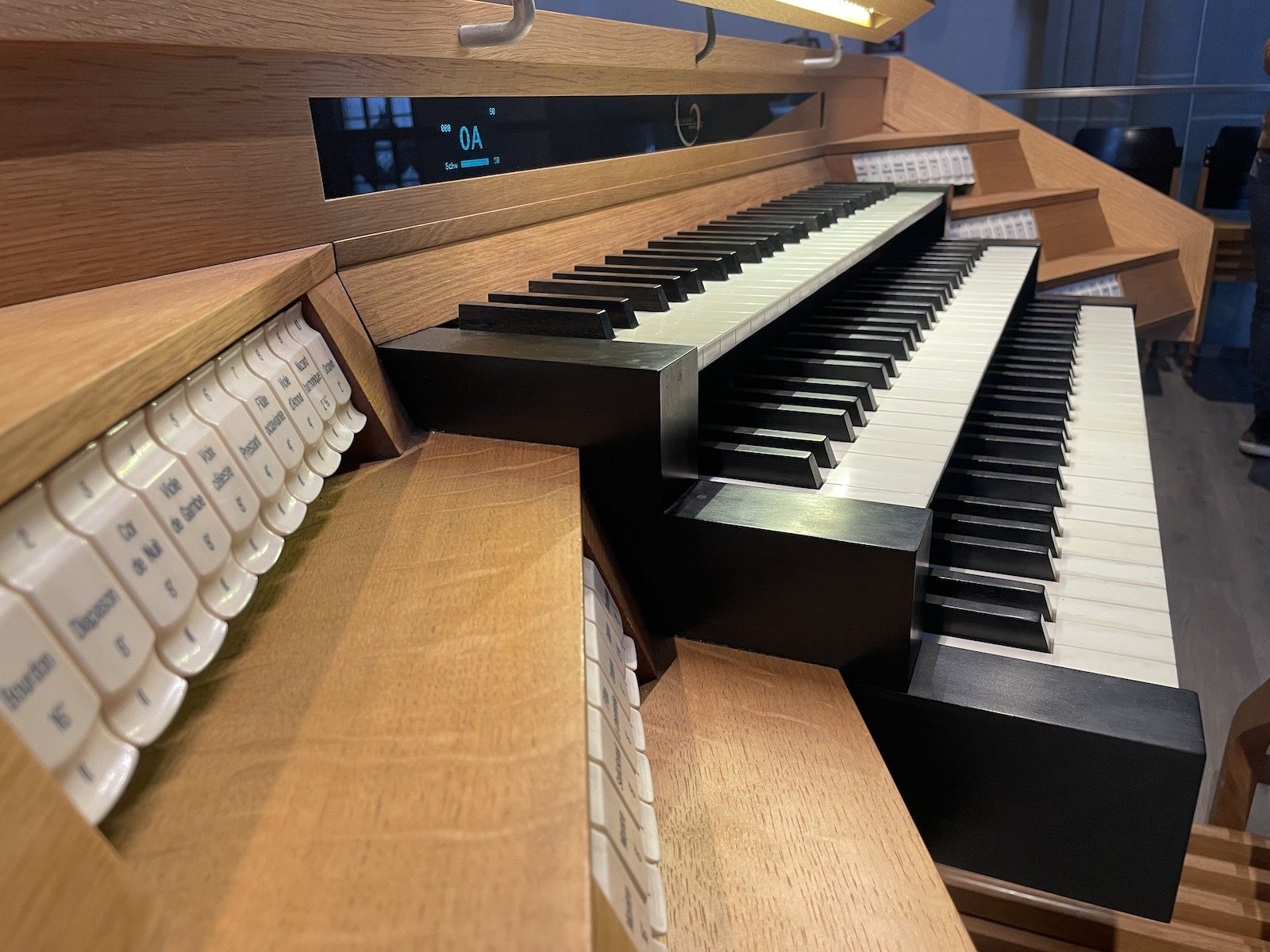
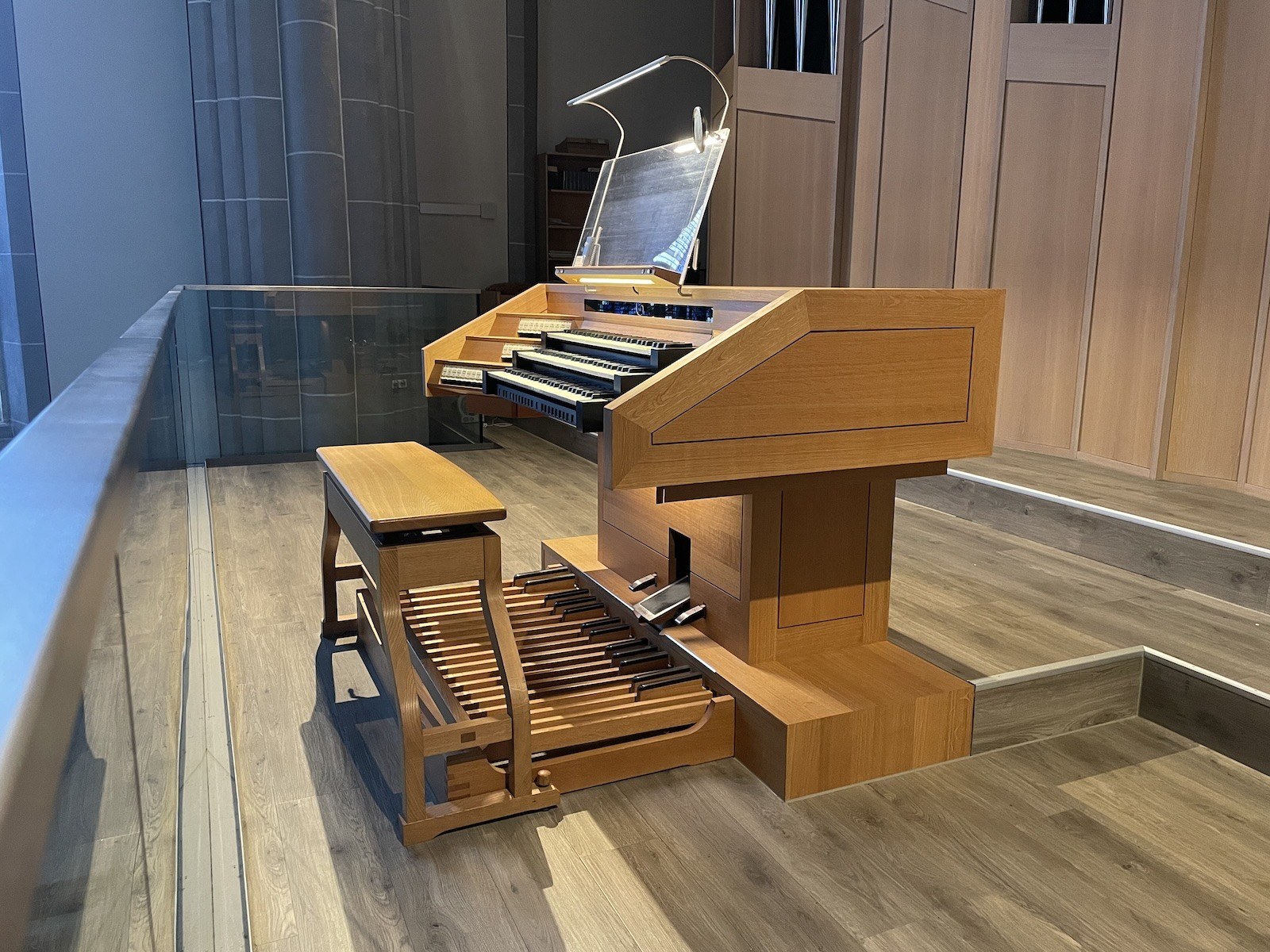
The organ comprises three manuals: the Grand Orgue (I), the Récit expressif (II) with swell box, the Solo (III), and the Pédale. The action is mechanical, except for the Solo division. With a powerful range of principal stops from 16′ to 2′, the Grand Orgue offers a solid foundation — ideal for supporting the reed stops. The Récit provides great versatility with warm string stops and the characterful Voix Humaine 8′. The Solo division, inspired by Cavaillé-Coll’s work — particularly the organ in the Abbey of Saint-Ouen in Rouen — offers additional colours through its exquisite flute stops and the rare Violoncelle 8′.
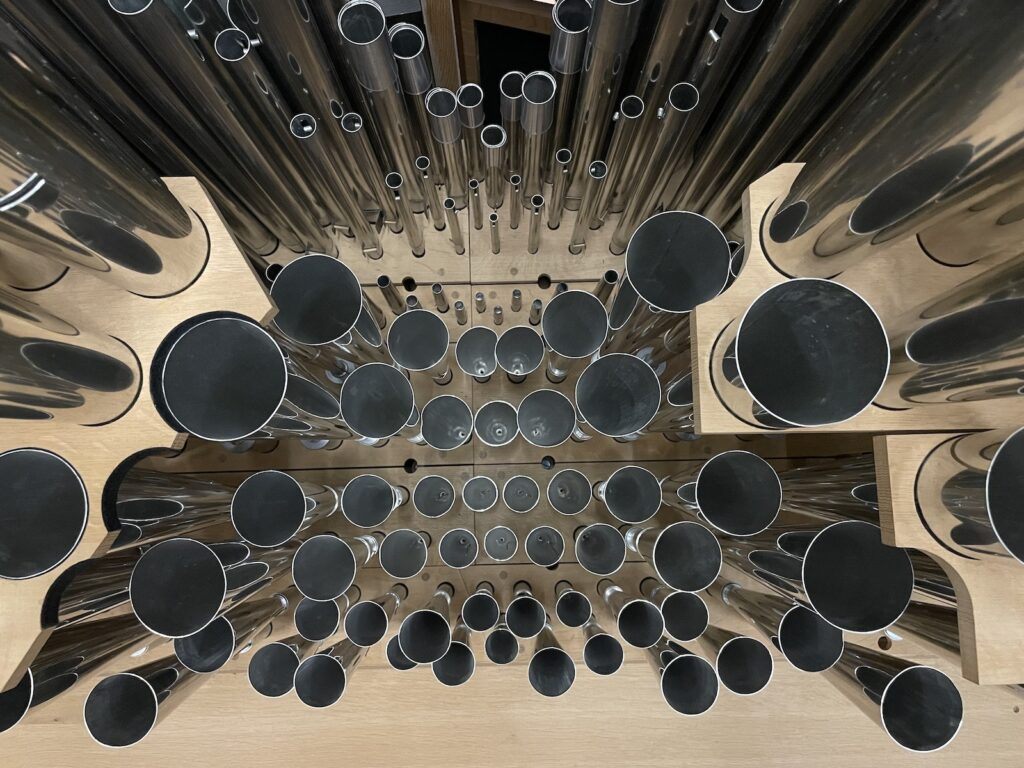
The Grand Orgue itself includes only one reed stop, making it necessary to couple the third manual to the first in order to access the reed voices. The pedal division includes two 32′ stops — the Sousbasse and the Violonbasse — with the lowest pipes mounted horizontally outside the organ case due to spatial limitations. Thanks to the Super II to Pedal and Super III to Pedal couplers, the pedal division can also be used as a standalone solo voice, offering a wide range of tonal colours.
Grand-Orgue (C-g”’)
- Montre 16’
- Montre 8’
- Salicional 8’
- Flûte à cheminée 8’
- Octave 4’
- Quinte 2 2/3’
- Doublette 2’
- Cornet IV
- Mixture V
- Clarinette 8’
- II an I
- III an I
- Sub II an I
- Sub III an I
Récit Expr. (C-g”’)
- Bourdon 16’
- Diapason 8’
- Cor de Nuit 8’
- Viole de Gambe 8’
- Voix céleste 8’
- Prestant 4’
- Flûte octaviante 4’
- Viole d’Amour 4’
- Nasard harm. 2 2/3’
- Octavin 2’
- Tierce harm. 1 3/5’
- Plein Jeu IV
- Cor d’Harmonie 16’
- Trompette harm. 8’
- Basson-Hautbois 8’
- Voix humaine 8’
- Tremblant fort
- III an II
- Sub II
Solo (C-g”’)
- Montre 8’
- Flûte harmonique 8’
- Violoncelle 8’
- Flûte conique 4’
- Basson 16’
- Trompette 8’
- Clairon 4’
- Sub III
- II an III
Pédale (C-f')
- Violonbasse 32’
- Soubasse 32’
- Flûte 16’
- Violonbasse 16’
- Soubasse 16’
- Basse ouvert 8’
- Bourdon 8’
- Octave 4’
- Bombarde 16’
- I an P
- II an P
- III an P
- Super II an P
- Super III an P