

The sound of Maarschalkerweerd, rich and harmonious
Dordrecht (NL)
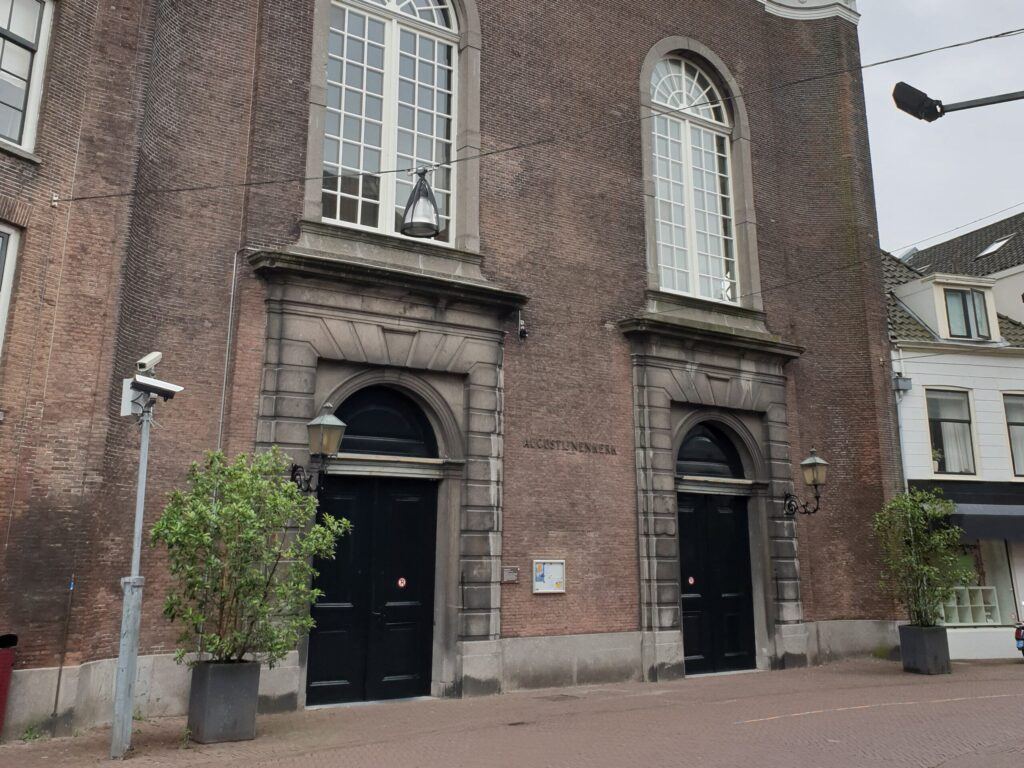
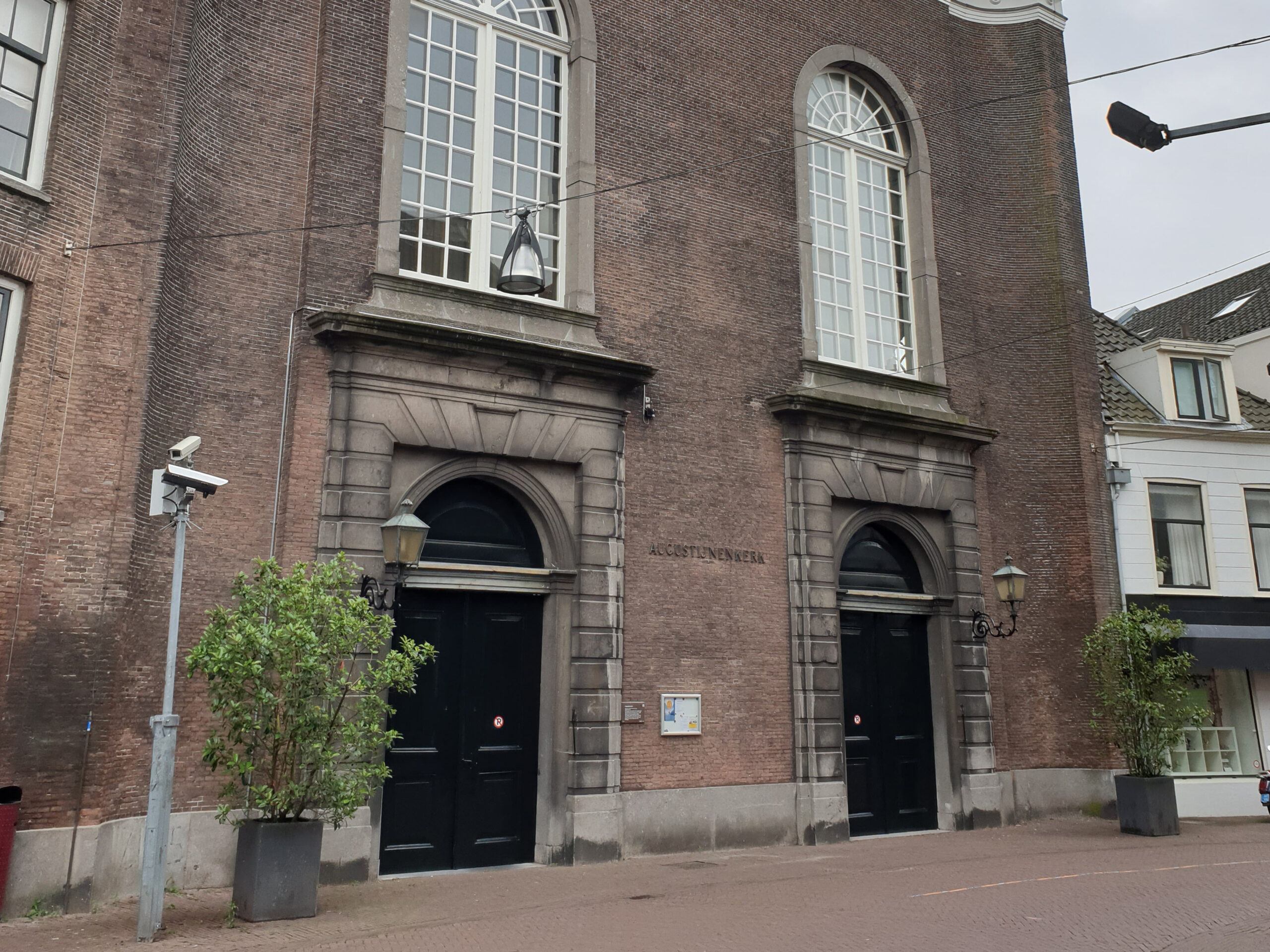
Augustijnenkerk
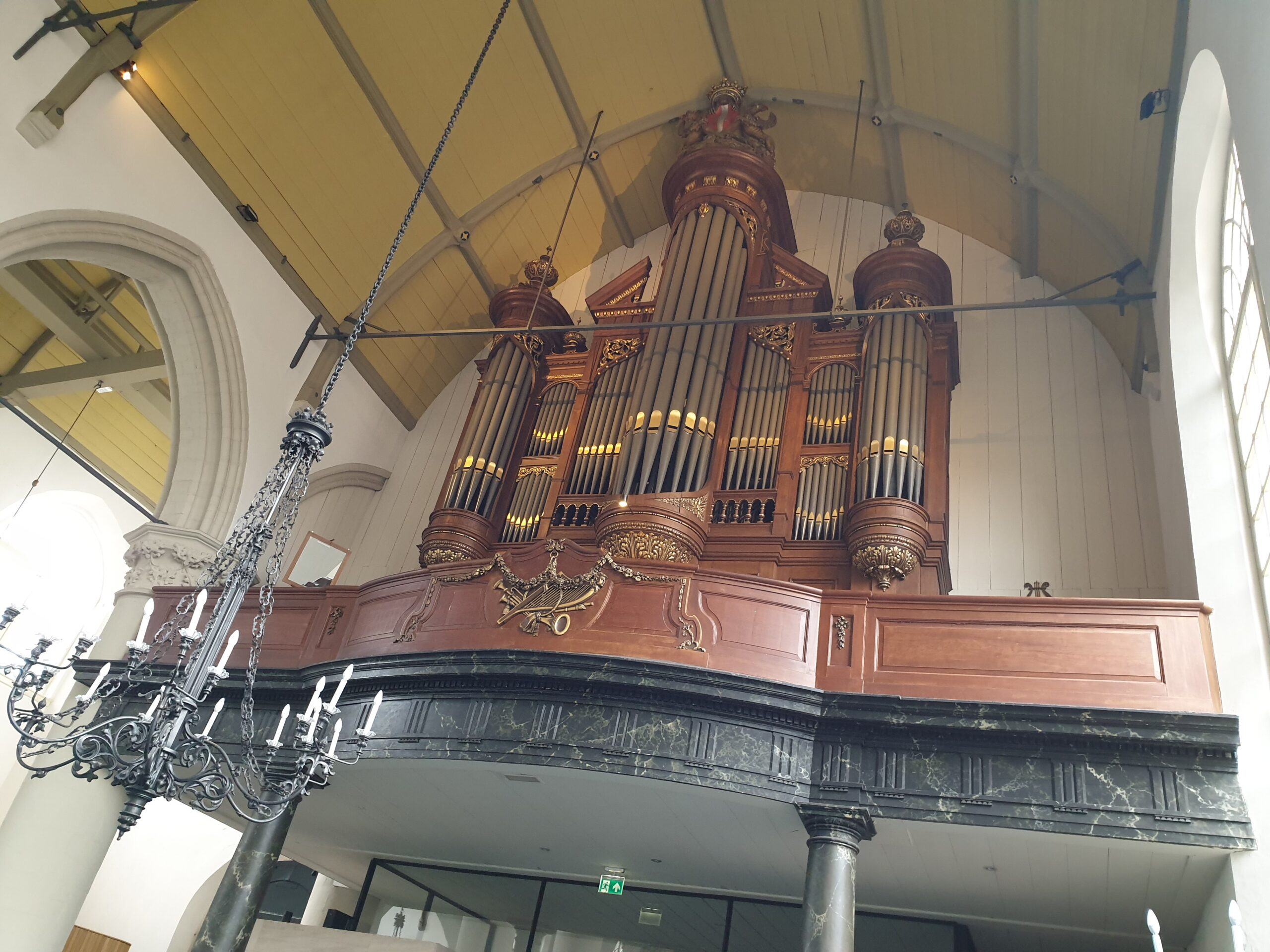
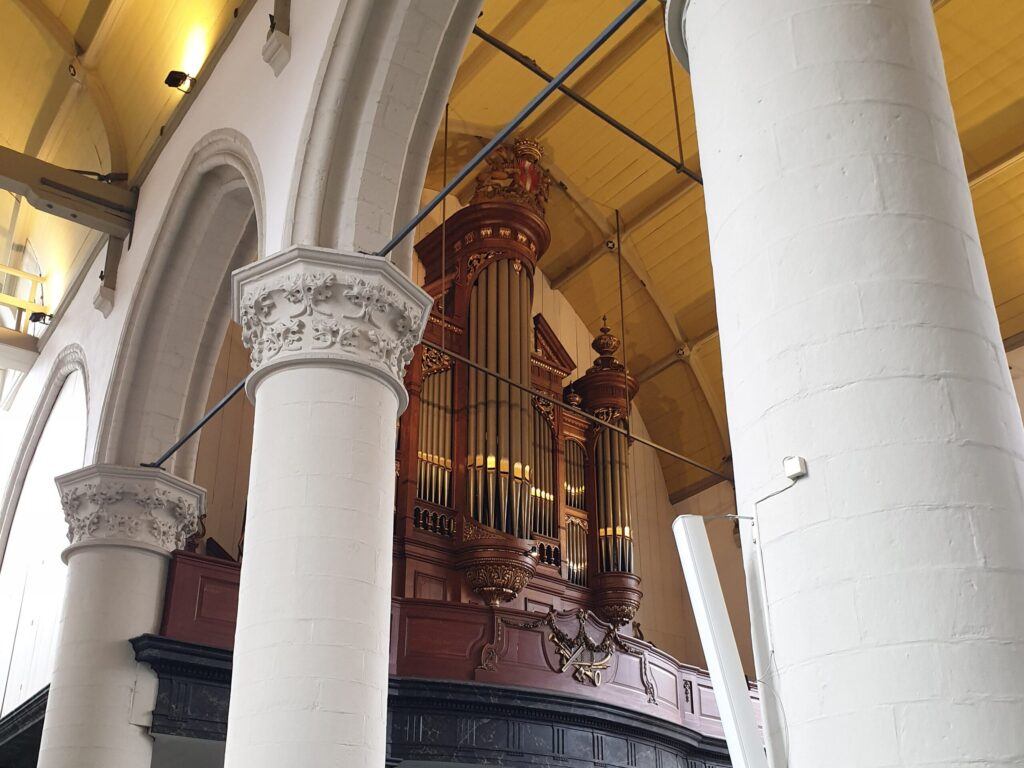
Maarschalkerweerd 1899, IIP/27

Information
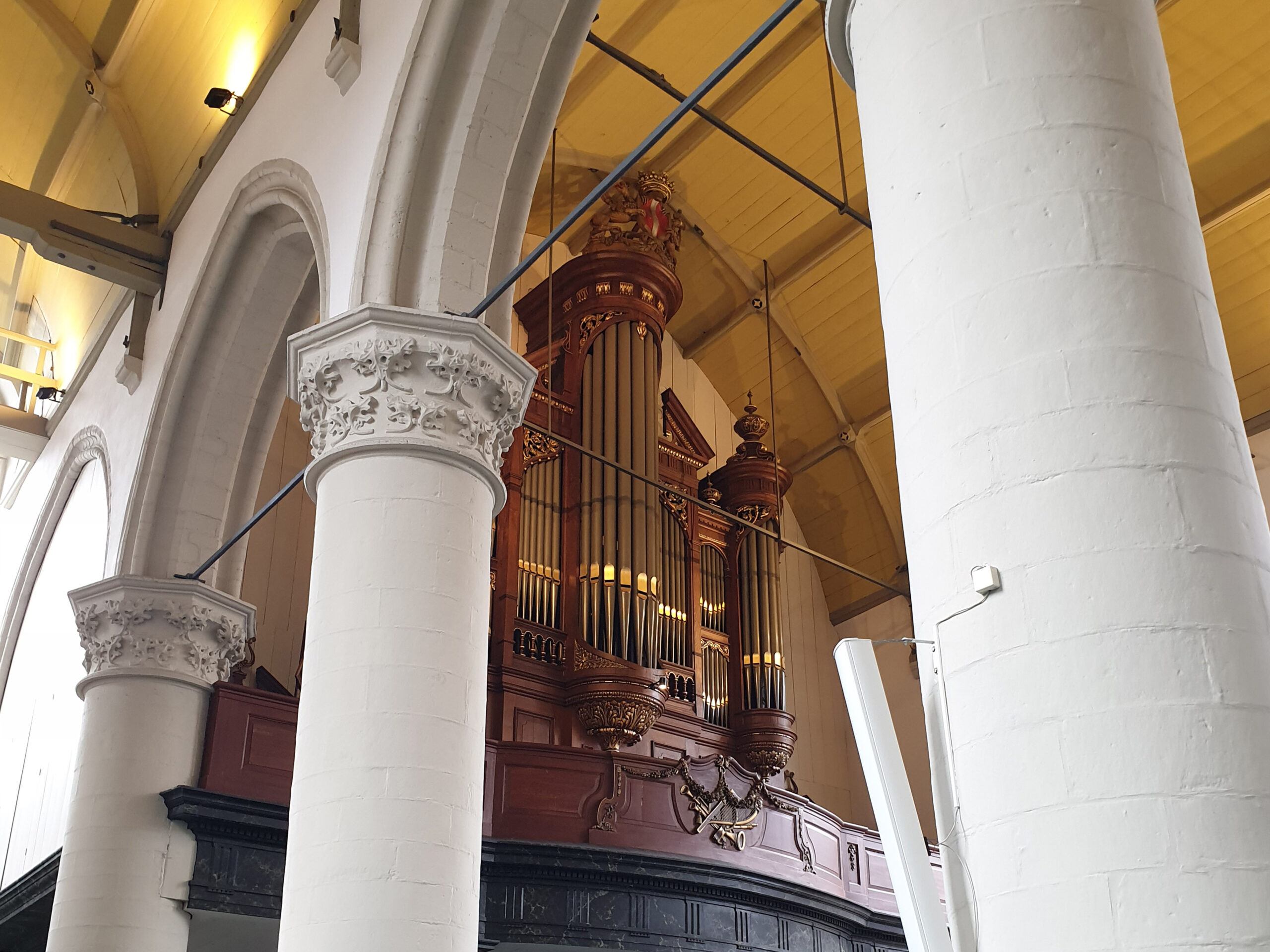
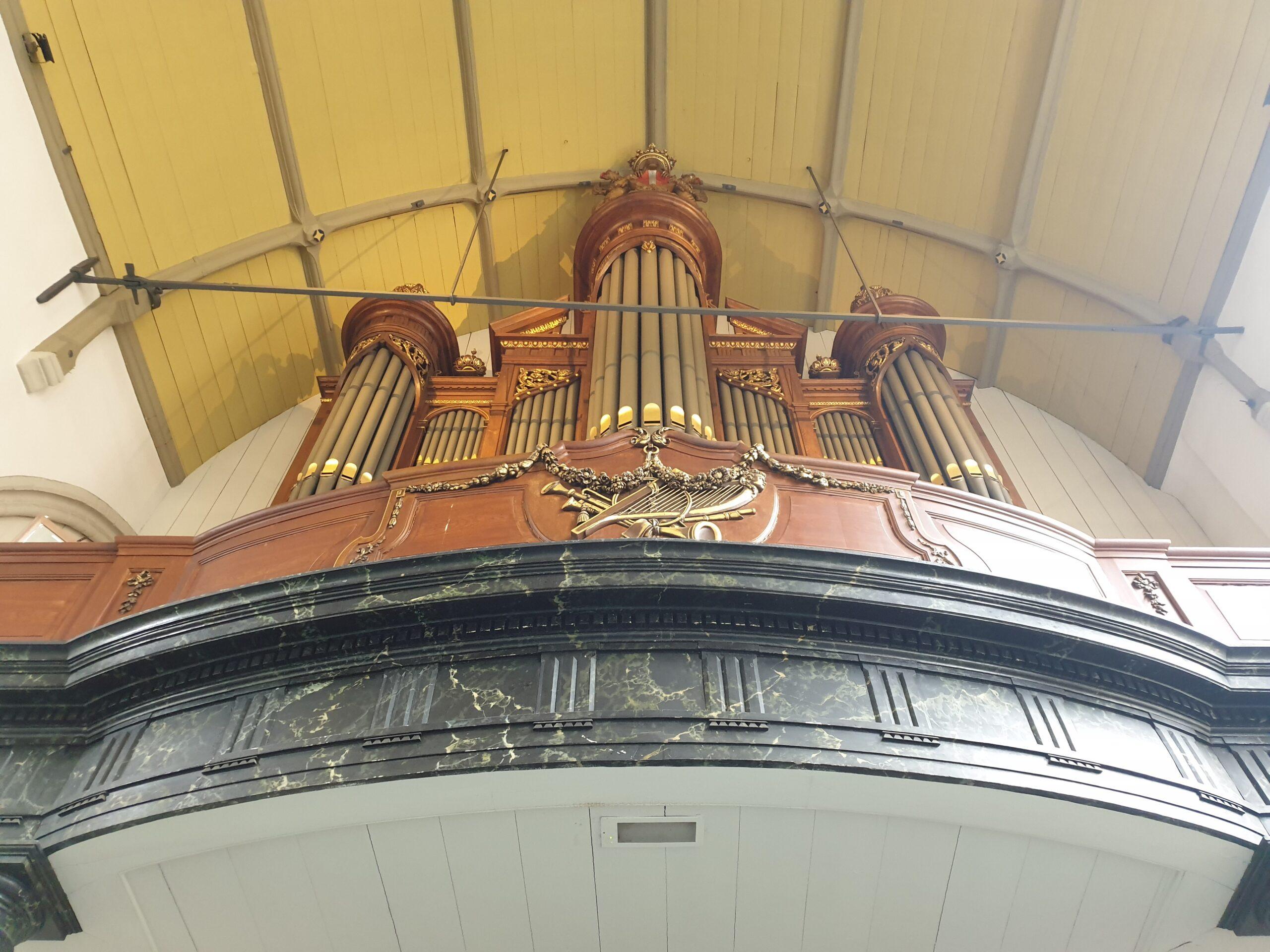
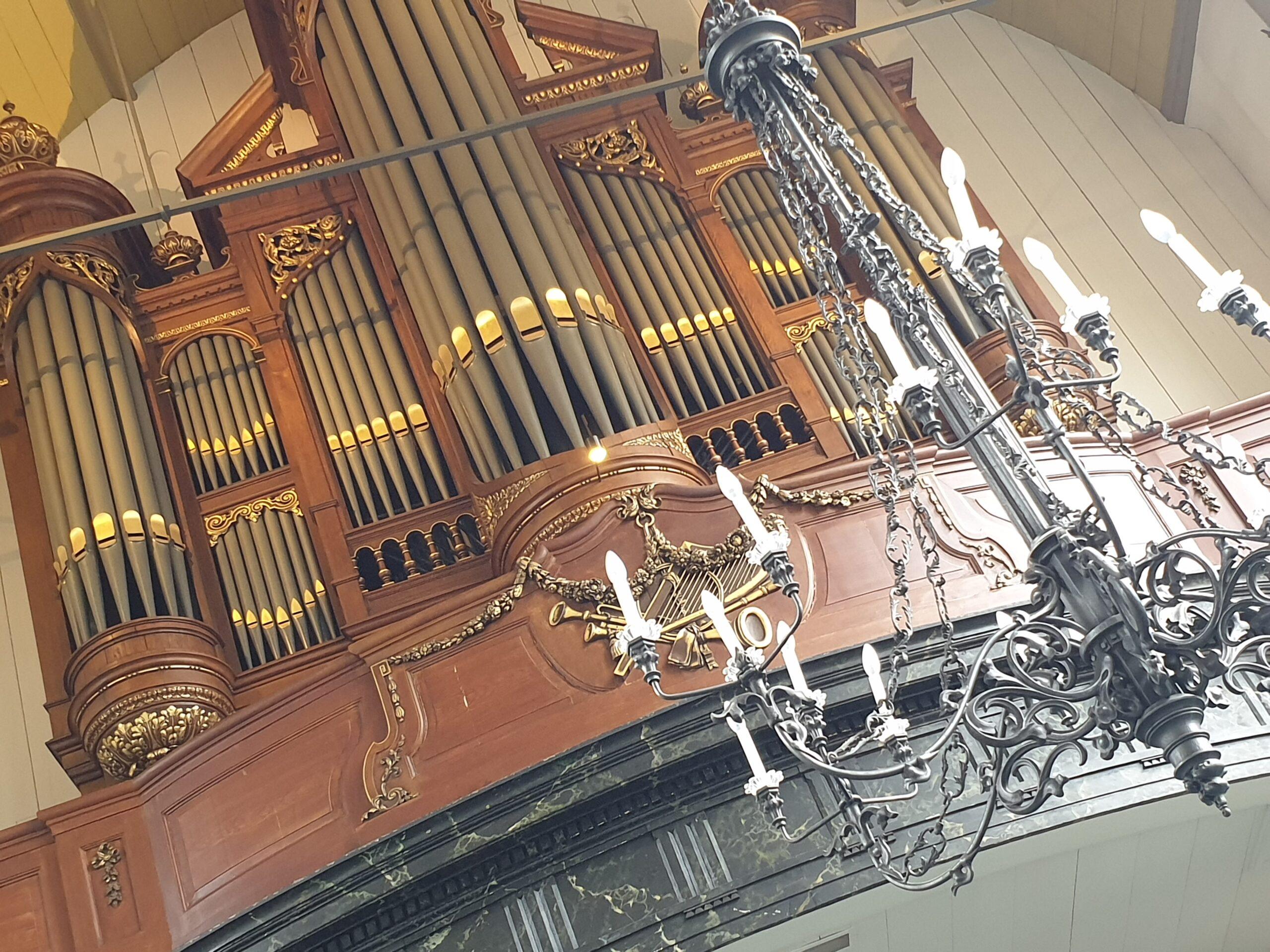
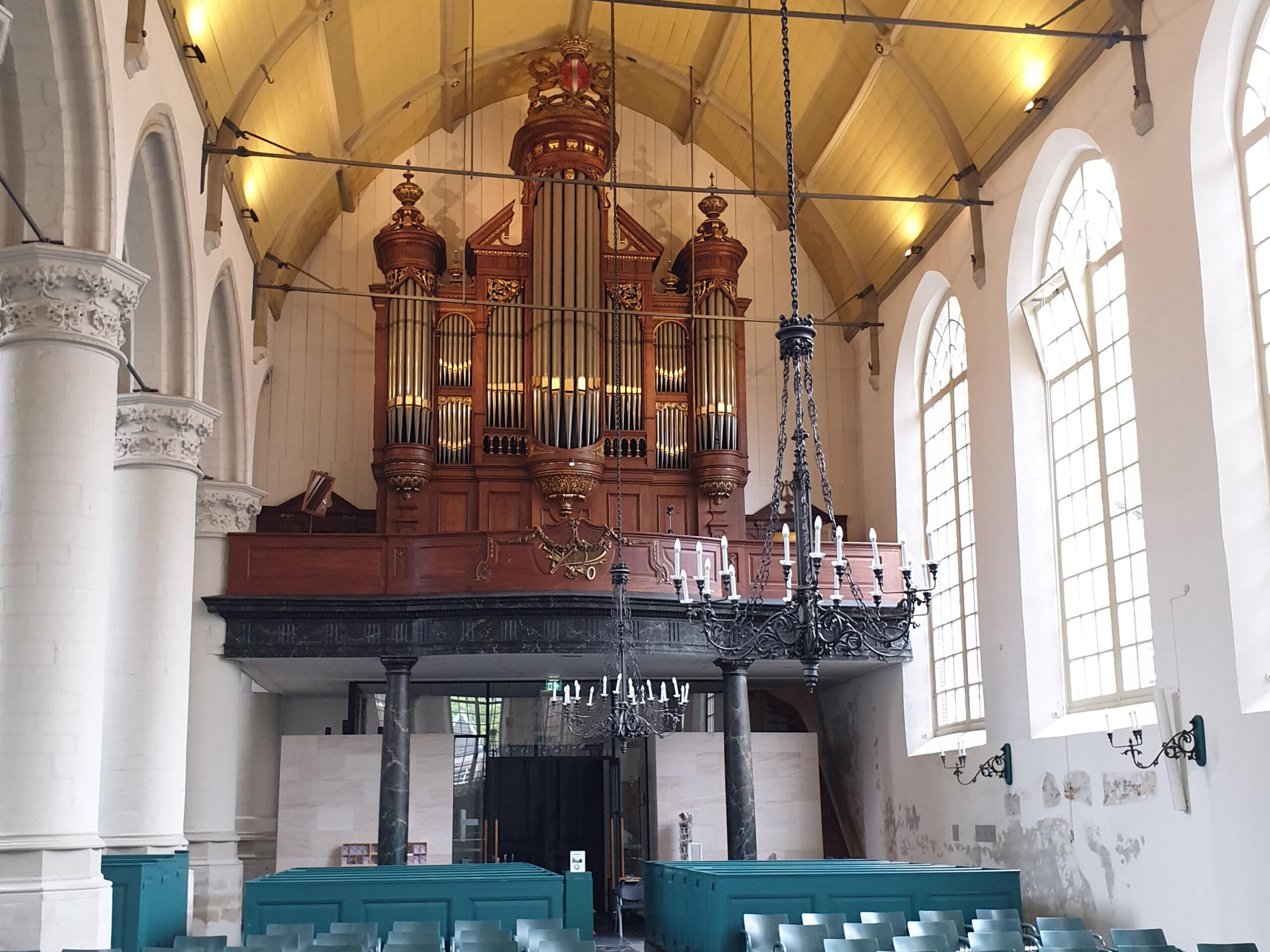
In 1897, Dr. J.J. Stronck, emeritus minister in Dordrecht, donated 25,000 guilders for the construction of a new organ. Among his conditions were that the old balustrade should remain in place, and that the coat of arms of Dordrecht, formerly positioned above the old organ, should be incorporated into the new organ case. The instrument was built in 1899 by organ builder M. Maarschalkerweerd of Utrecht and was solemnly inaugurated on Sunday, 24 September of that year by Dr. J.Th.A. Jonker.
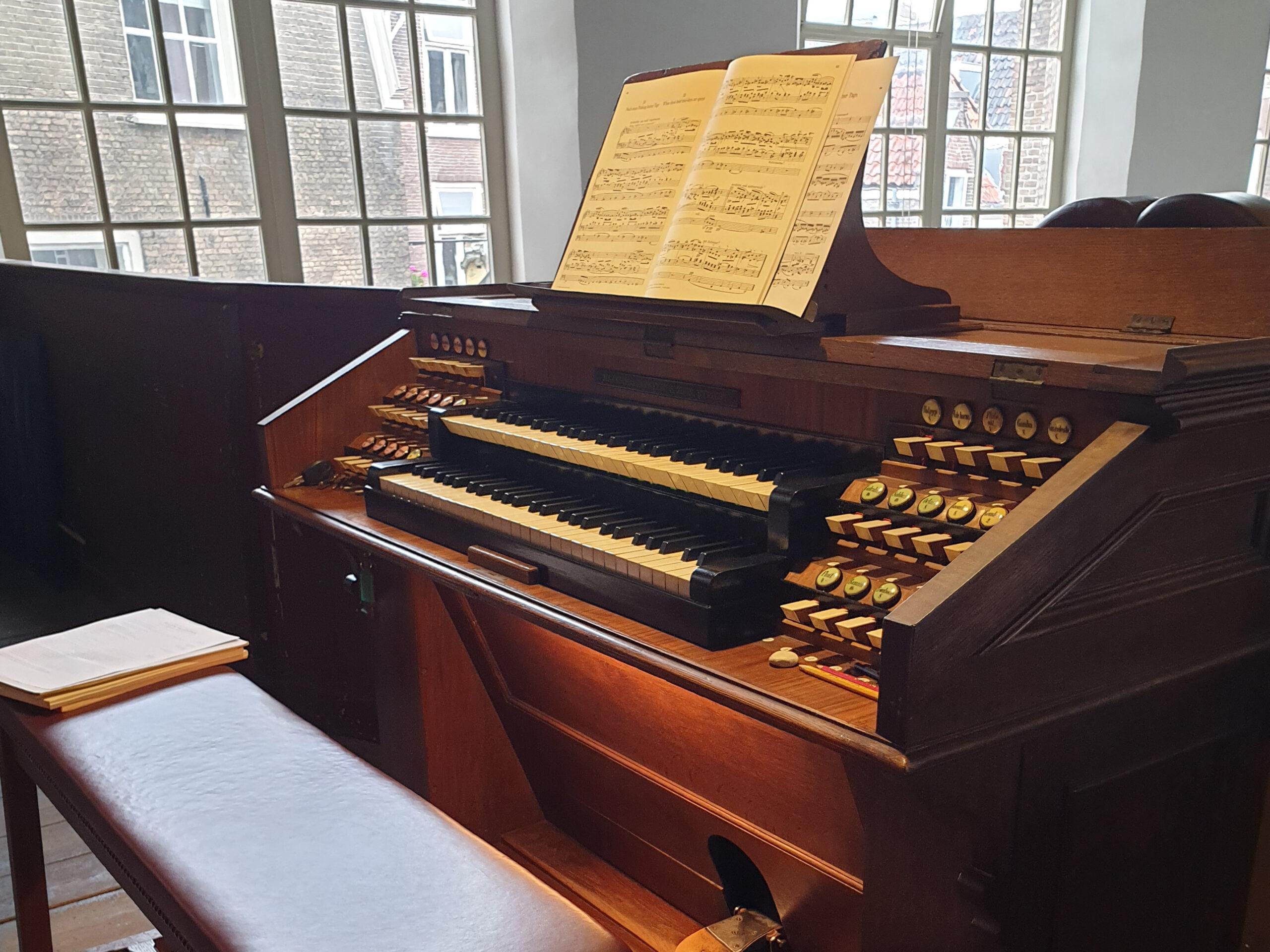
The work of Maarschalkerweerd & Sons is generally divided into three stylistic periods. The Dutch period (1870–1885) featured classically inspired mechanical organs, already incorporating modern elements in wind supply and tonal conception. The French period (1885–1895) introduced innovations such as the reversed freestanding console, swell box, and Barker lever. Many elements were modeled after the work of Cavaillé-Coll, including French-style reed stops and harmonic flutes. The German-French period (1895–1915) saw the replacement of mechanical action with pneumatic action and membrane chests (Weigle system), while retaining a largely French tonal aesthetic.
The organ in Dordrecht belongs to this third, German-French period. Maarschalkerweerd’s tonal character is a historically significant synthesis: it evolved from classical Dutch organ-building principles toward a style inspired by his (indirect) “mentor,” the French organ builder Aristide Cavaillé-Coll. His instruments represent a refined interpretation of the Cavaillé-Coll tradition — without abandoning their Dutch roots.
The organ has 27 stops, divided over two manuals and pedal. In the autumn of 2019, the instrument underwent major maintenance by J.J. Elbertse Orgelmakers of Soest.
Sources:
augustijnenkerk.nl
Brochure “Het Maarschalkerweerd-orgel van de Augustijnenkerk te Dordrecht”
Hoofdwerk (C-f”’)
- Prestant 16′
- Bourdon 16′
- Prestant 8′
- Roerfluit 8′
- Violoncel 8′
- Quintfluit 6′
- Octaaf 4′
- Roerfluit 4′
- Quint 3
- Octaaf 2′
- Mixtuur (2-5 st)
- Cornet (5 st)
- Trompet 8′
- ZW - HW
Zwelwerk (C-f”’)
- Holpyp 8′
- Flûte harmonique 8′
- Gamba 8′
- Vox céleste 8′
- Flûte oktaviante 4′
- Violine 4′
- Gemshoorn 2′
- Basson-Hobo 8′
- Tremulant
Pedaal (C-d’)
- Contrabas 16′
- Subbas 16′
- Octaaf 8′
- Fluit 4′
- Bazuin 16′
- Trombone 8′
- HW - Ped
- ZW - Ped