

Sublime Vater-Müller
Amsterdam (NL)
Oude Kerk
Vater-Müller 1726/1742, IIIP/54
Information
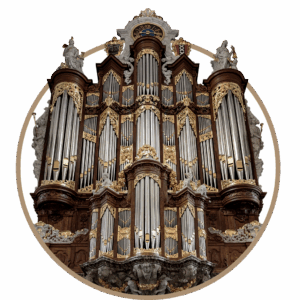
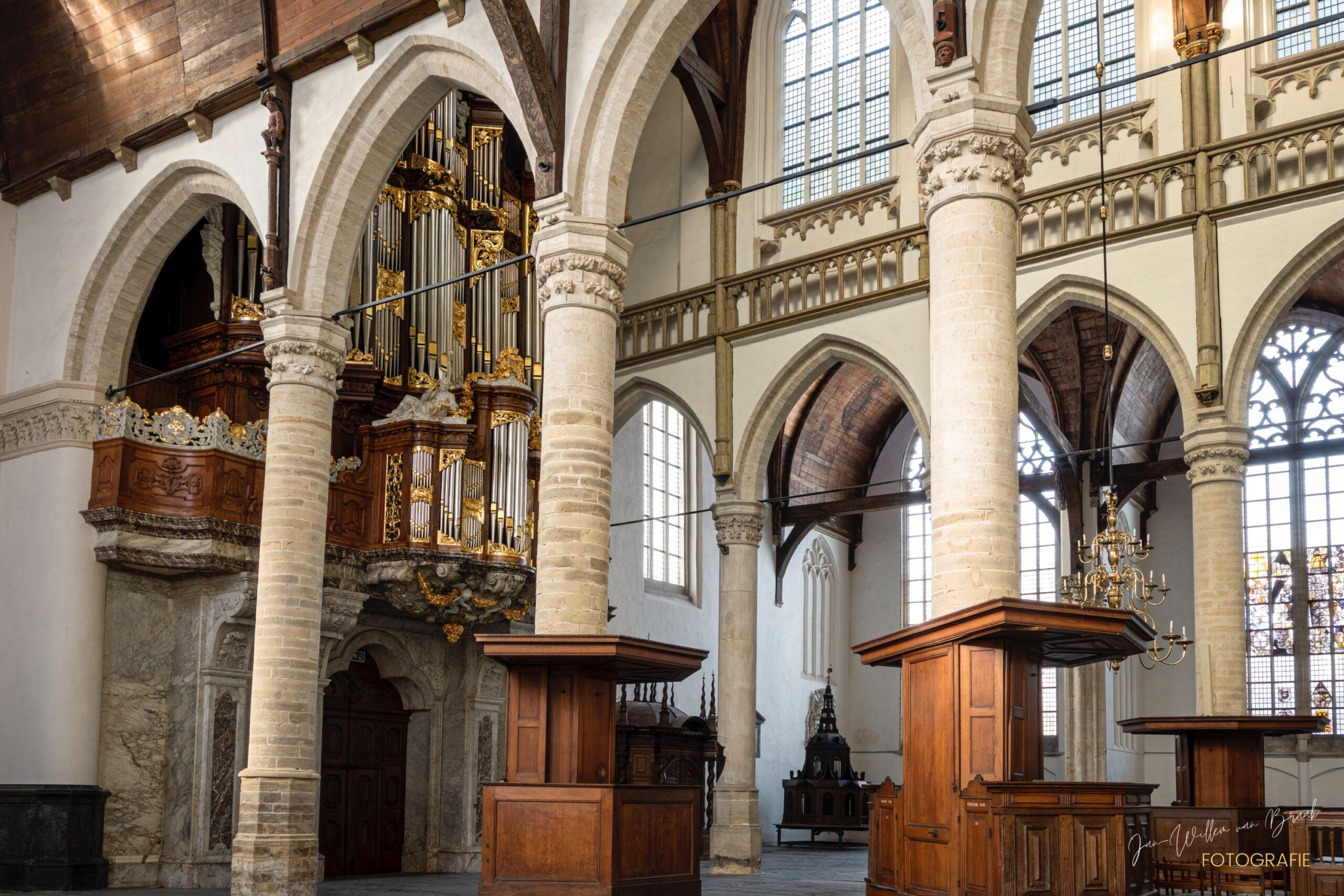
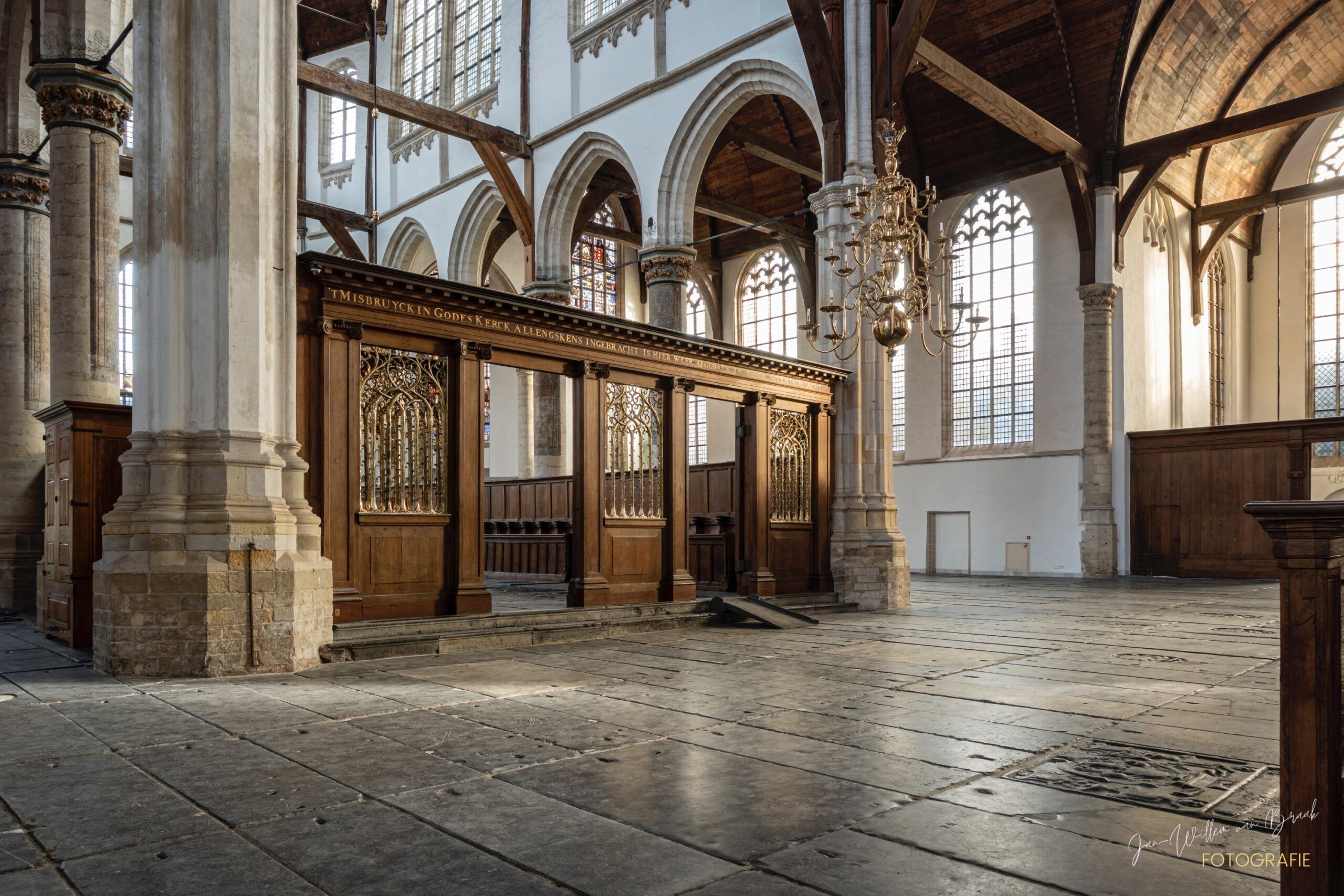
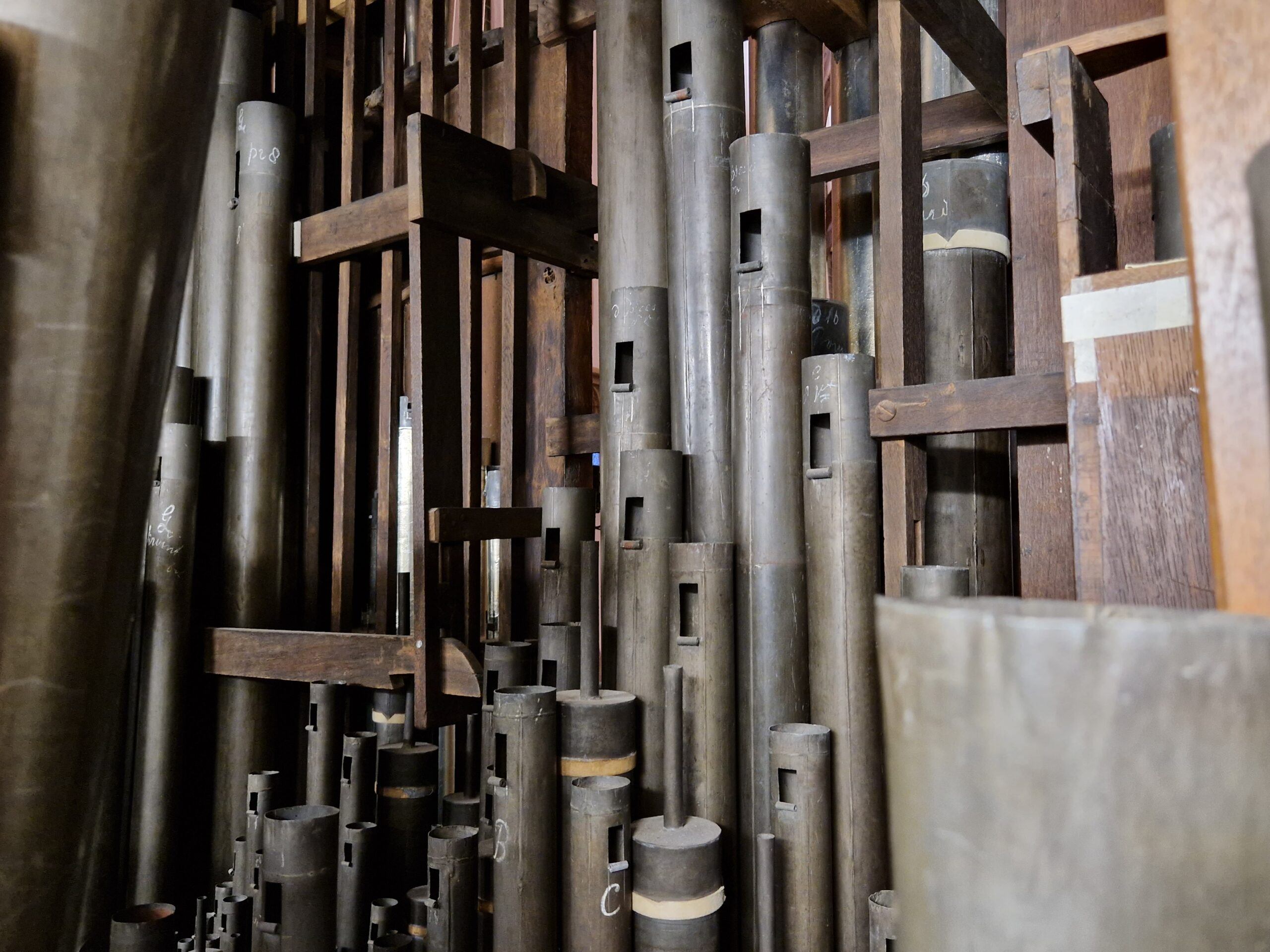
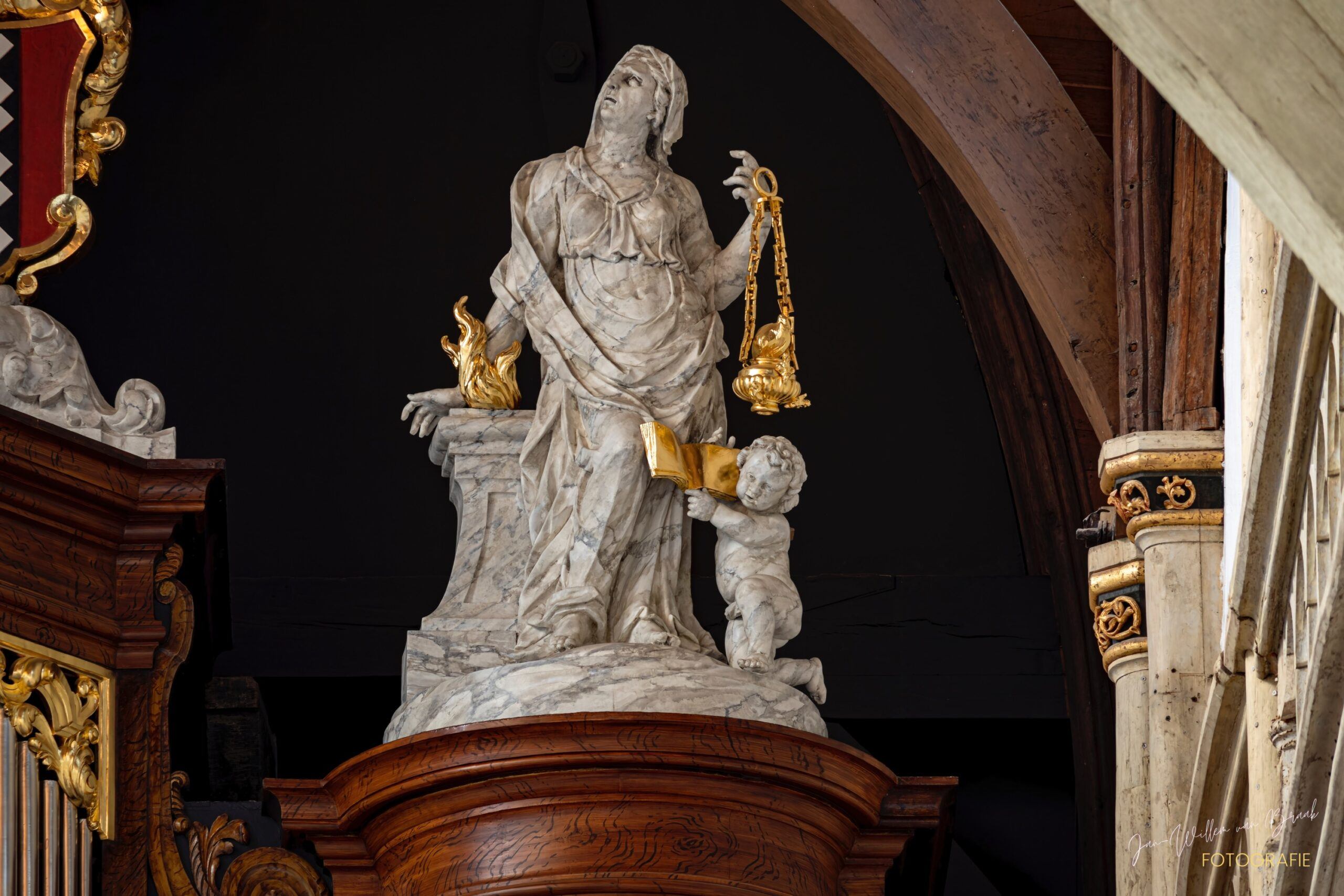
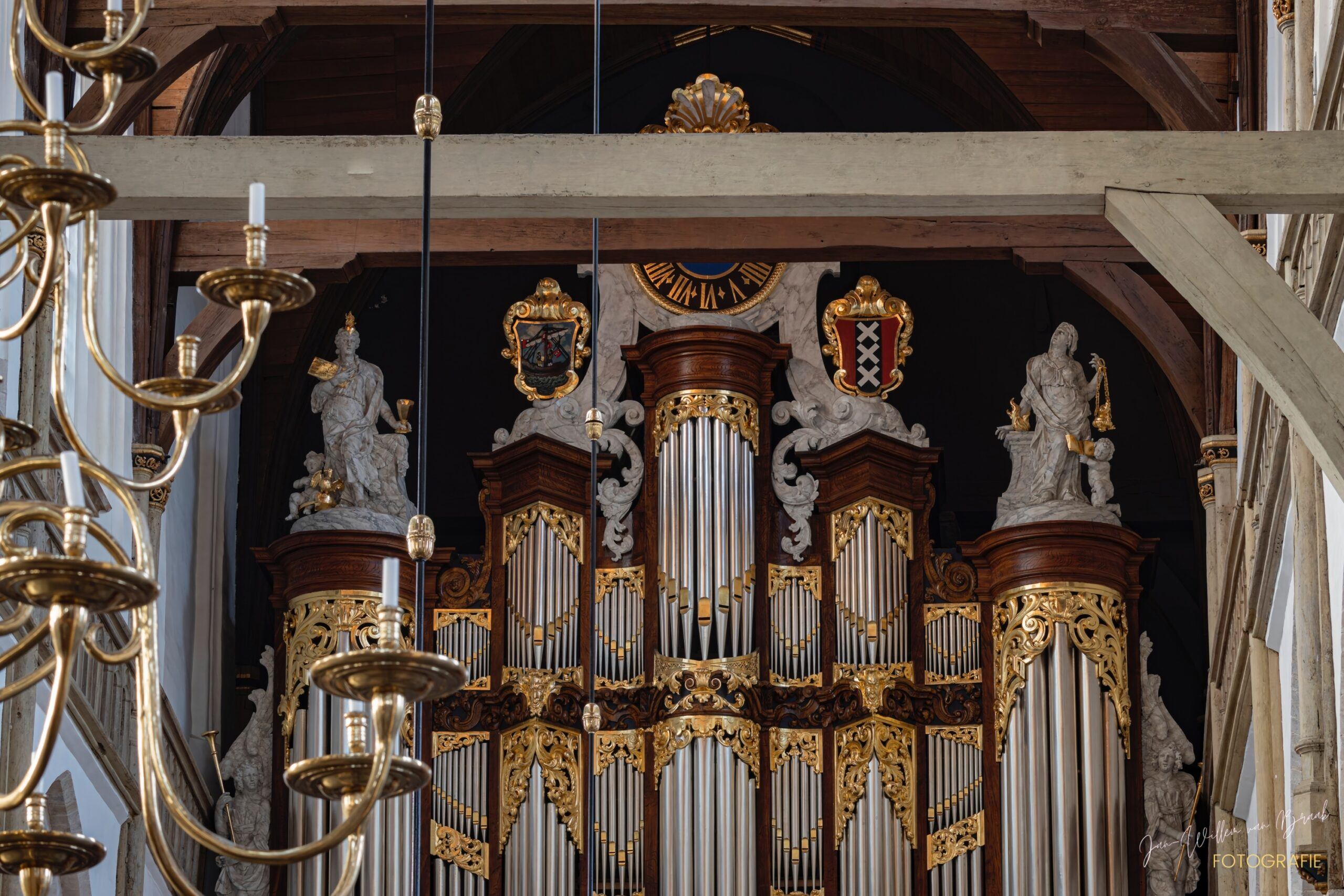
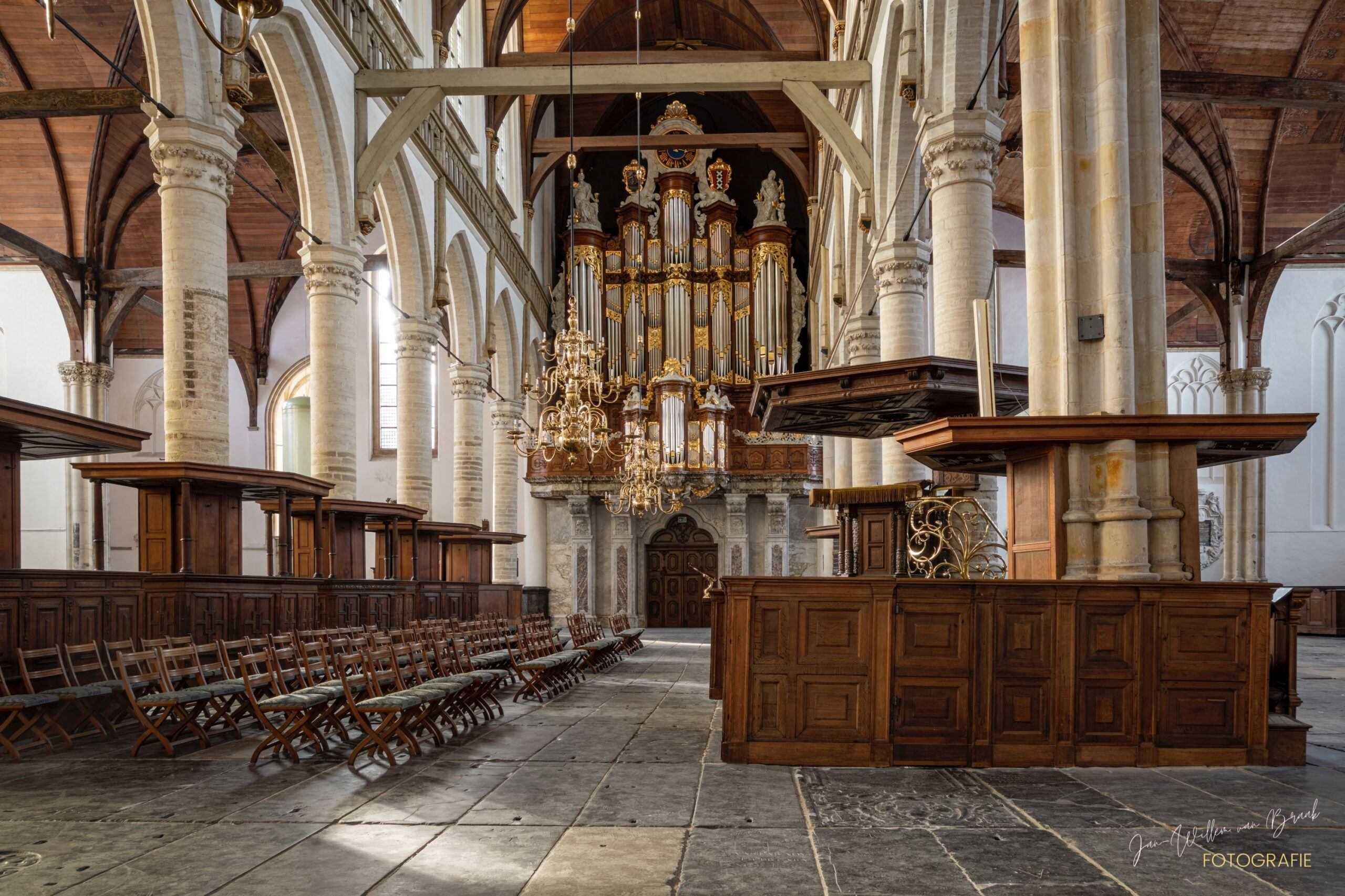
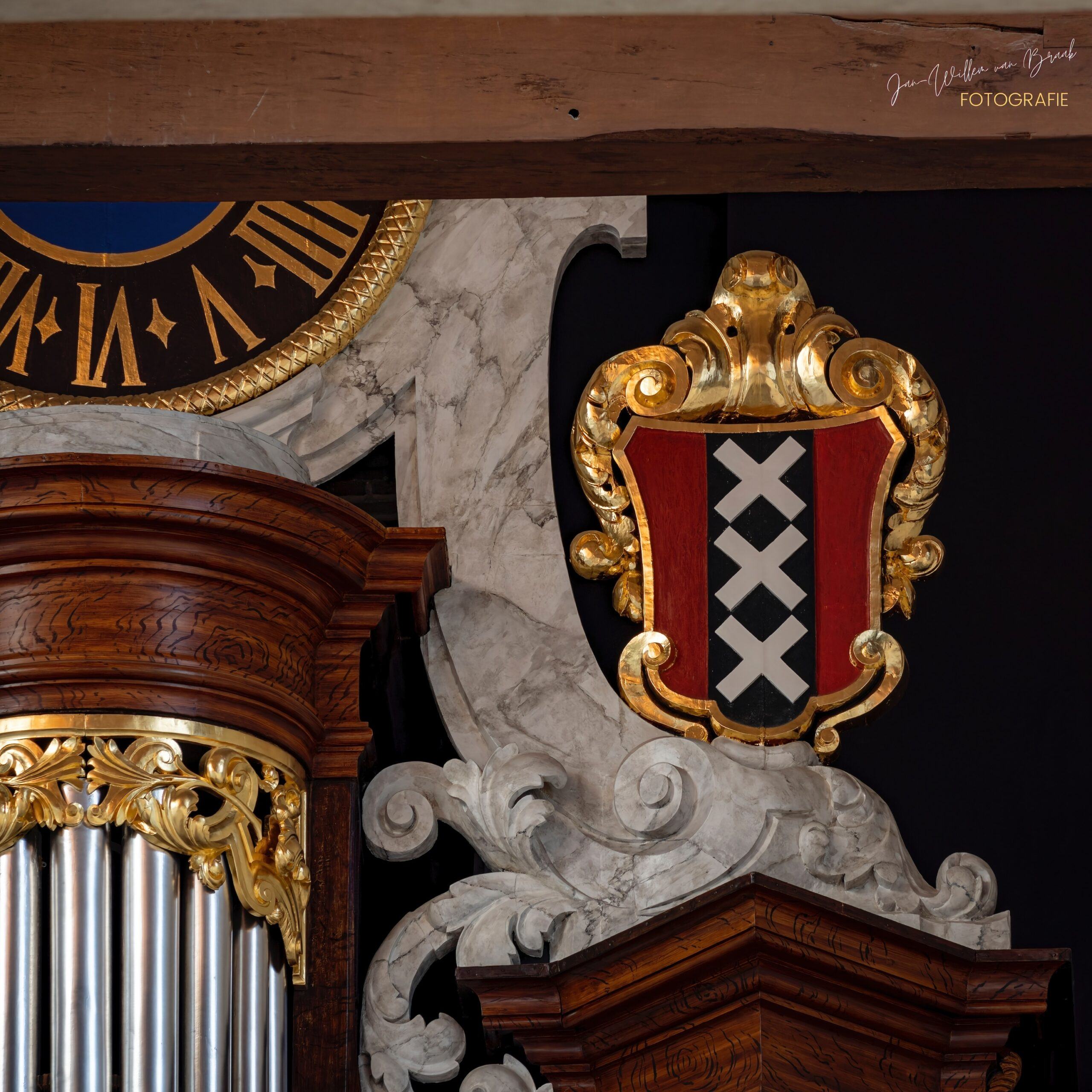
The Oude Kerk in Amsterdam is an architectural and cultural gem, best known for its two monumental organs — most notably, the Vater-Müller organ. Located at the west end of the church, this striking instrument dates back to the 18th century and was recently restored with great care.
The organ is named in honor of organ builders Christian Vater and Johann Caspar Müller, who worked on the instrument in different phases. While the original organ in the Oude Kerk dated back to the 15th century, the current Vater-Müller organ was built in the early 18th century, replacing an earlier instrument once played by the renowned composer Jan Pieterszoon Sweelinck.
Construction of the Vater organ began in 1724, but shortly after its completion, it had to be dismantled due to the risk of collapse of the church tower. After the tower’s foundations were stabilized, Johann Caspar Müller was entrusted with reinstalling and modifying the organ.
In 1870, the organ underwent a significant restoration by the firm J. Bätz & Co., led by C.G.F. Witte. The quality of this work was so highly regarded that it sparked debate in the 20th century: should future restorations remain faithful to the organ's 18th-century origins, or to its 19th-century state following Witte’s intervention?
A recent restoration, carried out between 2015 and 2019 by the firm Reil of Heerde, has returned the organ to its former glory. Re-inaugurated in May 2019, the Vater-Müller organ continues to be a treasured and respected centrepiece of the Oude Kerk, bearing witness to a rich organ tradition.
Source: oudekerk.nl
Photography: Jan-Willem van Braak and Sweelinq
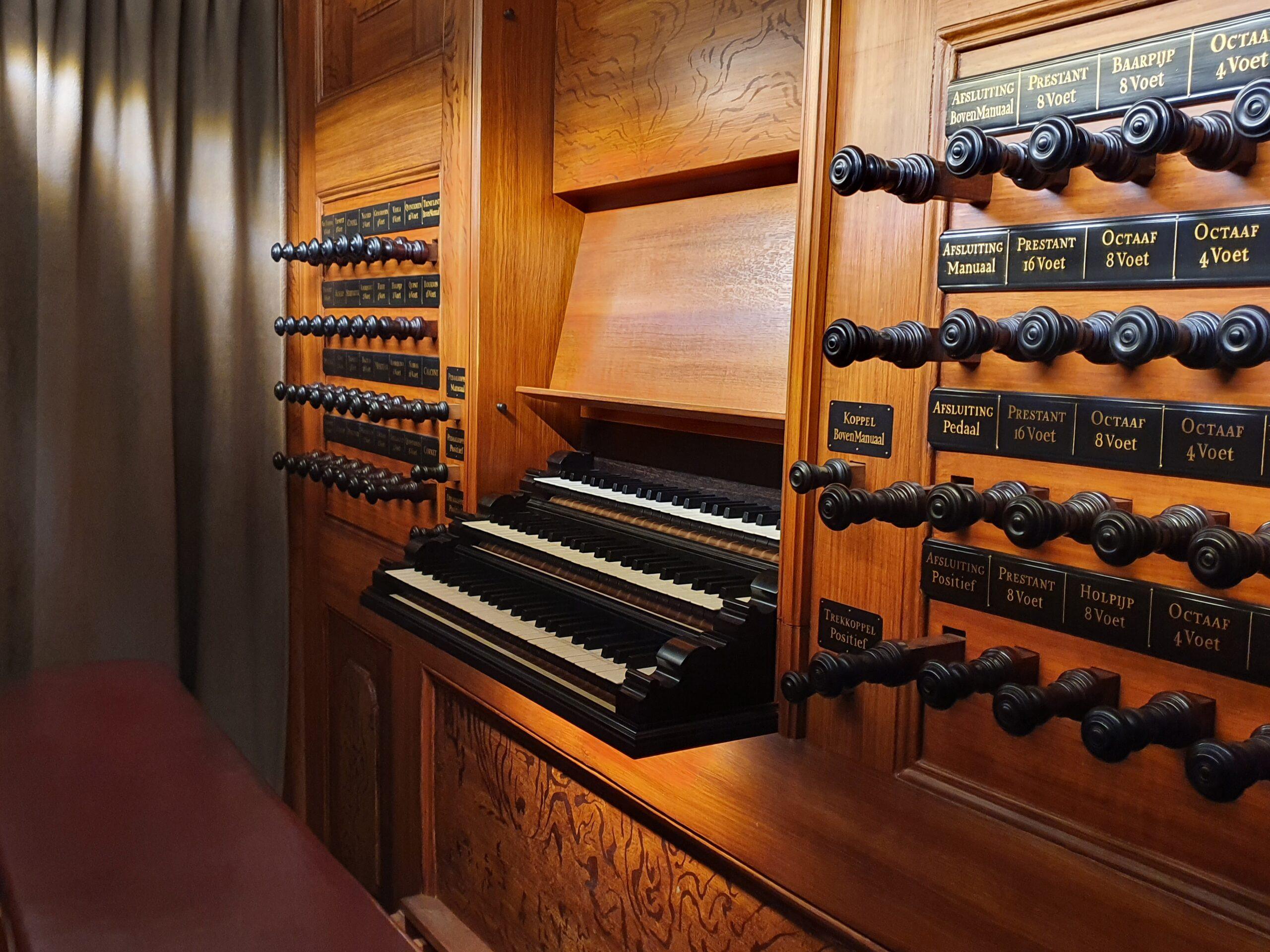
Positief (C-c”’)
- Prestant 8 Voet
- Holpijp 8 Voet
- Quintadena 8 Voet
- Octaaf 4 Voet
- Gemshoorn 4 Voet
- Quint 3 Voet
- Octaaf 2 Voet
- Woudfluit 2 Voet
- Mixtuur 5-8 Sterk
- Scherp 3-5 Sterk
- Cornet 5 Sterk
- Sexquialter 2-4 Sterk
- Carillon 3-4 Sterk
- Fagot 16 Voet
- Trompet 8 Voet
- Tremulant
- Man - Pos
Manuaal (C-c”’)
- Prestant 16 Voet
- Bourdon 16 Voet
- Prestant 8 Voet
- Holpijp 8 Voet
- Quint 6 Voet
- Octaaf 4 Voet
- Roerfluit 4 Voet
- Roerquint 3 Voet
- Octaaf 2 Voet
- Fluit 2 Voet
- Mixtuur 5-8 Sterk
- Scherp 4-6 Sterk
- Sexquialter 4 Sterk D
- Trompet 16 Voet
- Trompet 8 Voet
- Tremulant
- BovMan - Man
- Pos - Man
BovenManuaal (C-c”’)
- Quintadeen 16 Voet
- Prestant 8 Voet
- Baarpijp 8 Voet
- Quintadena 8 Voet
- Viola 8 Voet
- Octaaf 4 Voet
- Gemshoorn 4 Voet
- Nazard 3 Voet
- Sexquialter 4 Sterk
- Cimbel 3 Sterk
- Trompet 8 Voet
- Dulciaan 8 Voet
- Vox Humana 8 Voet
- Tremulant
Pedaal (C-d’)
Prestant 16 Voet
- Subbas 16 Voet
- Prestant 8 Voet
- Roerquint 6 Voet
- Octaaf 4 Voet
- Nachthoorn 2 Voet
- Mixtuur 6 Sterk
- Bazuin 16 Voet
- Trompet 8 Voet
- Trompet 4 Voet
- Cinq 2 Voet
- Pos - Ped
- Man - Ped
The original manual compass consists of 49 keys (C–c’’’), expandable to 56 keys (C–g’’’) with the Premium plan.
The original pedal compass consists of 27 keys (C–d’), expandable to 30 keys (C–f’) with the Premium plan.