
A true Cavaillé-Coll masterpiece
Poligny (FR)
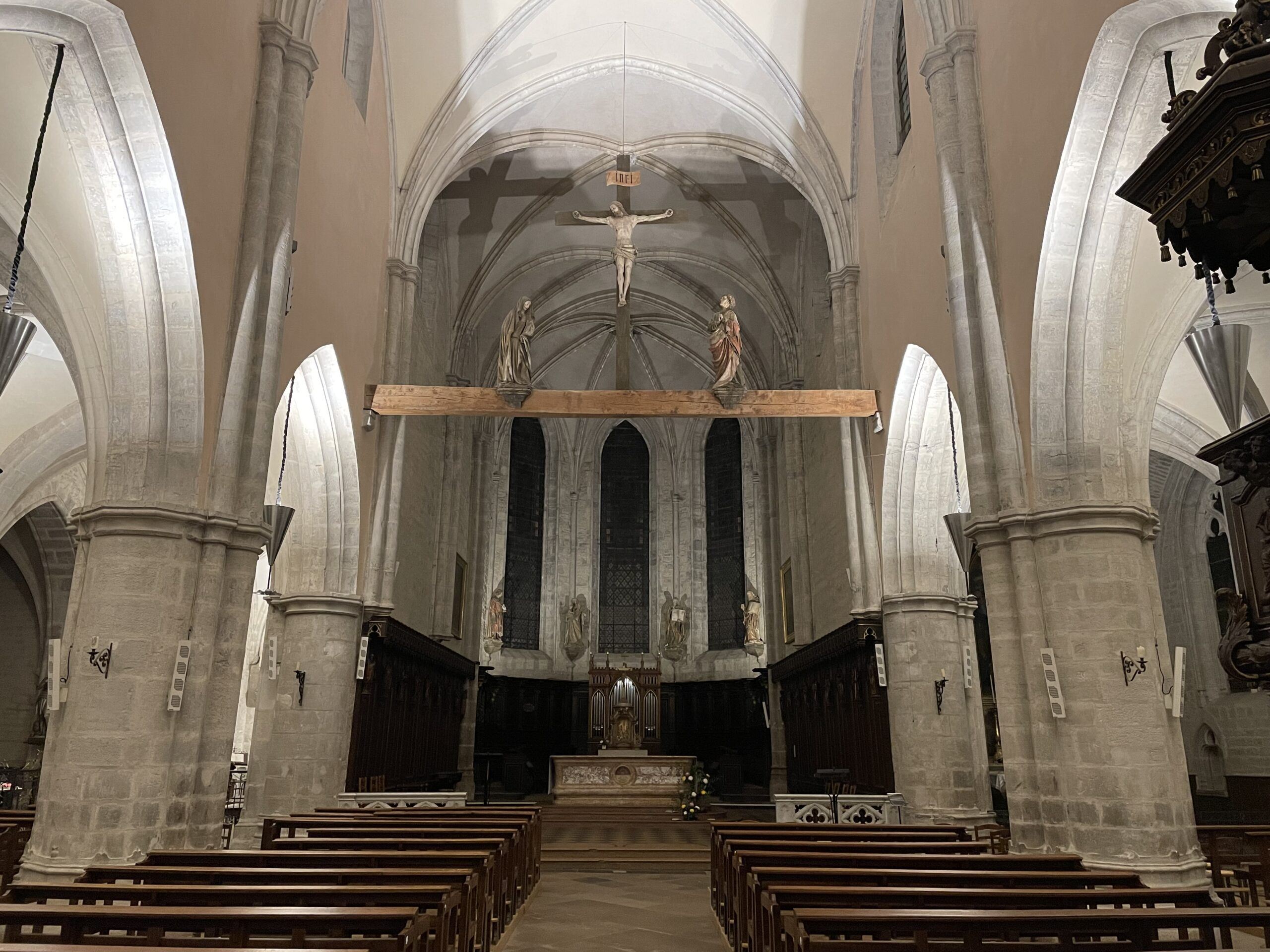
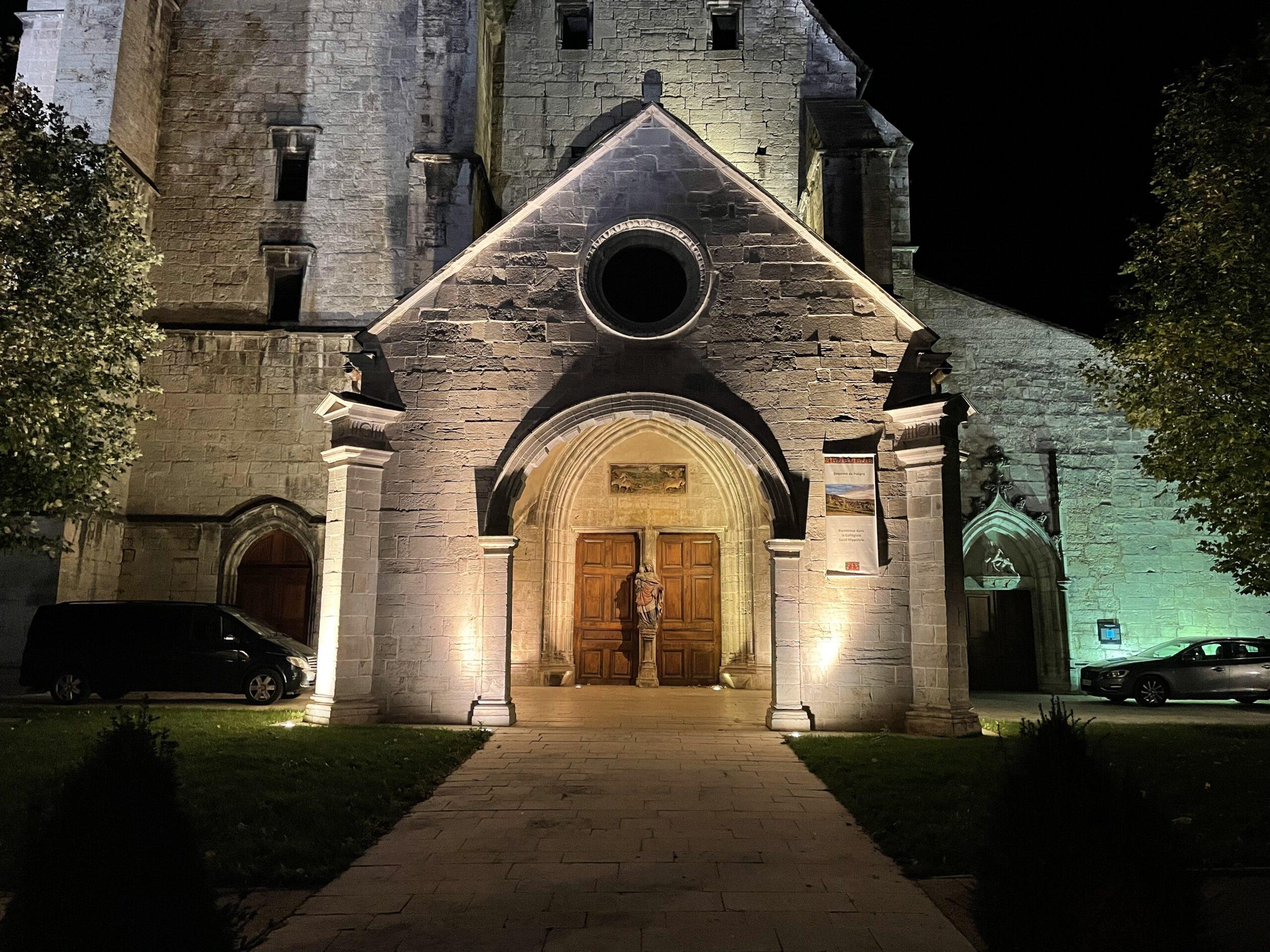
Saint-Hippolyte
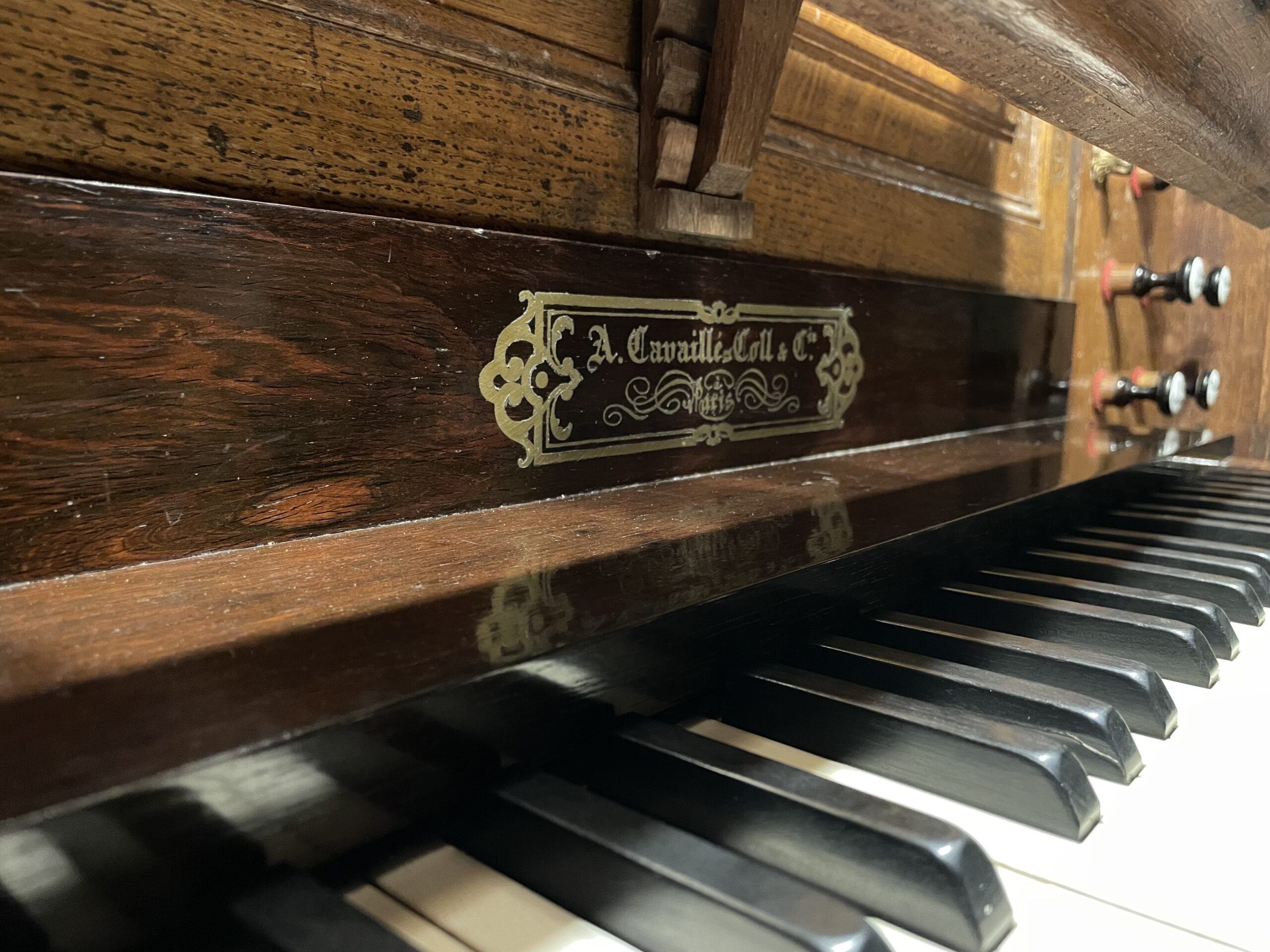
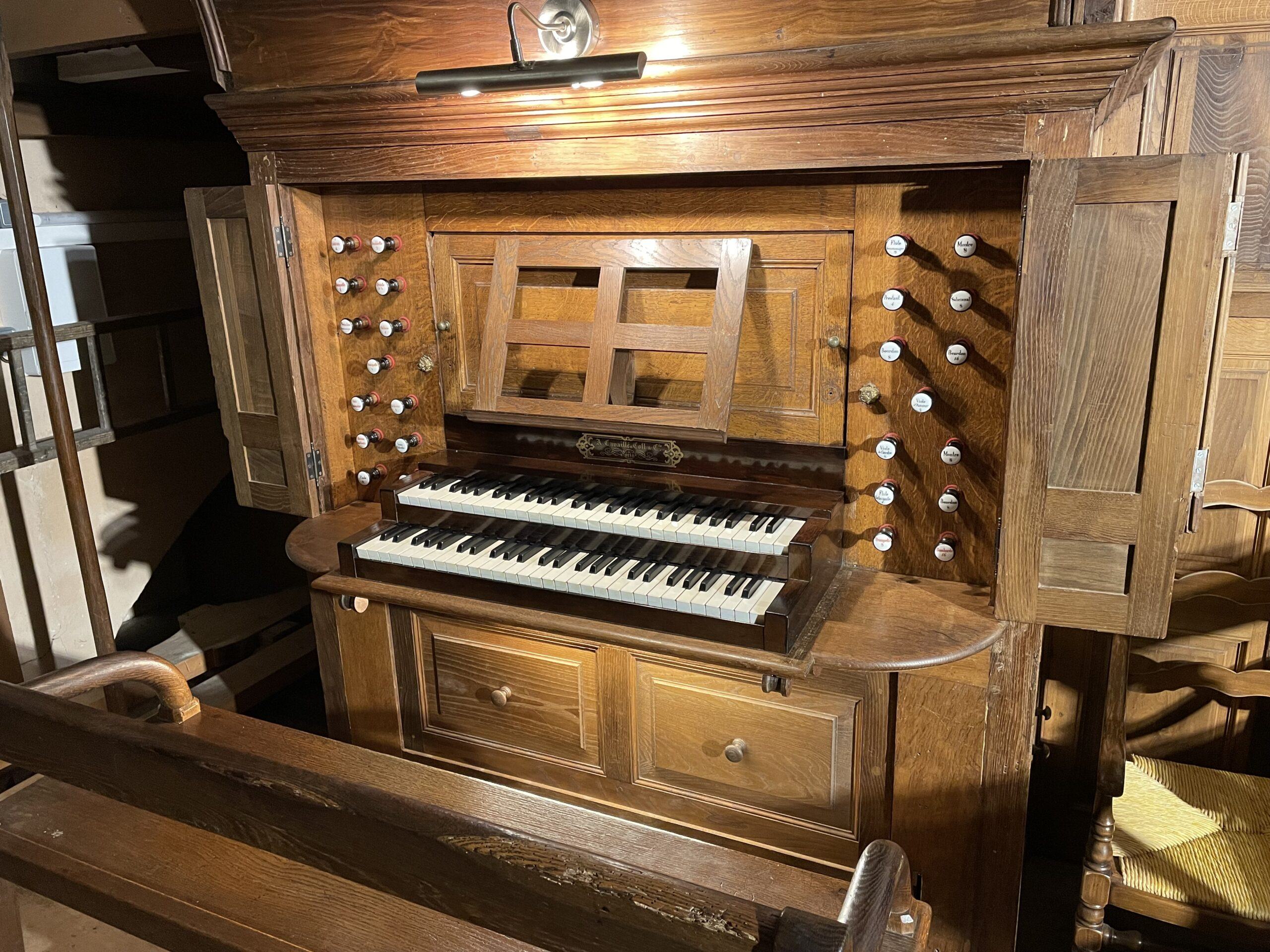
Cavaillé-Coll 1859, IIP/26

Information
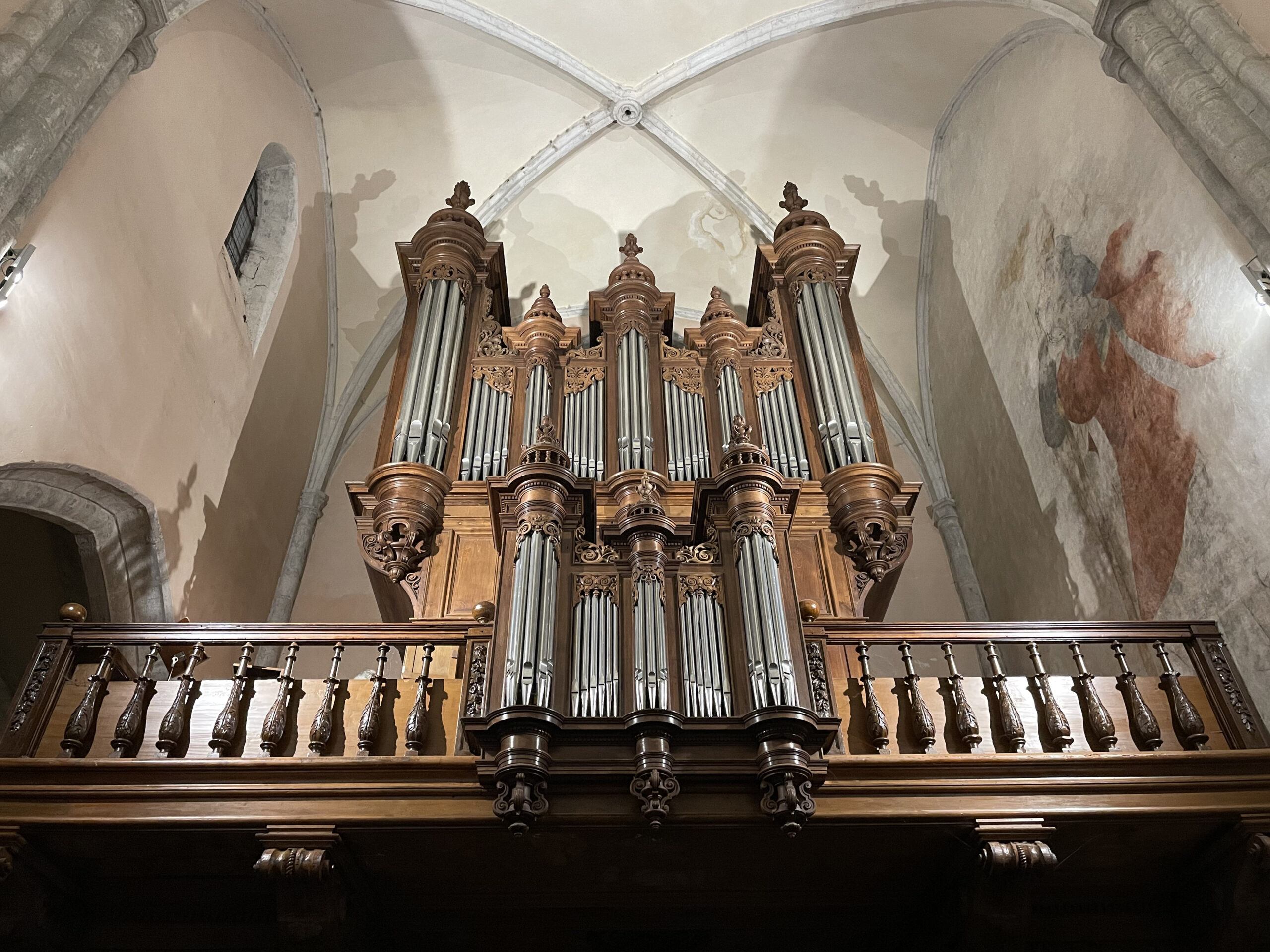
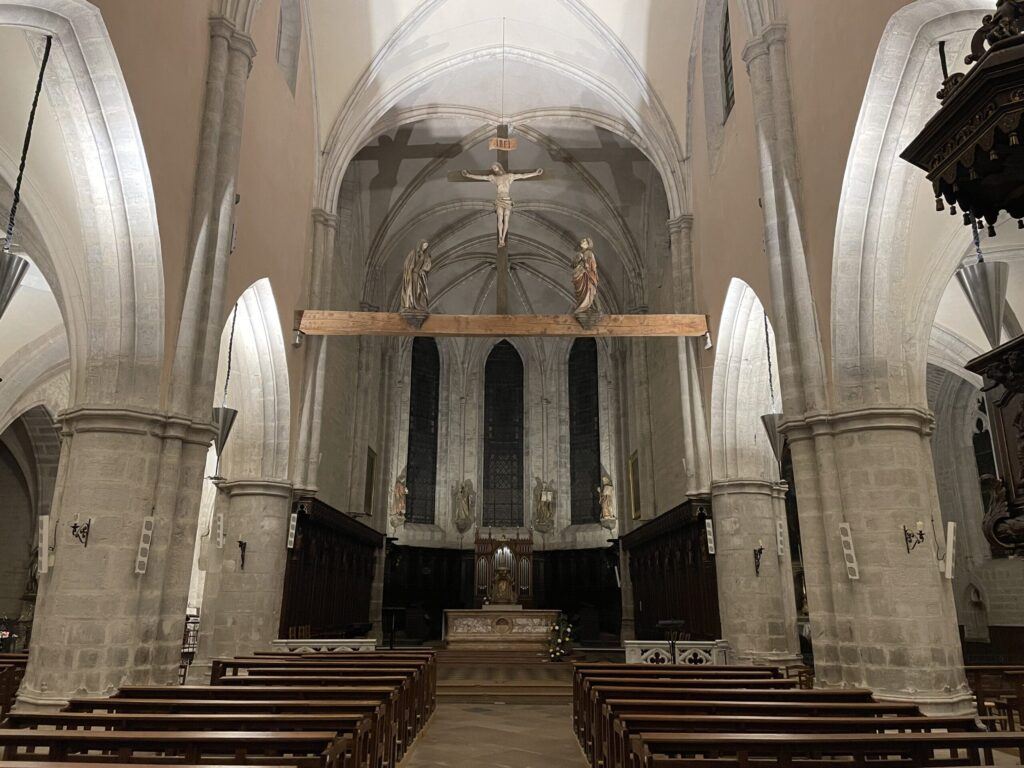
In 1854, the organ of the collegiate church of Saint-Hippolyte in Poligny was declared beyond repair. The church council decided that a new instrument should be commissioned as soon as possible, based on the improved systems available at the time. On March 7, 1858, the town council approved a subsidy of 8,000 francs for the church to support the project.
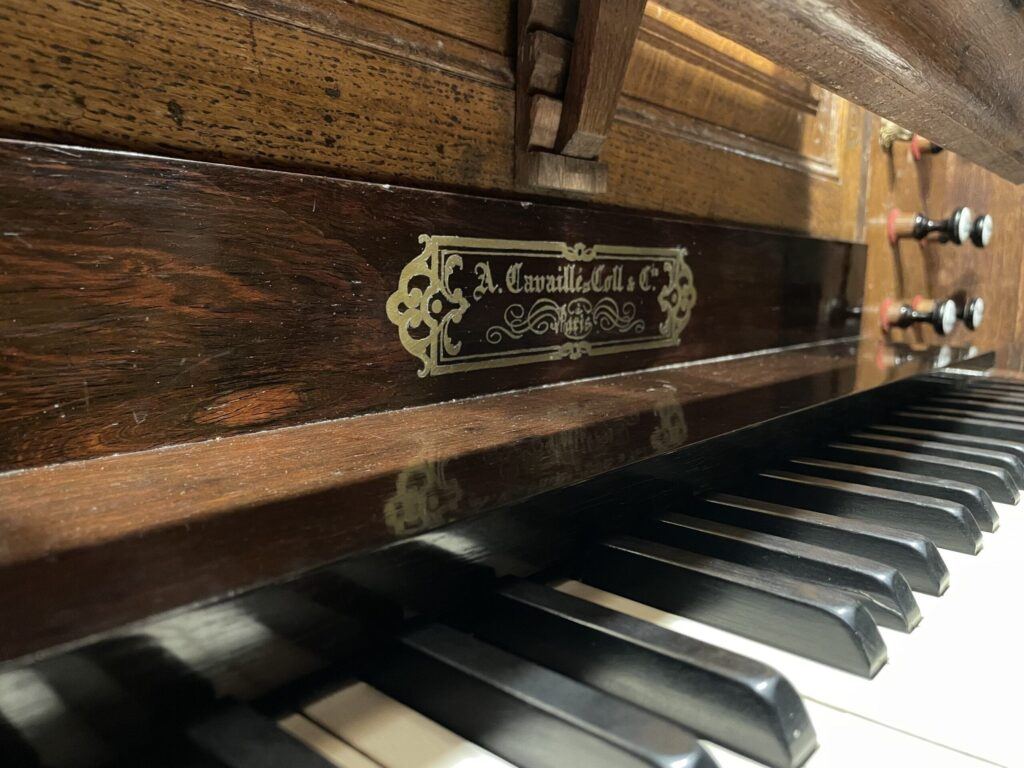
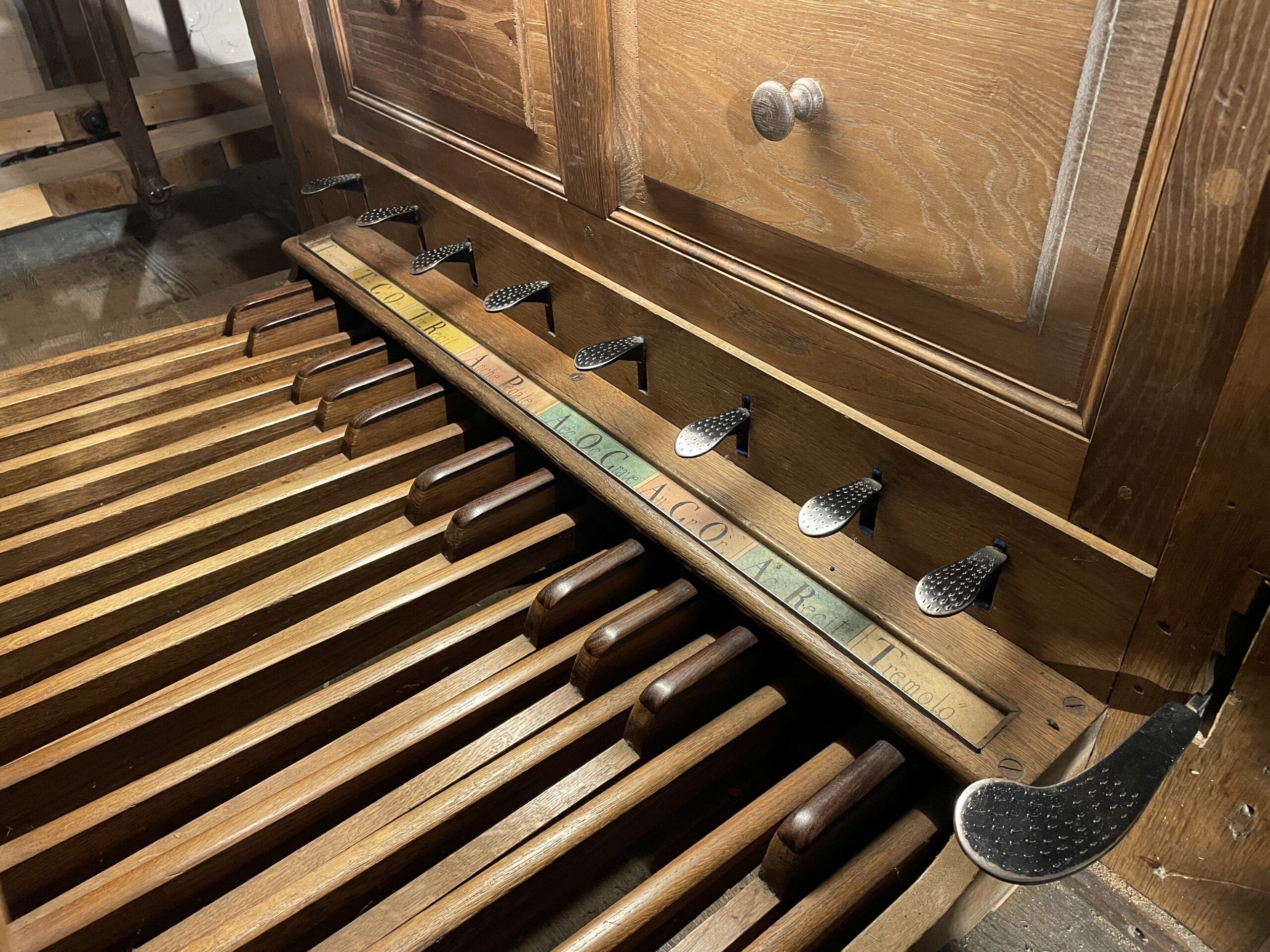
On July 13, Aristide Cavaillé-Coll — without having been formally invited — submitted a cost estimate for the construction of the new organ. How exactly he came to be involved remains a mystery, as he had never worked in the region before. The proposed instrument was to feature all the modern innovations of the day, including the combination pedals used by Cavaillé-Coll and a pneumatic machine similar to the Barker lever.
Cavaillé-Coll also suggested reusing an old organ case he had in his workshop: the 1687 case, still in use today, was originally built by Jean de Joyeuse for the Saint-Michel Cathedral in Carcassonne. Cavaillé-Coll had dismantled it when installing his own organ there. The case in Poligny is an exact 8-foot replica of the case from the Cathedral of Auch. The total cost of the instrument was estimated at 30,000 francs — 5,000 of which were for the case, about half the cost of a new organ. After some administrative delays, the organ was delivered, voiced on site by Félix Reinburg, and inaugurated on November 24, 1859, by the renowned Lefébure-Wély — a true Cavaillé-Coll masterpiece!
The Poligny organ is a contemporary of the instrument at Sainte-Clotilde in Paris — the very organ that inspired César Franck to compose his famous organ works. Listed as a historic monument, the Poligny organ was meticulously restored in 1990 by organ builder Dominique Lalmand and inaugurated by Michel Chapuis.
Bron: https://orguepoligny.weebly.com/
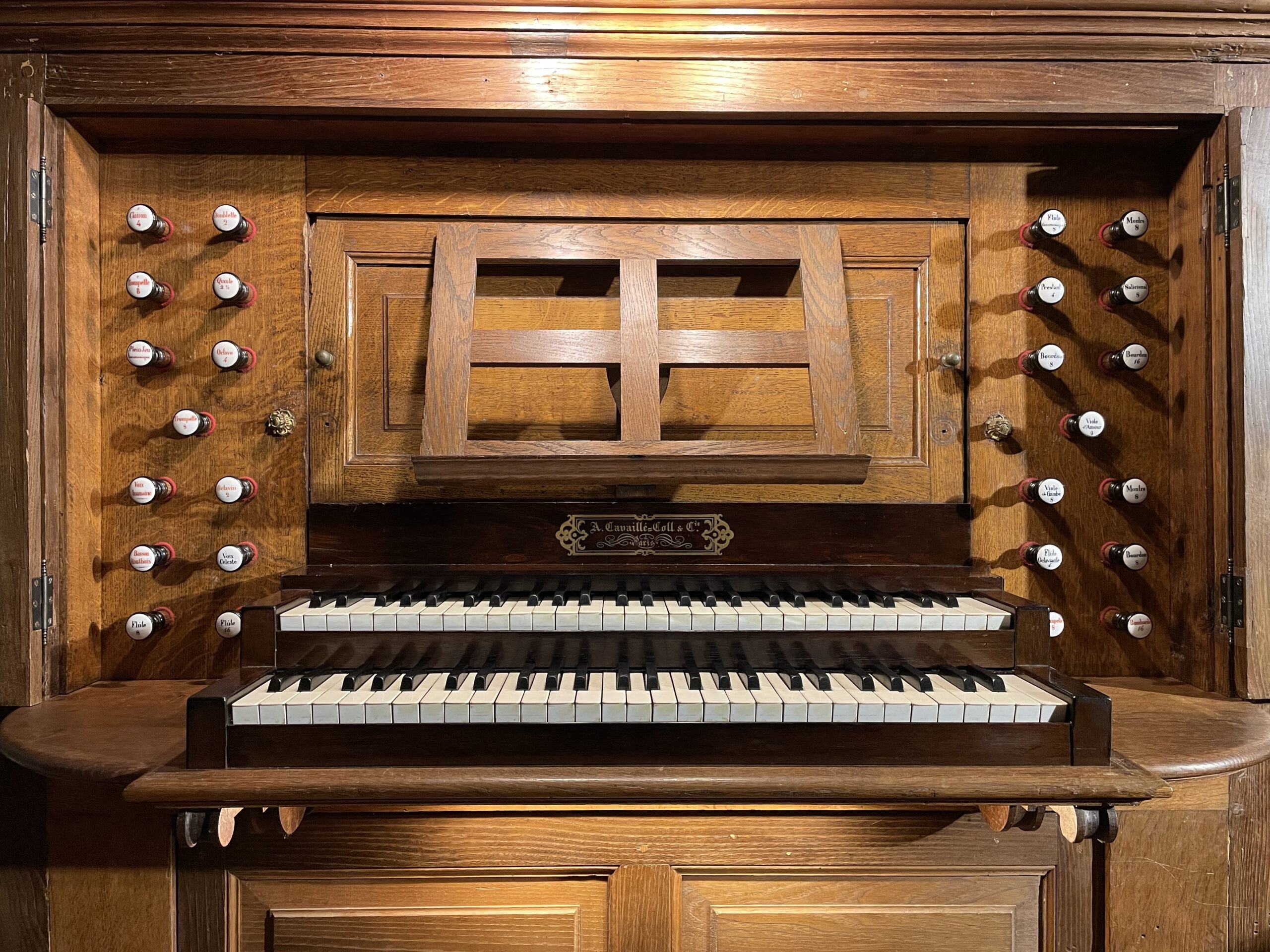
Grand-Orgue (C-f”’)
- Bourdon 16
- Montre 8
- Bourdon 8
- Salicional 8
- Flûte harmonique 8
- Prestant 4
- Octave 4
- Quinte 2 2/3
- Doublette 2
- Plein Jeu harmonique
- Trompette 8
- Clairon 4
- Acc. Récit/GO
- Octave grave au GO
Recit Expressif (C-f”’)
- Montre (hors de la boîte) 8
- Bourdon 8
- Viole de gambe 8
- Voix céleste 8
- Flûte octaviante 4
- Viole d’amour 4
- Octavin 2
- Trompette 8
- Basson Hautbois 8
- Voix humaine 8
- Tremblant
- (Recit and GO disc.)
Pedale (C-d’)
- Flûte 16
- Flûte 8
- Bombarde 16
- Trompette 8
- Tirasse GO
- Tirasse Récit